

Waking up with stiff, sore shoulders can quietly ruin your day before it even begins. If you often sleep on your side and notice nagging discomfort in the morning, your sleep position may be the hidden culprit. The good news is that a simple adjustment known as the viral side sleeper trick is helping many people reduce shoulder pain without medication or expensive gear.
This guide explains exactly why side sleep sometimes triggers shoulder pain, how the trending technique works, and how you can apply it safely tonight. You will also learn expert-backed tips, common mistakes to avoid, and when shoulder pain might need medical attention.
Table of Contents
Why Achy Shoulder Is So Common Among Side Sleepers
Side sleep is one of the most popular sleep positions worldwide. It supports spinal alignment and may help reduce snoring. However, it also places sustained pressure on one shoulder for several hours.
When you lie on your side, your body weight compresses:
- The shoulder joint
- Surrounding muscles
- Bursa (fluid-filled sacs)
- Rotator cuff tendons
Over time, this pressure can lead to inflammation, stiffness, or sharp morning pain.
What Happens Inside Your Shoulder Overnight
The shoulder is the body’s most mobile joint. That flexibility comes with less structural stability. During side sleep:
- Blood flow to compressed tissues may reduce
- Soft tissues can become irritated
- The rotator cuff may experience micro-strain
- Nerves can become mildly compressed
If your mattress or pillow does not support proper alignment, the stress increases significantly.
Signs Your Side Sleep Is Causing Shoulder Pain
You may not immediately connect your sleep posture with your discomfort. Watch for these common clues:
- Pain that is worse in the morning
- Relief after moving around for 15 to 30 minutes
- Tenderness when lying on one side
- Numbness or tingling down the arm
- Difficulty lifting the arm overhead
If these patterns sound familiar, adjusting your side sleep technique may help.
The Viral Side Sleeper Trick Explained
The viral side sleeper trick focuses on one simple principle: reduce direct pressure on the shoulder while keeping the spine neutral.
Instead of lying flat on your shoulder, the method slightly shifts your body angle and adds strategic pillow support. This distributes weight more evenly across your torso.
The Core Idea
Most people sleep at a full 90-degree side angle. The trick encourages sleeping at roughly a 25 to 40-degree tilt.
This small change can:
- Decrease shoulder compression
- Improve circulation
- Reduce rotator cuff strain
- Support better spinal alignment
How to Do the Side Sleeper Trick Tonight
Follow these steps carefully for the best results.
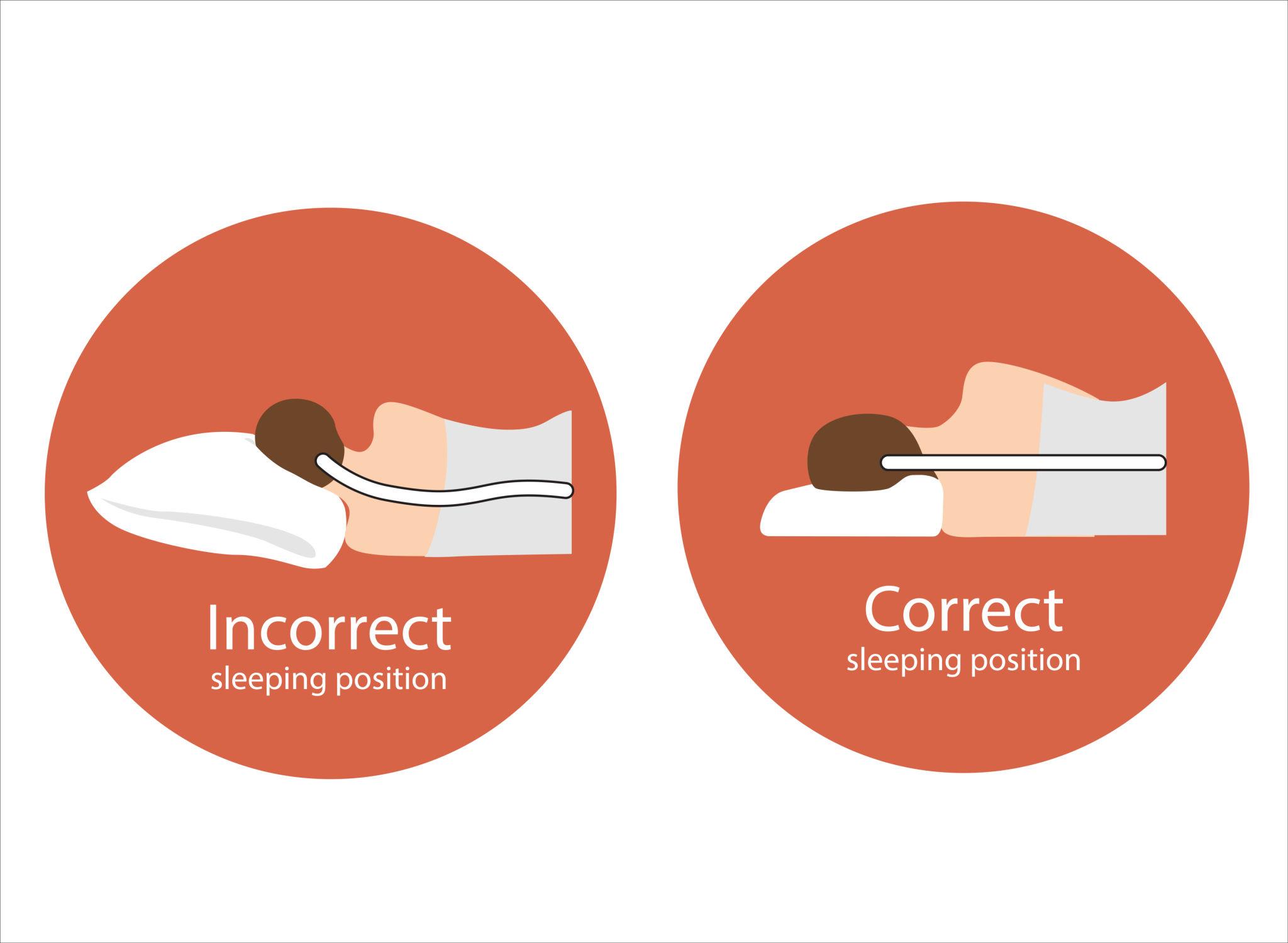
Step 1: Start With the Right Pillow Height
Your head pillow should keep your neck aligned with your spine. Too high or too flat will worsen shoulder pain.
Quick check:
When lying down, your nose should line up with the center of your chest.
Step 2: Slightly Roll Forward
Instead of lying directly on your shoulder:
- Lie on your side.
- Gently roll your torso forward by about 25 to 40 degrees.
- Keep hips stacked but not fully sideways.
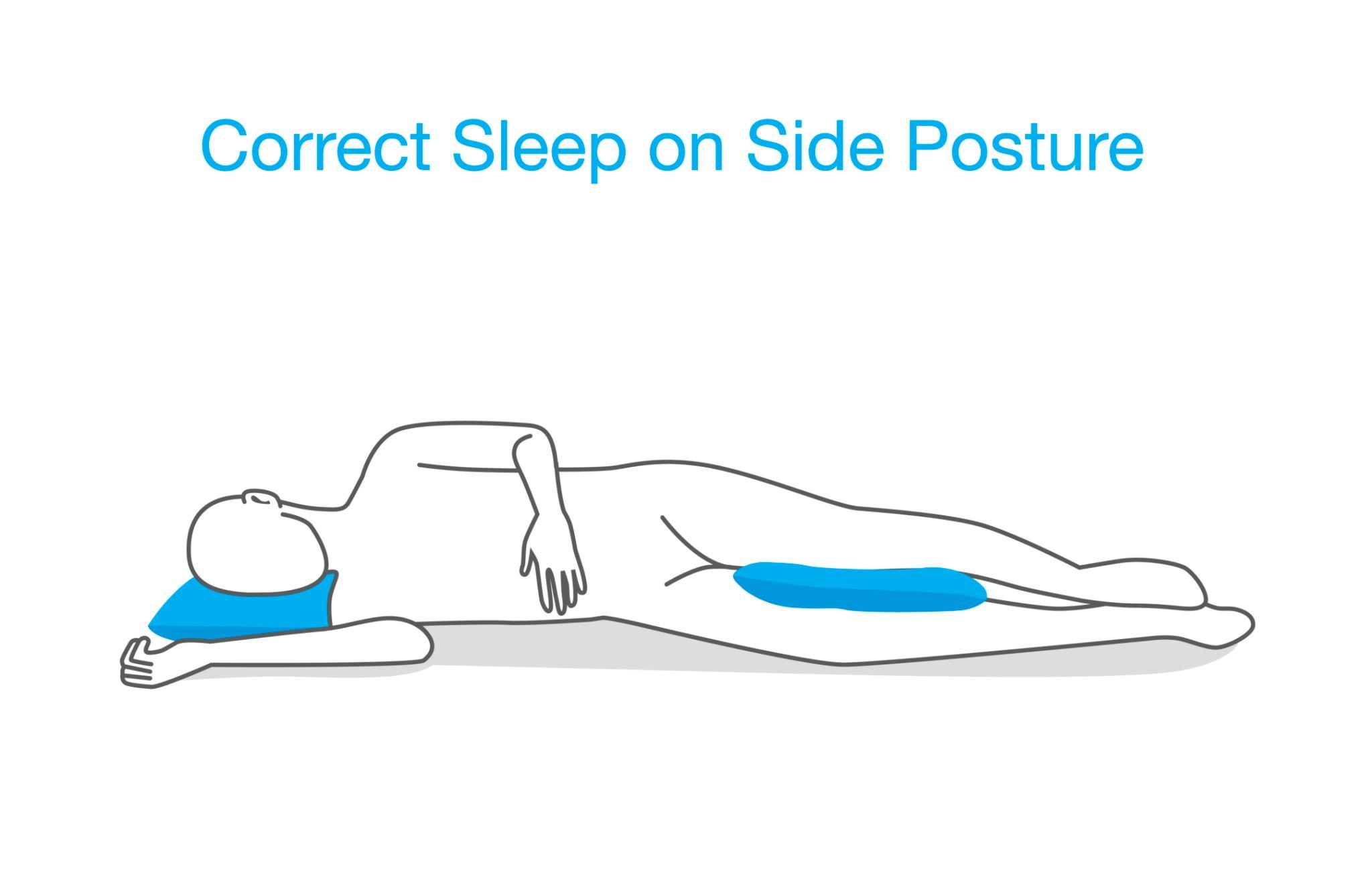
This creates a semi-side, semi-front position that reduces pressure on the shoulder joint.
Step 3: Hug a Support Pillow
This is the step many viral videos emphasize, and for good reason.
Place a medium pillow or body pillow in front of your chest and hug it. This helps:
- Support the top arm
- Prevent shoulder collapse
- Reduce chest rotation strain
- Keep the upper shoulder relaxed
Pro tip: Your top arm should rest fully on the pillow, not hang forward.
Step 4: Add a Small Back Support
To maintain the slight forward tilt, place a thin pillow or rolled towel behind your back. This prevents you from rolling flat onto your shoulder during sleep.
This small addition often makes the biggest difference for people with persistent shoulder pain.
Step 5: Support the Knees
Place a pillow between your knees to keep your hips aligned. While this step targets lower body alignment, it indirectly reduces upper body tension.
Your body works as one chain. When the hips twist, the shoulders often compensate.
Visual Guide to the Side Sleeper Setup
Proper Semi-Side Position
Why This Trick Works (Backed by Sleep Science)
Sleep specialists and physical therapists often recommend pressure redistribution for joint comfort. The viral trick aligns with established biomechanical principles.
Pressure Mapping Insights
Research using pressure-mapping mattresses shows that even small angle changes can significantly reduce peak pressure points around the shoulder.
When you shift slightly forward:
- Body weight spreads across the chest and rib cage
- Shoulder joint bears less load
- Soft tissue compression decreases
Rotator Cuff Protection
The rotator cuff tendons sit in a narrow space. Full side sleep can compress this area for hours.
The angled position helps maintain:
- Better subacromial space
- Less tendon friction
- Improved overnight recovery
Real-Life Experience: What Many Side Sleepers Notice
Many people who try this adjustment report improvements within one to two weeks. Common feedback includes:
- Less morning stiffness
- Easier arm movement
- Fewer nighttime wake-ups
- Reduced need to switch sides
However, results vary depending on mattress quality, existing injuries, and sleep habits.
Choosing the Best Pillow Setup for Shoulder Pain
Not all pillows work equally well for side sleep comfort.
Head Pillow Guidelines
Look for:
- Medium to firm support
- Height that fills the neck gap
- Breathable material
- Shape that maintains alignment
Memory foam and latex pillows often perform well for side sleepers.
Body Pillow Options
A good body pillow should:
- Be long enough to hug comfortably
- Maintain shape through the night
- Provide gentle resistance
- Not collapse under arm weight
Many side sleepers prefer U-shaped or straight body pillows.
Mattress Matters More Than You Think
Even the best side sleep technique cannot fully compensate for an unsupportive mattress.
Signs Your Mattress May Be Causing Shoulder Pain
- You feel pressure buildup under the shoulder
- You wake with numbness
- Your mattress feels overly firm
- You notice sagging in the middle
Ideal Mattress Feel for Side Sleepers
Most experts recommend a medium to medium-soft surface for people with shoulder pain. This allows the shoulder to sink slightly while still supporting the spine.
Common Mistakes That Worsen Shoulder Pain During Side Sleep
Many people unknowingly sabotage their sleep posture.
Mistake 1: Sleeping Directly on the Arm
Tucking your arm under your body compresses nerves and blood vessels. This often leads to numbness or tingling.
Fix: Keep the bottom arm slightly forward, not trapped underneath.
Mistake 2: Using a Pillow That Is Too Thin
A low pillow forces your neck to bend downward.
This creates:
- Neck strain
- Shoulder tension
- Poor spinal alignment
Mistake 3: Letting the Top Shoulder Collapse Forward
Without support, the upper shoulder pulls the chest downward and strains the rotator cuff.
Fix: Always support the top arm with a pillow.
Mistake 4: Sleeping on an Extremely Firm Mattress
Very firm surfaces create sharp pressure points at the shoulder.
Side sleepers typically need more cushioning than back sleepers.
Additional Stretches to Reduce Shoulder Pain Before Bed
Combining the side sleeper trick with gentle mobility work can improve results.
Simple Doorway Chest Stretch
- Stand in a doorway.
- Place forearms on the frame.
- Step forward gently.
- Hold for 20 to 30 seconds.
This opens the chest and reduces forward shoulder tension.
Cross-Body Shoulder Stretch
- Bring one arm across your chest.
- Use the opposite hand to gently pull it closer.
- Hold for 20 seconds.
Avoid forcing the stretch. Mild tension is enough.
When Shoulder Pain During Side Sleep May Signal a Bigger Issue
While posture plays a major role, persistent shoulder pain can sometimes indicate underlying conditions.
Watch for These Warning Signs
- Pain that does not improve with position changes
- Significant weakness in the arm
- Sharp pain during movement
- Night pain that wakes you repeatedly
- History of shoulder injury
Possible causes may include:
- Rotator cuff tendinitis
- Shoulder bursitis
- Frozen shoulder
- Impingement syndrome
- Arthritis
If symptoms persist beyond two to three weeks, consult a healthcare professional.
Who Should Be Cautious With the Viral Trick
The technique is generally safe, but some people should modify carefully.
Use Extra Care If You Have:
- Recent shoulder surgery
- Severe rotator cuff tears
- Advanced arthritis
- Nerve compression disorders
- Chronic numbness
In these cases, personalized guidance from a physiotherapist is wise.
How Long Before You Notice Improvement?
Sleep posture changes are not always instant fixes.
Typical Adjustment Timeline
- First few nights: Position may feel unfamiliar
- Week 1: Mild reduction in stiffness
- Week 2 to 3: Noticeable comfort improvement
- One month: Consistent relief for many people
Consistency matters more than perfection.
Building a Shoulder-Friendly Night Routine
Small habits before bed can support better shoulder health.
Helpful Night Habits
- Avoid long periods of phone use in bed
- Do light shoulder mobility work
- Use a supportive mattress and pillow
- Keep the room comfortably cool
- Maintain regular sleep timing
These steps improve sleep quality and reduce muscle tension.
Frequently Asked Questions
Is side sleep bad for shoulder pain?
Not necessarily. Side sleep can be comfortable if your shoulder is properly supported and pressure is distributed. Poor positioning is usually the real issue.
Should I stop side sleeping completely?
Most people do not need to. Adjusting your angle and pillow setup often solves the problem without changing your preferred sleep position.
Is a body pillow really necessary?
While not mandatory, many side sleepers find it dramatically improves comfort and alignment.
Can this trick help with neck pain too?
Often, yes. Proper side sleep alignment supports both the neck and shoulders.
What if both shoulders hurt?
Alternate sides during the night and focus on reducing pressure on whichever shoulder feels more sensitive.
Conclusion:
Morning shoulder pain can feel frustrating, especially when it keeps returning night after night. The encouraging news is that many cases improve with simple, thoughtful changes to side sleep posture.
The viral side sleeper trick works because it respects basic body mechanics. By slightly shifting your angle, supporting your arms, and improving alignment, you reduce unnecessary strain on the shoulder joint.
Start with small adjustments tonight. Give your body a couple of weeks to adapt. If your shoulder pain continues despite good sleep habits, seek professional guidance to rule out underlying issues.
A comfortable night of side sleep is absolutely possible with the right setup and a bit of patience.