

Hair oiling has remained one of the most trusted hair care practices across cultures for centuries. From traditional Ayurvedic treatments to modern scalp-care routines, people continue to rely on oils to nourish the hair and scalp, reduce dryness, and improve manageability.
Yet one question comes up repeatedly:
What is the best time to oil hair for growth?
The answer is not as simple as choosing morning or night. Timing affects how well your scalp absorbs oil, how comfortable the experience feels, and whether you get the benefits without unwanted scalp issues.
Many people assume leaving oil on overnight automatically produces better results. Others believe a quick oil massage before washing is enough. In reality, the ideal timing depends on your scalp type, hair texture, lifestyle, and the specific oil you use.
In this detailed guide, you’ll learn:
- The best time to oil hair for growth
- Morning vs overnight hair oiling
- How long should you leave oil in hair
- Potential overnight oiling scalp issues
- The best hair oiling routine for different hair types
- Common mistakes that may slow progress
- Expert-backed tips for healthier, stronger-looking hair
Let’s explore what actually works.
Table of Contents
Why Hair Oiling Matters
Before discussing timing, it’s important to understand what hair oiling can and cannot do.
Hair oils do not magically create new hair follicles. However, they can support a healthier scalp environment, protect the hair shaft, reduce breakage, and improve hair condition. Since breakage often makes hair appear thinner and shorter, minimizing damage can help hair retain length over time.
Benefits of proper hair oiling include:
- Reduced hair dryness
- Improved scalp moisture balance
- Less friction between hair strands
- Better hair shine
- Reduced split ends
- Easier detangling
- Enhanced scalp massage benefits
Certain oils also contain compounds that may support scalp health and strengthen hair fibers.
For example:
- Coconut oil helps reduce protein loss in hair.
- Rosemary oil has gained attention for supporting hair growth when used correctly.
- Argan oil helps control dryness and frizz.
- Jojoba oil closely resembles the scalp’s natural sebum.
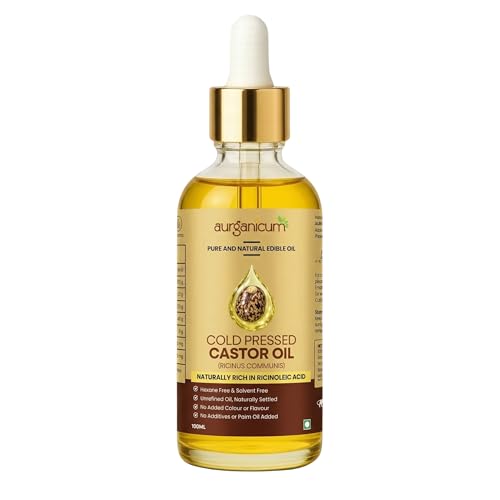
- Castor oil is often used to improve hair softness and appearance.
However, timing remains a key factor in maximizing these benefits.
What Is the Best Time to Oil Your Hair for Growth?
The best time to oil hair for growth is typically 1 to 4 hours before washing your hair.
This window gives the scalp and hair enough time to benefit from the oil without creating excessive buildup.
For most people, applying oil before a shampoo session offers the ideal balance between nourishment and cleanliness.
Why 1 to 4 Hours Works Best
When oil sits on the scalp for a few hours:
- Hair strands receive lubrication
- The scalp gets a relaxing massage
- Oil can coat and protect hair fibers
- Hair becomes easier to wash and detangle
- The risk of clogged follicles decreases
Leaving oil for extremely long periods does not necessarily increase benefits.
In many cases, moderation produces better results than excess exposure.
Does Timing Really Affect Hair Growth?
Indirectly, yes.
Healthy hair growth depends on factors such as:
- Genetics
- Nutrition
- Hormonal balance
- Overall health
- Scalp condition
Hair oils cannot change genetics, but they can support a healthier scalp environment.
If timed correctly, oiling may help:
- Minimize breakage
- Reduce dryness-related shedding
- Improve scalp comfort
- Encourage consistent scalp massage
These factors contribute to stronger, fuller-looking hair over time.


Morning vs Overnight Hair Oiling
One of the biggest debates in hair care involves morning vs overnight hair oiling.
Let’s compare both methods.
Morning Hair Oiling
Morning oiling usually involves applying oil a few hours before shampooing.
Advantages
Easier Scalp Maintenance
Oil does not remain on the scalp for an excessively long time.
This reduces the likelihood of:
- Product buildup
- Dust collection
- Excess scalp oiliness
Lower Risk of Irritation
Sensitive scalps often respond better to shorter oil exposure.
More Consistent Washing Routine
People who oil during the day are more likely to wash thoroughly afterward.
Better for Oily Scalps
If your scalp becomes greasy quickly, morning oiling often works best.
Potential Drawbacks
- Requires time before washing
- Not always convenient on busy mornings
- Less practical for some work schedules
Overnight Hair Oiling
Overnight oiling means applying oil before bed and washing it out the next day.
This method remains popular in many households.
Advantages
Extra Convenience
You can sleep while the oil remains on the hair.
Soft Hair Texture
Many people notice smoother, softer hair after overnight treatments.
Extended Scalp Massage Benefits
A relaxing pre-bed massage can relieve tension and support overall scalp comfort.
Potential Drawbacks
Overnight oiling is not perfect.
Leaving oil on the scalp for extended periods can sometimes create problems.
Common overnight oiling scalp issues include:
- Excess oil buildup
- Clogged scalp pores
- Increased dandruff in susceptible individuals
- Scalp irritation
- Attraction of dust and debris
- Pillow contamination
Some people also experience itching when oil remains on the scalp for too long.
Which Is Better: Morning or Overnight Oiling?
For most people, short-duration pre-wash oiling is more effective and practical than overnight oiling.
Overnight oiling may work for:
- Very dry scalps
- Extremely dry hair
- Thick, coarse hair textures
However, people with oily scalps or dandruff-prone skin often achieve better results with daytime oiling.
In the debate of morning vs overnight hair oiling, there is no universal winner.
The best choice depends on your scalp needs.
How Long Should You Leave Oil in Hair?
Another common question is:
How long should you leave oil in hair?
The ideal duration depends on your hair type and scalp condition.
Recommendation
Most experts and hair professionals recommend:
1 to 4 hours before washing
This timeframe allows sufficient conditioning without creating excessive buildup.
For Dry Hair
If your hair is extremely dry:
- Leave oil for 4 to 8 hours
- Wash thoroughly afterward
Dry hair typically benefits from longer exposure.
For Oily Hair
If your scalp naturally produces excess sebum:
- Limit oiling to 30 minutes to 2 hours
Long sessions may leave the scalp feeling heavier and greasier.If your scalp naturally produces excess sebum:
- Limit oiling to 30 minutes to 2 hours
Long sessions may leave the scalp feeling heavier and greasier.
For Curly Hair
Curly and coily textures often need more moisture.
Consider:
- 2 to 6 hours before washing
This helps improve softness and manageability.
For Fine Hair
Fine hair becomes weighed down more easily.
Try:
- 1 to 2 hours
This provides conditioning without excess heaviness.
Is Leaving Oil Longer Always Better?
No. More time does not automatically equal more benefits.
Hair can absorb only a limited amount of conditioning support from oil.
After a certain point, you’re mostly increasing the chance of buildup instead of improving results.
Understanding Overnight Oiling Scalp Issues
The internet often presents overnight oiling as a miracle treatment. Unfortunately, reality is more nuanced.
Let’s examine common overnight oiling scalp issues.
Excessive Buildup:
Oil can mix with:
- Dead skin cells
- Sweat
- Environmental debris
- Styling products
This buildup may leave the scalp feeling congested.
Increased Itching
Some individuals notice itching after prolonged oil exposure.
This may occur due to:
- Product sensitivity
- Occlusion of the scalp
- Inadequate cleansing afterward
Greasy Hair Appearance
A heavily oiled scalp often requires multiple washes.
This can become frustrating, especially for fine-haired individuals.
Dandruff Flare-Ups
People frequently assume oil treats dandruff.
However, certain scalp conditions may worsen with excessive oil.
If you have persistent flakes or irritation, consult a dermatologist instead of increasing oil treatments.
Follicle Stress
While oil doesn’t directly clog hair follicles in every person, heavy and repeated applications can contribute to an unhealthy scalp environment in some cases. Balance is essential.
The Best Hair Oiling Routine for Growth
A consistent routine matters more than leaving oil on overnight.
Here’s a practical and effective best hair oiling routine for most people.
Step 1: Choose the Right Oil
Different oils serve different purposes.
Coconut Oil
Best for:
- Dry hair
- Protein protection
- Pre-wash treatments
Rosemary Oil (Diluted)
Best for:
- Scalp care
- Hair growth support
Always dilute essential oils before use.
Argan Oil
Best for:
- Frizz control
- Shine
- Lightweight nourishment
Jojoba Oil
Best for:
- Sensitive scalps
- Oily scalp types
Castor Oil
Best for:
- Thick conditioning
- Dry hair ends
Step 2: Use a Small Amount
More oil does not equal better results.
Start with:
- 1 to 2 teaspoons for short hair
- 2 to 3 teaspoons for medium hair
- Slightly more for long, thick hair
The scalp should feel nourished, not soaked.
Step 3: Massage the Scalp
Use your fingertips.
Massage gently for:
- 5 to 10 minutes
Benefits include:
- Improved circulation
- Stress reduction
- Better product distribution
Avoid aggressive rubbing.
Step 4: Focus on Hair Lengths
Apply remaining oil to:
- Mid-lengths
- Ends
These areas often need the most protection.
Step 5: Leave It for 1 to 4 Hours
This is the sweet spot for most individuals.
Step 6: Shampoo Thoroughly
Use a suitable shampoo to remove excess oil.
Double cleansing may be helpful when needed.
Step 7: Repeat Consistently
For most people:
Dry Hair
2 to 3 times weekly
Normal Hair
1 to 2 times weekly
Oily Hair
Once weekly
Consistency matters more than intensity.
Best Oils for Different Hair Types
Dry and Damaged Hair
Recommended oils:
- Coconut oil
- Olive oil
- Avocado oil
These provide lasting softness and protection.
Oily Hair
Recommended oils:
- Jojoba oil
- Grapeseed oil
These feel lighter on the scalp.
Curly Hair
Recommended oils:
- Castor oil
- Coconut oil
- Argan oil
These help reduce dryness and improve curl definition.
Fine Hair
Recommended oils:
- Argan oil
- Jojoba oil
Heavy oils may flatten fine strands.
Common Hair Oiling Mistakes
Even a good routine can fail if mistakes become habitual.
Using Too Much Oil
Oversaturating hair creates buildup and makes cleansing harder.
Less is often more.
Oiling a Dirty Scalp
Applying oil over layers of sweat and product residue may reduce effectiveness.
Start with a relatively clean scalp.
Scratching During Massage
Aggressive nail use can irritate the scalp.
Always massage with fingertips.
Leaving Oil for Several Days
A multi-day oil treatment rarely offers additional benefits.
Regular washing remains important.
Expecting Instant Growth
Hair growth takes time.
Consistent scalp care supports healthier hair over weeks and months rather than days.
Does Hair Growth Improve With Scalp Massage?
Scalp massage deserves attention because it often accompanies oiling.
Regular massage may help:
- Relax scalp muscles
- Improve blood flow
- Encourage healthy scalp habits
Many people notice:
- Reduced tension
- Better scalp comfort
- Greater awareness of scalp health
A massage routine combined with proper oiling can be a valuable addition to overall hair care.
Should You Oil Hair Before or After Washing?
For most people, oiling before washing works best.
Pre-wash oiling:
- Protects hair during cleansing
- Reduces dryness
- Improves softness
Post-wash oiling should be minimal.
A few drops on damp hair can help control frizz and add shine.
Avoid heavily oiling freshly washed roots.
Seasonal Hair Oiling Tips
Summer
Because heat and sweat increase oil production:
- Use lighter oils
- Reduce frequency if necessary
Monsoon or Humid Weather
Humidity may worsen buildup.
Choose lighter applications and cleanse thoroughly.
Winter
Dry air often causes scalp tightness and brittle hair.
Increase conditioning support with:
- Coconut oil
- Argan oil
- Olive oil
Longer pre-wash treatments may also help.
How Often Should You Oil Hair for Growth?
Frequency matters just as much as timing.
Dry Hair
2 to 3 times per week
Normal Hair
1 to 2 times per week
Oily Hair
Once per week
Curly Hair
1 to 3 times per week depending on moisture needs
Consistency helps create sustainable results.
What Science Says About Hair Growth and Oils
Hair oils primarily support the environment in which hair grows.
Research surrounding certain oils, especially rosemary oil and coconut oil, shows promising effects related to scalp health and hair protection.
However, oils are not miracle cures.
True hair growth depends on multiple factors, including:
- Nutrition
- Hormones
- Genetics
- Medical conditions
- Stress management
- Scalp health
The most realistic expectation is stronger, healthier-looking hair with reduced breakage and better retention of length over time.
Signs Your Hair Oiling Routine Is Working
You may notice:
- Softer texture
- Better shine
- Less frizz
- Reduced tangling
- Fewer split ends
- Improved scalp comfort
- Healthier-looking hair over several months
Healthy hair improvements usually appear gradually.
Patience is essential.
Frequently Asked Questions
What is the best time to oil hair for growth?
The best time to oil hair for growth is usually 1 to 4 hours before washing your hair. This gives hair enough conditioning benefits without causing excessive buildup.
Is overnight oiling better for hair growth?
Not necessarily. Overnight oiling may help very dry hair, but longer exposure does not automatically improve growth. Many people achieve excellent results with shorter pre-wash treatments.
How long should you leave oil in hair?
For most hair types, leave oil in for 1 to 4 hours. Dry hair may benefit from slightly longer periods, while oily scalps typically do better with shorter sessions.
Can overnight oiling cause scalp issues?
Yes. Common overnight oiling scalp issues include buildup, itching, excess greasiness, and irritation in sensitive individuals.
What is the best hair oiling routine?
The best hair oiling routine involves applying a small amount of suitable oil, massaging the scalp for 5 to 10 minutes, leaving it on for a few hours, and then washing thoroughly.
Conclusion:
Finding the best time to oil hair for growth is less about following trends and more about understanding your scalp’s needs. For most people, applying oil 1 to 4 hours before shampooing delivers the ideal balance of nourishment, convenience, and scalp health.
While the debate around morning vs overnight hair oiling continues, longer is not always better. In fact, excessive overnight treatments can contribute to buildup and other overnight oiling scalp issues. A consistent, balanced approach usually produces better results.
If you’re aiming for healthier, fuller-looking hair, focus on a sustainable best hair oiling routine, choose oils suited to your hair type, massage gently, and maintain realistic expectations. Healthy hair growth is a long-term process, but smart oiling habits can play an important supporting role in that journey.