
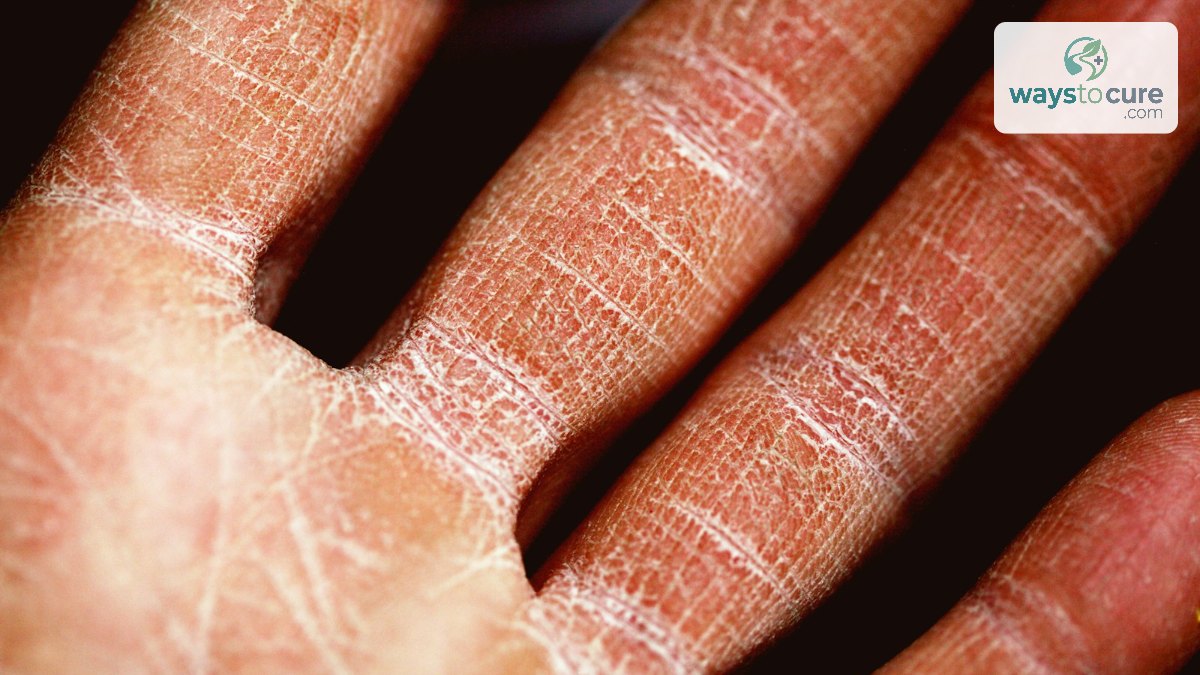
Most everyday skin problems in India fall into a handful of groups: fungal infections like ringworm, eczema, scabies, acne, pigmentation such as melasma, and hives. You can often tell them apart by where the rash sits, whether it itches, and who else at home has it, and the right first step is different for each.
That last point matters. A steroid cream that settles eczema can make ringworm much worse, and a scabies cream does nothing for hives. Here’s how to recognise the common ones, what to try first, and when to stop guessing and see a dermatologist.
Quick guide: which rash is it likely to be?
| Condition | What it looks like | Common places | Itch? | Sensible first step |
|---|---|---|---|---|
| Fungal infection (ringworm, tinea) | Ring-shaped patch with a raised, scaly edge | Groin, waist, buttocks, under the breasts, between toes | Yes, often intense | Plain antifungal cream; no steroid mixes |
| Eczema (atopic dermatitis) | Dry, itchy, cracked or thickened skin; on brown skin it may look darker or lighter than the skin around it | Elbow and knee creases, hands, face, neck | Yes | Moisturiser at least twice a day; avoid triggers |
| Scabies | Small raised spots, sometimes tiny lines with a dot at one end; can be hard to see on brown skin | Between fingers, wrists, armpits, waist, groin, buttocks | Yes, worse at night | Whole-body treatment for everyone at home at the same time |
| Acne | Blackheads, whiteheads, red bumps, deeper painful lumps | Face, chest, upper back | Usually not | Gentle wash twice daily; pharmacy benzoyl peroxide; don’t squeeze |
| Melasma (pigmentation) | Flat brown or grey-brown patches | Cheeks, forehead, upper lip, nose | No | Daily broad-spectrum sunscreen; see a dermatologist for creams |
| Hives (urticaria) | Raised itchy welts that come and go, often within hours | Anywhere | Yes | Antihistamine from a pharmacist; emergency if lips or throat swell |
This table is a starting point, not a diagnosis. Psoriasis, vitiligo and other conditions can look similar, and two problems can exist together.
Fungal infections
Fungal skin infections thrive in heat, sweat and tight clothes, which is why they’re so common across India. Ringworm (daad) usually starts as an itchy ring that slowly grows outward.
Treatment is an antifungal cream such as clotrimazole, miconazole, terbinafine or ketoconazole, usually applied for 2 to 4 weeks and continued even after the itch settles. The CDC advises against steroid creams for ringworm or for any rash that hasn’t been diagnosed, because they can make the infection worse. Scalp ringworm needs prescription tablets.
Keep skin folds dry, wear loose cotton, and don’t share towels. If the same patch keeps returning, read our post on ringworm home care and antifungal creams, and see a doctor.
Eczema
Atopic eczema makes skin itchy, dry and sometimes cracked, crusty or thickened. It often starts in childhood and tends to flare and settle. The NHS lists common triggers, including soap, washing detergent, some fabrics, dust mites, pollen, heat, stress and skin infections.
The base of treatment is moisturiser (emollient), used at least twice a day and kept up even when skin looks good. The NHS also suggests washing with an emollient instead of soap. Doctors may prescribe steroid creams for flares; use them exactly as prescribed. Indian winters dry skin out, so our guide to body lotions for dry winter skin may help you choose a moisturiser. For more on causes and prevention, see our eczema symptoms guide.
Scabies
Scabies is caused by tiny mites that burrow into the skin. The giveaway is intense itching that’s worse at night, often with a rash between the fingers. It spreads through close skin contact, so several people in the same house often itch at once.
The NHS advice is specific:
- A cream or lotion is applied over the whole body, including the scalp and face but not around the eyes, and repeated 7 days later.
- Everyone at home is treated at the same time, even those without symptoms.
- Bedding and clothing are washed at 60°C or higher, ideally on the first day of treatment.
- Children under 2 need to see a doctor rather than use pharmacy treatment.
- Itching can carry on for a few weeks after successful treatment. See a doctor if it lasts beyond 2 to 4 weeks after finishing.
Ask your doctor or pharmacist which product to use and how. Treating one person at a time is the most common reason scabies “doesn’t go away”.
Acne
Acne shows up as blackheads, whiteheads, red spots and sometimes deep, painful lumps on the face, chest and back. Hormones play a big part, which is why it peaks in the teens and can flare around periods or in pregnancy.
The NHS suggests washing twice a day with a gentle cleanser, using non-comedogenic products, removing make-up at night, and not picking or squeezing spots, which can scar. Pharmacy creams with benzoyl peroxide or salicylic acid help mild acne. Deeper or scarring acne needs a doctor.
Pigmentation and melasma
Melasma causes brown patches on the cheeks, forehead and upper lip. The American Academy of Dermatology says sunlight, pregnancy, birth control pills and even stress can trigger it. Daily broad-spectrum sunscreen of SPF 30 or more is the first step, with a wide-brimmed hat. Dermatologists often recommend sunscreens containing zinc oxide, titanium dioxide or iron oxide.
Prescription creams can lighten melasma, but results usually take 3 to 12 months and patches can come back without sun protection. White patches are a different story; if you notice those, read about vitiligo causes and treatments.
Hives
Hives (urticaria) are raised, itchy welts that can appear anywhere and change shape or move within hours. The NHS says they usually get better within a few days. Triggers include certain foods, medicines, insect bites, heat, sweating, pressure from tight clothing and infections. A pharmacist can advise on an antihistamine. See a doctor if hives last more than 2 days, keep returning, or come with fever.
The steroid cream trap
One mistake crosses all these conditions: rubbing strong steroid creams on the face or body without a diagnosis. In a study of 2,926 patients with facial skin problems across 12 Indian dermatology clinics, 14.8% were using topical steroids, most often as a fairness cream or for acne, and 90.5% of users had side effects, with acne or worsened acne the most common (Indian Journal of Dermatology, Venereology and Leprology). Many were recommended by people who weren’t doctors.
Steroids have real uses, but they should come from a doctor who has seen the rash, for a set number of days.
When to see a doctor
See a dermatologist if:
- a rash hasn’t improved after 2 weeks of sensible home care
- it keeps coming back, or several people at home have it
- you’ve used steroid or “itch” creams and the rash has spread or changed
- skin is blistered, crusted, oozing, hot, swollen or painful, or you have a fever, which can signal infection (the NHS lists these as reasons to see a doctor urgently in eczema)
- a mole or spot is changing in size, shape or colour, bleeds, or doesn’t heal
- acne is leaving scars or affecting your mood
- a baby or young child has a widespread rash
Call 112 straight away if a rash or hives come with swelling of the lips, mouth, tongue or throat, fast or difficult breathing, a tight throat, or feeling faint or confused. The NHS lists these as signs of a serious allergic reaction.
Frequently asked questions
How do I know if a rash is fungal or eczema?
Fungal rashes tend to be ring-shaped with a clearer centre and an active, scaly edge, often in sweaty folds. Eczema is usually patchy and dry, without a defined ring, and favours skin creases. When in doubt, a dermatologist can confirm with a quick skin scraping test.
Can I use a steroid cream on any itchy rash?
No. Steroids can worsen fungal infections and cause acne, thinning and stretch marks if misused. Use one only when a doctor has diagnosed the rash.
Why does my whole family itch at night?
Scabies is a common cause. Everyone at home needs to be treated at the same time, and bedding washed hot, or it keeps passing back and forth.
Does sunscreen really help pigmentation?
Yes. Sun exposure is a major trigger for melasma, and daily broad-spectrum SPF 30 or higher helps treatment work and stops patches returning.
Are hives contagious?
No. Hives are a reaction in your own skin and can’t be passed to others. Finding and avoiding the trigger helps.
This article is for general information and is not a substitute for advice from a doctor. If you have symptoms or a health condition, please consult a qualified healthcare professional.