
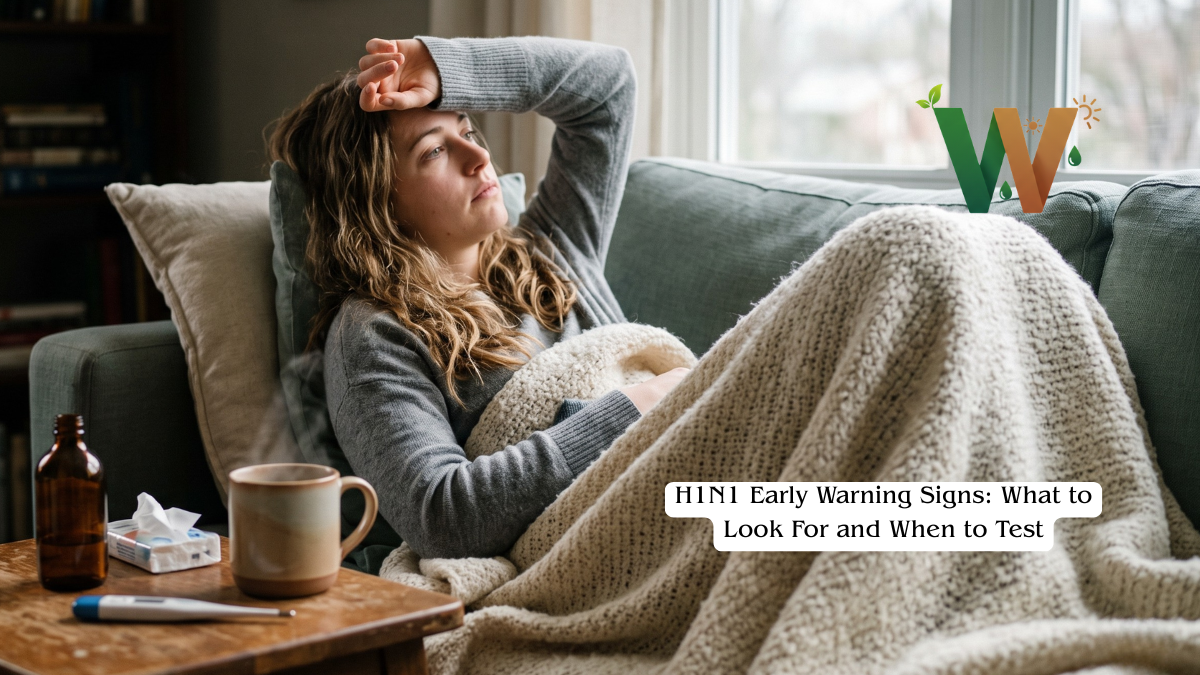
Waking up with a scratchy throat and a heavy head can quickly disrupt your week. Is it just seasonal allergies, a run-of-the-mill head cold, or the start of something more serious like influenza A subtype H1N1?
H1N1, commonly known as swine flu, is a highly contagious respiratory infection. First identified as a widespread pandemic strain in 2009, it has since settled into regular seasonal circulation alongside other influenza viruses. While many people recover from H1N1 with rest and hydration, early detection remains critical. Prompt diagnosis allows you to start targeted antiviral therapies during the narrow window when they work best.
This comprehensive guide covers the earliest warning signs of H1N1, how to distinguish swine flu from other common respiratory illnesses, when and how to get tested, and practical steps to protect yourself and your household.
Table of Contents
What Is H1N1 Swine Flu?
H1N1 is a subtype of the Influenza A virus. The name “swine flu” originated because genetic analysis showed the virus was similar to influenza strains circulating in pigs. Today, H1N1 spreads directly from human to human through airborne respiratory droplets and contaminated surfaces.
                  +-----------------------------------+
                  |      H1N1 Infection Timeline      |
                  +-----------------------------------+
                                    |
          [Day 1 to 4]              |  Exposure & Incubation (No symptoms)
                                    v
          [Day 4 to 5]              |  Sudden "Hit by a Truck" Onset
                                    |  (High fever, severe body aches, chills)
                                    v
          [First 48 Hours]          |  **Optimal Testing & Antiviral Window**
                                    |  (Oseltamivir / Baloxavir most effective)
                                    v
          [Day 6 to 10]             |  Peak Respiratory Phase (Cough, fatigue)
                                    v
          [Day 10+]                 |  Gradual Recovery (Lingering cough)
The virus infects the cells lining your nose, throat, and lungs. Because the body launches an aggressive immune response to clear the infection, symptoms often feel far more intense than those of a standard winter cold.
The Earliest Warning Signs of H1N1
Unlike a common cold that builds slowly over several days, H1N1 often strikes suddenly. Many patients describe feeling completely fine at breakfast and utterly exhausted with a high fever by mid-afternoon.
1. Sudden, High-Grade Fever and Shivering Chills
A rapid spike in body temperature is frequently the first clear indicator of an influenza infection. Fever with H1N1 typically reaches 38°C to 40°C (100.4°F to 104°F) and can last three to four days. Severe chills and shivering often accompany this temperature spike as your immune system resets its baseline to fight the virus.
2. Overwhelming Physical Fatigue and Weakness
Profound exhaustion is a hallmark of influenza viruses. This is not ordinary tiredness after a poor night of sleep; it is a deep, debilitating fatigue that makes basic activities like walking to the kitchen or sitting up in bed feel difficult. This weakness can persist for several weeks after the primary infection resolves.
3. Intense Muscle Aches and Body Pain
Known clinically as myalgia, severe body aches are especially prominent with H1N1. Patients frequently report deep aches across their lower back, thighs, shoulders, and neck. These aches occur because the immune system releases inflammatory cytokines to suppress viral replication.
4. Severe, Persistent Headaches
Along with generalized body aches, a throbbing frontal headache often appears in the earliest stages. Eye movement may feel painful or tender, and bright lights can worsen the discomfort.
5. Dry, Hacking Cough and Sore Throat
While nasal symptoms can occur, H1N1 often begins with a dry, non-productive cough and a raw, burning sensation in the throat. If left unmonitored, this persistent cough can irritate the bronchial tubes and lead to secondary bacterial infections.
6. Gastrointestinal Symptoms (Nausea, Vomiting, Diarrhea)
While standard seasonal flu primarily attacks the respiratory tract, H1N1 frequently presents with gastrointestinal distress, particularly in children and young adults. Sudden nausea, abdominal cramping, vomiting, or loose stools combined with a fever should raise suspicion for H1N1.
How to Tell the Difference: H1N1 vs. Cold vs. COVID-19 vs. RSV
Because many respiratory viruses share overlapping symptoms, distinguishing between them based on feeling alone can prove challenging. However, the speed of onset and the balance of specific symptoms provide helpful clues.
| Symptom / Feature | H1N1 (Swine Flu) | Common Cold | COVID-19 | RSV |
| Symptom Onset | Sudden (within hours) | Gradual (over 2–3 days) | Gradual to moderate (2–5 days) | Gradual (over a few days) |
| Fever | Common, high (100.4°F–104°F) | Rare or mild | Common, variable | Low-grade to moderate |
| Body Aches | Severe and widespread | Mild or absent | Mild to severe | Mild |
| Fatigue | Severe and immediate | Mild, manageable | Moderate to severe | Mild to moderate |
| Sneezing & Runny Nose | Sometimes | Very common (primary feature) | Common | Common |
| Sore Throat | Common | Common (early sign) | Common | Common |
| Loss of Taste/Smell | Rare | Temporary (from congestion) | Frequent | Rare |
| GI Issues (Vomiting/Diarrhea) | Common (especially kids) | Extremely rare | Occasional | Rare |
| Complication Risk | Pneumonia, bronchitis | Sinusitis, ear infection | Long COVID, pneumonia | Bronchiolitis, wheezing |
The Crucial 48-Hour Antiviral Window
If you suspect you have H1N1, timing matters. Prescription antiviral medications—such as Oseltamivir (Tamiflu), Zanamivir (Relenza), and Baloxavir marboxil (Xofluza)—are most effective when started within 48 hours of symptom onset.
  0 Hours (First Symptoms)          48 Hours                          72+ Hours
  |------------------------------------|--------------------------------->
       MAXIMUM ANTIVIRAL BENEFIT              REDUCED EFFECTIVENESS
   - Shortens duration by 1 to 2 days     - Benefits high-risk patients
   - Lowers risk of severe pneumonia        or severe hospital cases
   - Decreases household transmission
Why Antivirals Work Best Early
Antiviral drugs do not kill existing viral particles directly. Instead, they inhibit specific viral enzymes (such as neuraminidase) to stop new virus copies from escaping infected cells and spreading through your respiratory tract.
Once the infection passes the 48-hour mark, viral replication in your body has already peaked, and your symptoms stem primarily from your immune system’s inflammatory response. While doctors may still prescribe antivirals after 48 hours for hospitalized or high-risk patients, starting treatment immediately yields the best clinical outcomes.
When to Get Tested for H1N1
Not everyone with mild flu symptoms needs a laboratory test. However, targeted testing is important in specific clinical situations:
- High-Risk Individuals: Anyone at elevated risk for flu complications should seek testing immediately upon symptom onset to qualify for prompt antiviral treatment.
- Worsening Symptoms: If an initially mild illness suddenly escalates with higher fever, wheezing, or chest tightness.
- Healthcare and Caregiver Roles: Workers who interact with immunocompromised individuals or elderly populations need confirmation to prevent workplace outbreaks.
- Diagnostic Uncertainty: When multiple viruses circulate simultaneously (such as during “tripledemic” surges of Flu, COVID-19, and RSV), testing identifies the exact pathogen to ensure appropriate treatment.
Understanding H1N1 Diagnostic Tests
Healthcare providers use several diagnostic methods to detect influenza viruses. Swabs collected from the nasopharynx or throat within the first three to four days of illness provide the most accurate results.
1. Rapid Influenza Diagnostic Tests (RIDTs)
- How it works: Detects viral antigens from a nasal swab in 10 to 15 minutes.
- Pros: Fast results right in the clinic or urgent care center.
- Cons: Lower sensitivity (50% to 70%). A false negative is possible; a negative result does not completely rule out H1N1 if your clinical symptoms strongly indicate the flu.
2. Molecular Assays (RT-PCR and Nucleic Acid Amplification)
- How it works: Amplifies and identifies the viral genetic material (RNA).
- Pros: The gold standard of accuracy (over 95% sensitivity and specificity). Can differentiate between Influenza A, Influenza B, and specific subtypes like H1N1.
- Cons: Turnaround time ranges from 45 minutes for point-of-care PCR machines to 24 to 48 hours for send-out laboratory panels.
3. Multiplex Respiratory Viral Panels
- How it works: A single swab tests simultaneously for dozens of respiratory pathogens, including Influenza A/B, SARS-CoV-2, RSV, Parainfluenza, and Adenovirus.
- Pros: Pinpoints coinfections and avoids diagnostic guesswork in complex or severe cases.
- Cons: Higher cost, usually reserved for emergency rooms and hospital admissions.
High-Risk Groups: Who Faces the Greatest Danger?
While H1N1 can cause severe illness even in healthy young adults, certain populations are far more vulnerable to life-threatening complications like viral pneumonia, respiratory failure, and bacterial superinfections:
- Children Under 5 Years (Especially under 2): Developing airways and immature immune systems make young children susceptible to croup, severe dehydration, and febrile seizures.
- Adults Aged 65 and Older: Natural immune decline (immunosenescence) reduces the body’s ability to clear viral loads efficiently.
- Pregnant Women and Postpartum Individuals (up to 2 weeks post-delivery): Changes in heart rate, oxygen consumption, lung capacity, and immune tolerance make pregnant individuals particularly vulnerable to severe influenza complications.
- People with Chronic Medical Conditions: Including asthma, COPD, cystic fibrosis, congestive heart failure, diabetes, kidney disease, and neurological disorders.
- Immunocompromised Individuals: People undergoing chemotherapy, organ transplant recipients, and those taking immunosuppressive biologics.
Red Flag Warning Signs: When to Seek Immediate Emergency Care
Most cases of H1N1 resolve with home care and rest. However, complications can develop rapidly. Seek emergency medical attention immediately if you notice any of the following critical warning signs:
+-------------------------------------------------------------------------+
|                  EMERGENCY WARNING SIGNS (SEEK IMMEDIATE CARE)          |
+------------------------------------+------------------------------------+
|               ADULTS               |              CHILDREN              |
+------------------------------------+------------------------------------+
| * Shortness of breath or dyspnea   | * Fast breathing or working hard   |
| * Persistent chest pain/pressure   |   to breathe (ribs pulling in)     |
| * Sudden dizziness or confusion    | * Bluish lips, face, or nail beds  |
| * Inability to urinate / severe    | * Lethargy; won't wake up or       |
|   dehydration                      |   interact                         |
| * High fever unresponsive to meds  | * Inconsolable crying; no tears    |
| * "Relapsing flu": fever drops,    | * Fewer than 3 wet diapers in 24h  |
|   then returns worse with cough    | * Seizures or neurological changes |
+------------------------------------+------------------------------------+
The “rebound” pattern is particularly dangerous: feeling better for a day or two, followed by a sudden spike in high fever and a productive cough with colored phlegm. This often indicates a secondary bacterial pneumonia (such as Streptococcus pneumoniae or Staphylococcus aureus), which requires urgent antibiotic therapy.
Treatment and Recovery: Actionable Steps for Home Care
If your doctor confirms H1N1 and you are resting at home, a disciplined recovery strategy will help minimize discomfort and speed healing:
Rest and Isolation
Stay home from work, school, and public places for at least 24 hours after your fever breaks naturally without the use of fever-reducing medications. Sleep allows your immune system to allocate energy toward producing antibodies and clearing the virus.
Aggressive Hydration
Fever and rapid breathing accelerate fluid loss. Drink plenty of water, clear bone broths, herbal teas, and electrolyte-rich solutions. Monitor your urine output; pale yellow urine indicates adequate hydration.
Over-the-Counter Symptom Relief
- Fever and Pain: Acetaminophen (Tylenol) or Ibuprofen (Advil/Motrin) can help manage high temperatures and muscle aches.Important Safety Note: Never give aspirin or aspirin-containing products to children or teenagers recovering from viral infections due to the risk of Reye’s syndrome, a rare but potentially fatal condition affecting the liver and brain.
- Congestion and Cough: Use warm-mist humidifiers, saline nasal rinses, and honey (for individuals over 1 year of age) to soothe irritated airways.
Prevention and Protection: Staying Ahead of H1N1
Prevention remains the most effective defense against H1N1 and its potential complications.
- Annual Influenza Vaccination: Each year, public health organizations update the seasonal flu shot to match circulating strains, including the latest H1N1 lineage. Even when vaccine match is imperfect, vaccination significantly reduces the severity of illness, hospitalization rates, and death.
- Hand Hygiene: Wash your hands frequently with soap and warm water for at least 20 seconds, especially after coughing, sneezing, or touching shared surfaces. Use an alcohol-based hand sanitizer (at least 60% alcohol) when soap is unavailable.
- Respiratory Etiquette: Cover coughs and sneezes into the crook of your elbow or a disposable tissue. Discard used tissues immediately into a closed bin.
- Ventilation and Air Quality: Improve indoor airflow by opening windows or running HEPA air filters when household members feel under the weather.
Frequently Asked Questions (FAQ)
How long is someone with H1N1 contagious?
Most adults become contagious about one day before symptoms begin and remain contagious for roughly 5 to 7 days after falling ill. Young children and people with weakened immune systems can shed the virus for 10 days or longer.
Can you catch H1N1 from eating pork?
No. H1N1 is an airborne respiratory infection spread through droplets produced when infected people cough, sneeze, or talk. You cannot contract H1N1 by handling or consuming properly cooked pork products.
If I had H1N1 in the past, am I immune for life?
No. While your immune system retains some memory of prior strains, influenza viruses undergo continuous genetic mutations (antigenic drift). Over time, these structural changes allow new variants to evade prior immunity, which is why annual vaccination is recommended.
How long does recovery from H1N1 take?
Acute symptoms—such as fever, chills, and severe aches—usually subside within 4 to 7 days. However, mild fatigue, low stamina, and a dry cough can linger for two to three weeks as your respiratory lining fully regenerates.