
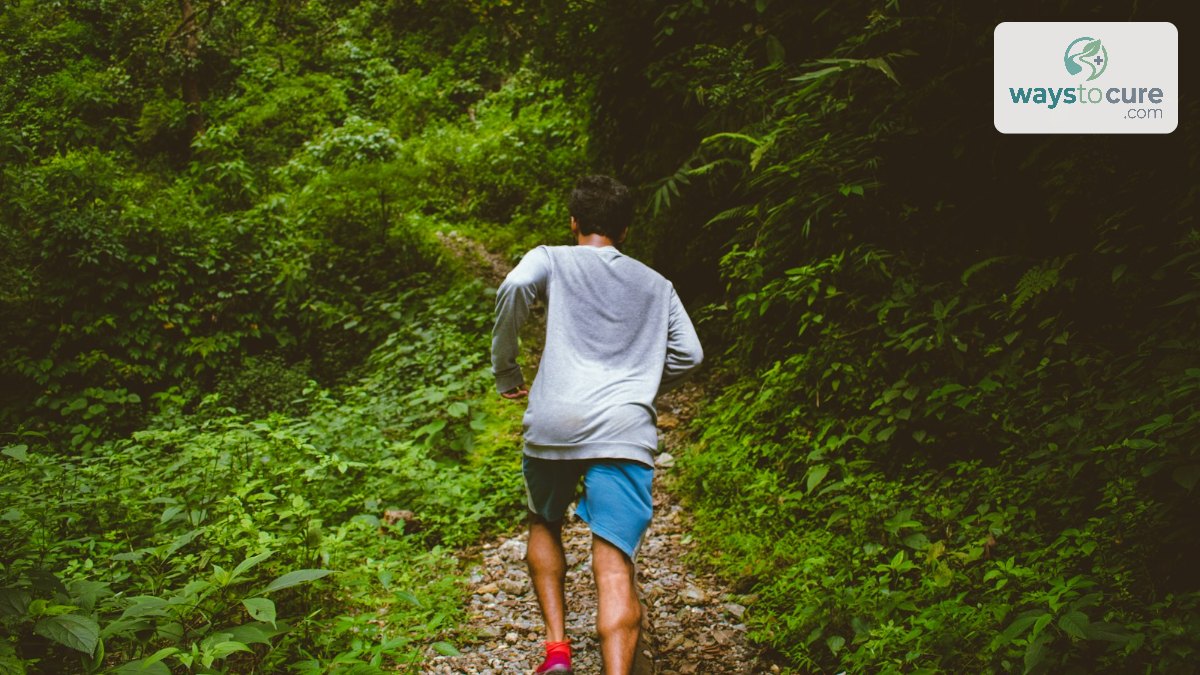
Sweating is good for you in one specific way: it’s how your body cools down, and without it you’d overheat quickly. It doesn’t “detox” you in any meaningful way and it doesn’t burn fat, so there’s no health reason to chase extra sweat. What matters is replacing what you lose, especially in Indian summers, and knowing when sweating, or suddenly not sweating, is a warning sign.
What sweat actually does
Your body works best in a narrow temperature range. When you get hot from the weather, exercise or a fever, your sweat glands release fluid onto your skin. As that sweat evaporates, it carries heat away. Cleveland Clinic describes this as sweat’s main job: cooling your skin and the tissues beneath it.
There are two main types of sweat gland:
- Eccrine glands cover most of your body and make the thin, watery sweat that cools you. They also react to strong emotions, which is why your palms get damp before an exam or interview.
- Apocrine glands sit mainly in the armpits and groin. They make thicker, stickier sweat in response to stress or anxiety, and it’s richer in fats and proteins. They play only a small part in cooling.
Sweat is about 99% water. Most of the rest is sodium and chloride (the parts of table salt), with small amounts of potassium and other substances.
Evaporation is the key part. On humid days, such as in Mumbai, Chennai or Kolkata in the monsoon, sweat drips off instead of evaporating, so it cools you less. That’s why humid heat feels so draining.
Does sweating detox your body?
Not in any way that matters. Sweat does contain trace amounts of substances such as heavy metals and BPA, but Cleveland Clinic says there isn’t enough scientific evidence that sweating heavily, whether through exercise or a sauna, purifies the body or improves health.
Your liver and kidneys do the real cleaning. They remove waste and toxins from your blood, which then leave your body in urine. If your liver and kidneys are healthy, they don’t need help from a sweat session, and if they’re not working well, sweating can’t take over their job.
That’s also why “detox” teas, wraps and sweat suits are a poor use of money. We look at the evidence for detox products in more detail in herbal detoxes: do they work?
Does sweating burn fat?
No. The weight you lose after a sweaty workout, a sauna or a hot day is mostly water. A Cleveland Clinic sports medicine doctor explains that sweating itself takes very little energy, and much of that lost weight returns once you rehydrate. Calories are burnt by your muscles working, not by your sweat glands.
So a soaked T-shirt isn’t proof of a good workout, and a dry one isn’t proof of a wasted one. Real fat loss comes from a steady calorie deficit over weeks, not from how much you sweat in a session.
Staying hydrated in Indian heat
On hot days, especially if you work outdoors, commute on two-wheelers or exercise, you can lose a lot of fluid and salt through sweat. Losing too much can lead to dehydration and electrolyte imbalance. India’s health ministry heat advisories recommend:
- Drink water regularly, even if you don’t feel thirsty.
- Use ORS, lemon water (nimbu pani), buttermilk (chaas) or lassi to replace salt as well as water.
- Avoid going out in the sun between 12 noon and 3 pm where you can.
- Cut back on alcohol, tea, coffee and sugary or fizzy drinks, which can add to fluid loss or cause stomach cramps.
- Wear loose, light-coloured cotton clothes and cover your head outdoors.
Strong thirst, headache and dizziness on a hot day are signs to stop, get into shade and drink. Cooling foods such as curd and watery fruits can help too; see our list of cooling summer foods.
If you have heart failure or kidney disease and your doctor has limited your fluids or salt, follow their advice rather than general guidelines.
Heat exhaustion vs heatstroke: know the difference
Heavy sweating in the heat can tip into heat exhaustion. If the body’s cooling fails, that becomes heatstroke, which is an emergency. The NHS sets out the signs:
| Heat exhaustion | Heatstroke (emergency) | |
|---|---|---|
| Sweating | Heavy sweating, pale and clammy skin | Often not sweating even though they feel too hot (some people still sweat, so don’t rely on this alone) |
| Other symptoms | Tiredness, dizziness, headache, nausea or vomiting, cramps, strong thirst, raised temperature | Very high temperature, fast heartbeat or breathing, confusion, poor coordination, fits, passing out |
| What to do | Move somewhere cool, remove extra clothing, give water or ORS, cool the skin with water and fanning. They should feel better within 30 minutes. | Call 108 or 112 immediately. Keep cooling them with wet cloths, fanning and cold water while you wait. |
If someone with heat exhaustion isn’t better after 30 minutes of rest, cooling and fluids, treat it as heatstroke. Children, older adults and people with diabetes or heart problems are at higher risk, so check on them during heatwaves.
Not sweating in the heat is a danger sign
Most people worry about sweating too much. Sweating too little can be more serious. Cleveland Clinic explains that if your body can’t sweat as it should (anhidrosis), your risk of heat exhaustion and heatstroke goes up. A sudden stop in sweating on a hot day can signal severe dehydration or heatstroke, particularly in people over 65.
Get emergency help if someone isn’t sweating and has a high temperature, red, hot, dry skin, a fast pulse, dizziness or fainting, confusion or a seizure. If you notice over weeks that you hardly sweat even when exercising in the heat, see a doctor.
Saunas: what the evidence really shows
Saunas get a lot of health claims. The best-known study followed 2,315 middle-aged men in eastern Finland for about 20 years. Published in JAMA Internal Medicine, it found that men who used a sauna four to seven times a week had a lower risk of sudden cardiac death and of dying from heart disease than men who went once a week.
That sounds impressive, but there are limits:
- It was an observational study, so it shows a link, not proof that saunas caused the benefit. The authors themselves called for more research.
- Only Finnish men were studied, where sauna use is a lifelong social habit.
- Nothing in the study suggests the benefit came from “sweating out toxins”.
A sauna is fine for most healthy adults who enjoy it. Drink water before and after, avoid alcohol, and leave if you feel dizzy or unwell. If you’re pregnant, or have heart disease or low blood pressure, ask your doctor first.
When sweating is too much: hyperhidrosis and night sweats
Excessive sweating (hyperhidrosis)
Some people sweat heavily from the palms, feet, armpits or face even when they’re cool and calm. This is hyperhidrosis. It’s usually harmless but can be embarrassing and get in the way of daily life. Our article on the triggers behind sweaty hands explains the common causes.
The NHS suggests loose clothes, absorbent socks and avoiding synthetic fabrics, and asking a pharmacist about stronger antiperspirants. A dermatologist can offer tablets, creams, iontophoresis (a weak electric current through water), Botox injections for underarms, or surgery in severe cases.
Excess sweating can also be caused by another condition or a medicine. An overactive thyroid is one example; see our guide to overactive thyroid symptoms in women.
Night sweats
Waking up hot because your room is warm or your blanket is too thick is normal. Regularly waking with soaked sheets is not. The NHS lists common causes including menopause, anxiety, some medicines (certain antidepressants, steroids and painkillers), low blood sugar, and alcohol or drug use.
Night sweats can also be a sign of infections and, rarely, cancer. In India, tuberculosis is an important cause to rule out: the NHS lists night sweats, a high temperature, losing weight without trying and a cough lasting more than three weeks among TB symptoms. Lymphoma can cause night sweats too, along with a painless lump in the neck, armpit or groin and sudden weight loss.
When to see a doctor
Call 108 or 112 immediately if:
- Someone in the heat has hot, dry skin and is confused, collapses or has a fit.
- Heat exhaustion doesn’t improve after 30 minutes of cooling and fluids.
- You have sudden heavy sweating with chest pain, breathlessness or pain spreading to the arm, jaw or back, which can be signs of a heart attack.
See a doctor soon if:
- You regularly wake up with soaking-wet sheets.
- Night sweats come with fever, a cough lasting over three weeks, weight loss you can’t explain, or a new lump.
- Heavy sweating has lasted six months or more, stops you doing daily things, happens at least weekly, or started after a new medicine.
- You’ve noticed you barely sweat, even in the heat.
- Menopausal sweats are affecting your sleep and daily life.
Frequently asked questions
Is it bad if I don’t sweat much during exercise?
Not necessarily. People sweat different amounts. But if you hardly sweat in the heat and feel dizzy or overheated, see a doctor.
Does sweating more mean I burnt more calories?
No. Sweating itself uses very little energy. The calories come from your muscles working, and the weight lost in sweat returns when you drink.
Should I drink ORS every time I sweat?
Not every time. For light sweating, water is usually enough. On very hot days, or after heavy sweating, heat advisories suggest ORS, buttermilk or lemon water so you replace salt as well as fluid.
Do hot yoga or sauna suits help weight loss?
They make you lose water, not fat, and the weight comes back when you drink. Heavy sweating without replacing fluids can also leave you dehydrated.
This article is for general information and is not a substitute for advice from a doctor. If you have symptoms or a health condition, please consult a qualified healthcare professional.