
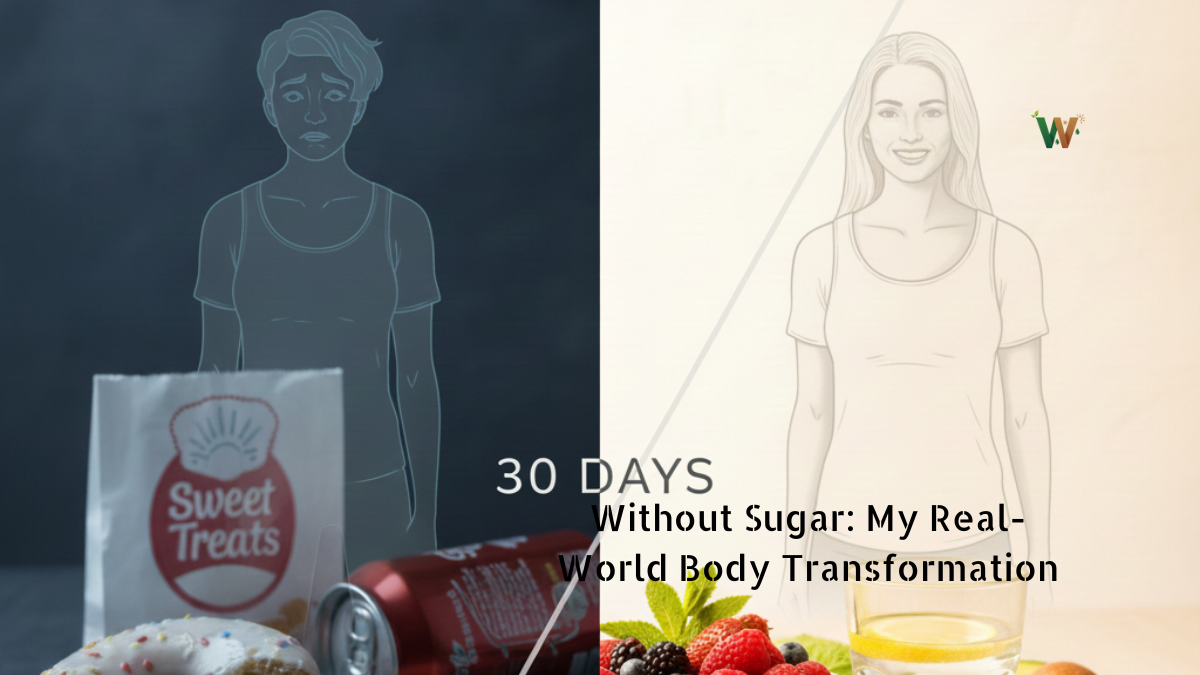
Modern life runs on glucose. It is in our morning coffee, our “healthy” granola bars, and even our salad dressings. I realized recently that my energy levels were a rollercoaster. I would feel a massive surge of productivity after lunch, followed by a crushing fog at 3:00 PM. I knew the culprit was added sugar.
I decided to embark on a 30-day experiment. I wanted to see what would happen if I eliminated all added sweeteners from my diet. This was not just about weight. It was about reclaiming my focus and understanding how my body functions without the constant chemical high of sucrose.
This article documents that journey. It covers the biological shifts, the mental hurdles, and the long-term health benefits of breaking the sugar habit. If you are considering a sugar detox, this guide provides the roadmap you need to navigate the first month.
Please choose display type!Table of Contents
Why Sugar is So Addictive
To understand why the first week is hard, we have to look at brain chemistry. When you eat sugar, your brain releases a surge of dopamine. This is the same neurotransmitter associated with reward and motivation. Over time, your brain builds a tolerance. You need more sugar to get that same “hit” of satisfaction.
Sugar also impacts your hormones. Specifically, it interferes with leptin, the hormone that tells your brain you are full. High sugar intake often leads to leptin resistance. This means your body thinks it is starving even when you have consumed plenty of calories. This cycle makes it incredibly difficult to stop eating once you start.
By cutting sugar, you are essentially “resetting” these neural pathways. You are teaching your brain to find pleasure in natural flavors and allowing your hormones to regulate your appetite correctly again.
Week 1: The Withdrawal Phase
The first seven days were undeniably the hardest. Within 48 hours, I experienced what many call the “sugar flu.” Since my body was used to burning quick glucose for energy, it felt sluggish as it began the transition to burning fat and complex carbohydrates.
Common Symptoms I Experienced
- Headaches: These were dull but persistent. They usually peaked in the late afternoon.
- Irritability: I found my patience was thin. Little things that usually did not bother me felt like major obstacles.
- Cravings: My brain was constantly suggesting “just one” cookie or a sweetened yogurt.
- Sleep Changes: I had trouble falling asleep for the first three nights because my body felt restless.
How I Handled the Cravings
I quickly learned that drinking water was my best defense. Often, what we perceive as a sugar craving is actually mild dehydration. I also increased my intake of healthy fats. Avocado, nuts, and olive oil provided a sense of satiety that sugar never could. These fats helped stabilize my blood sugar and kept the “hangry” feelings at bay.
Week 2: The Turning Point
By day ten, the fog began to lift. The headaches vanished, and my energy started to feel more consistent. I no longer felt that desperate need for a nap after eating lunch. This is the period where your insulin levels begin to stabilize.
Improved Taste Sensitivity
One of the most surprising changes happened to my palate. I ate an apple on day twelve and it tasted like candy. When you bombard your tongue with high-fructose corn syrup, natural sugars in fruit seem bland. Once those artificial levels are removed, your taste buds become more sensitive. Vegetables started to taste sweeter, and I could appreciate the complexity of savory foods more.
Stable Energy Levels
The “afternoon slump” became a thing of the past. Without the spikes and crashes of insulin, my blood sugar remained steady throughout the day. I felt a calm, focused energy that allowed me to work through my tasks without reaching for a sugary snack every two hours.
Week 3: Physical Changes and Weight Loss
By the third week, the changes were no longer just internal. I started noticing physical shifts in the mirror and in how my clothes fit. While weight loss was not my primary goal, it was a natural byproduct of cutting out empty calories.
Reduction in Inflammation
Sugar is a major driver of systemic inflammation. I noticed that the puffiness in my face had disappeared. My joints felt less stiff in the mornings. This is because high sugar intake increases the production of pro-inflammatory cytokines. Reducing sugar intake effectively “cools down” the body’s inflammatory response.
Clearer Skin
I have struggled with occasional breakouts for years. During week three, my skin looked clearer than it had in months. High-glycemic foods cause a spike in insulin, which can trigger an overproduction of oil and lead to acne. By keeping my insulin low, my skin had a chance to heal and balance itself.
Fat Loss
I lost five pounds by the end of week three. Most of this was likely water weight initially, as sugar causes the body to retain water. However, by the third week, my body was more efficient at tapping into fat stores for energy. My waistline felt noticeably leaner.
Week 4: Mental Clarity and Better Sleep
The final week of the month felt like a new baseline. The struggle was gone, and the benefits were solidified. I felt like I had gained a new level of control over my body and mind.
Enhanced Cognitive Function
The “brain fog” that I had lived with for years was gone. Research shows that high sugar diets can impair cognitive function and memory. During this final week, I found it easier to focus on complex tasks for longer periods. My memory felt sharper, and I was less prone to distractions.
Deep, Restorative Sleep
My sleep quality improved dramatically. While I had trouble falling asleep in week one, by week four I was falling asleep quickly and waking up feeling refreshed. Sugar can disrupt the REM cycle and cause you to wake up in the middle of the night as your blood sugar drops. Steady levels led to uninterrupted, deep sleep.
Emotional Stability
My mood was much more balanced. I no longer had the emotional highs and lows that come with sugar crashes. I felt a sense of calm resilience. This mental “evenness” was perhaps the most valuable benefit of the entire month.
The Science of Sugar and Your Heart
It is not just about weight or skin. Cutting sugar has profound effects on your cardiovascular health. During my month off sugar, I researched how this change impacts the heart.
High sugar intake leads the liver to dump more harmful fats into the bloodstream. This can increase your risk of heart disease. It also raises blood pressure. By removing added sugar, you are lowering your triglyceride levels and helping your heart function more efficiently. Even in just thirty days, these markers begin to move in a positive direction.
Hidden Sugars: What to Watch For
The biggest challenge of this month was identifying hidden sugars. It is easy to avoid a donut, but it is much harder to spot sugar in “savory” foods. I had to become an expert at reading labels.
Common Places Sugar Hides
- Pasta Sauce: Many brands add several teaspoons of sugar to cut the acidity of the tomatoes.
- Salad Dressings: Fat-free versions are especially high in sugar to make up for the lost flavor.
- Bread: Even whole wheat bread often contains honey or molasses.
- Condiments: Ketchup and barbecue sauce are essentially liquid sugar.
- Yogurt: “Fruit on the bottom” yogurts often have as much sugar as a candy bar.
I shifted to making my own dressings with olive oil and vinegar. I opted for plain Greek yogurt and added fresh berries myself. These small swaps were essential to the success of the month.
The Role of Fiber and Protein
You cannot just remove sugar; you have to replace it with nutrients that support your body. I found that increasing my fiber and protein intake was the key to avoiding hunger.
Fiber slows down the absorption of any natural sugars you do eat, such as those in berries or beans. This prevents insulin spikes. Protein provides the building blocks for your muscles and neurotransmitters. Together, they create a sense of fullness that sugar never provides. A breakfast of eggs and spinach kept me full until lunch, whereas a bowl of cereal used to leave me hungry by 10:00 AM.
How to Start Your Own 30-Day Sugar Detox
If you want to try this yourself, you do not need to be perfect, but you do need a plan. Here are the steps I recommend for a successful month.
1. Clean Out Your Pantry
Get rid of the obvious temptations. If the cookies are in the house, you will eventually eat them during a moment of weakness. Clear out the sodas, candies, and sugary cereals.
2. Shop the Perimeter
Most of the sugar is in the middle aisles of the grocery store in processed packages. Stick to the perimeter where the fresh produce, meat, and dairy are located.
3. Have “Emergency” Snacks
When a craving hits, you need a plan. I kept raw almonds and hard-boiled eggs in the fridge. These provided immediate satiety without the sugar crash.
4. Focus on Hydration
Drink more water than you think you need. Herbal teas are also a great way to enjoy flavor without sweetness. Mint or ginger tea can also help soothe the digestive system during the transition.
Long-Term Impact: Life After the Month
What happens when the 30 days are over? For me, I didn’t want to go back to my old ways. However, I also didn’t want to live a life of total deprivation.
The goal of a 30-day detox is not necessarily to never eat sugar again. It is to break the addiction and regain the power of choice. Now, I enjoy the occasional dessert as a conscious treat, rather than a mindless habit. Because my taste buds have changed, I find that very sweet things are actually unappealing now. I prefer dark chocolate or fruit-based desserts.
The most lasting change is the knowledge of how good I can feel. I now know that if I start feeling sluggish or moody, I should check my sugar intake. I have a baseline of health that I want to protect.
Common Questions About Cutting Sugar
Can I eat fruit?
Yes. During my month, I continued to eat whole fruits. The fiber in fruit slows down the sugar absorption, making it very different from drinking fruit juice or eating refined sugar. However, I did limit myself to two servings a day to keep my sugar levels low.
Will I lose muscle?
No, as long as you eat enough protein. Cutting sugar actually helps your body become more “metabolically flexible,” meaning it gets better at burning fat for fuel instead of relying on muscle glycogen.
What about artificial sweeteners?
I chose to avoid artificial sweeteners like aspartame or stevia during my month. These can sometimes keep the “sweet tooth” alive and may still trigger an insulin response in some people. For a true reset, it is best to avoid all sweeteners.
Final Thoughts on My Sugar-Free Month
Cutting sugar for a month was one of the most challenging but rewarding things I have ever done for my health. It proved to me that many of the “symptoms” of aging or stress—like fatigue, brain fog, and weight gain—were actually just symptoms of a poor diet.
Your body is incredibly resilient. Within just thirty days, it can repair your metabolism, clear your skin, and sharpen your mind. The first week is a test of will, but the remaining three weeks are a revelation of health.
If you feel like your energy is not your own, or if you find yourself reaching for sweets to get through the day, I encourage you to try this experiment. You don’t have to do it forever. Just do it for a month. You might be surprised at the person you find on the other side.
Would you like me to create a 7-day meal plan to help you get started with your own sugar detox?