
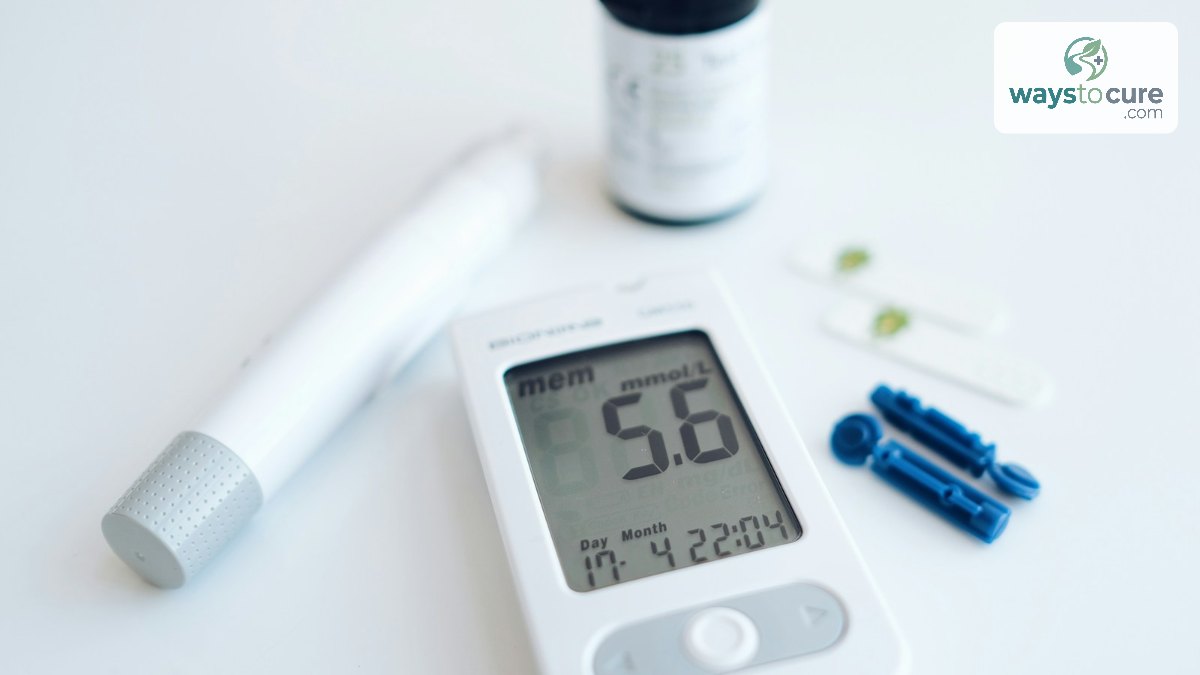
HbA1c usually tells you more about your long-term blood sugar, because it reflects roughly the last three months, while a fasting blood sugar test shows only what your glucose was on one particular morning. But HbA1c can be thrown off by things that have nothing to do with sugar, such as iron-deficiency anaemia or an inherited haemoglobin variant, so doctors often use both tests and look harder when the two don’t agree.
What each test actually measures
Fasting blood sugar (also called fasting plasma glucose, or FBS/FPG on your report) is the amount of glucose in your blood after you’ve had nothing but water for at least 8 hours. It’s a snapshot. Last night’s dinner, a poor night’s sleep, a fever or a course of steroids can all move it.
HbA1c (glycated haemoglobin) measures the percentage of haemoglobin in your red blood cells that has glucose stuck to it. Red cells live for a few months, so HbA1c reflects your average blood sugar over about the past 3 months. According to the US National Institute of Diabetes and Digestive and Kidney Diseases (NIDDK), the most recent 30 days count for more than the months before.
That difference matters in practice. A review in Clinical Biochemist Reviews notes that HbA1c isn’t affected by meals and has no daily rhythm, so it can be measured at any time of day. It also varies less within the same person: about 3.6% for HbA1c compared with 5.7% for fasting glucose.
If you’d like a refresher on how your body handles sugar in the first place, our explainer on glucose as your body’s energy source covers the basics.
Diagnostic cut-offs for diabetes and prediabetes
These are the ranges used by the CDC, in line with American Diabetes Association criteria:
| Test | Normal | Prediabetes | Diabetes |
|---|---|---|---|
| HbA1c | Below 5.7% | 5.7% to 6.4% | 6.5% or above |
| Fasting blood sugar | 99 mg/dL or below | 100 to 125 mg/dL | 126 mg/dL or above |
| Glucose tolerance test (2 hours after a glucose drink) | Below 140 mg/dL | 140 to 199 mg/dL | 200 mg/dL or above |
| Random blood sugar | Not used | Not used | 200 mg/dL or above |
A few points worth knowing:
- The WHO uses the same HbA1c cut-off. It accepted HbA1c for diagnosis in 2011, at 6.5% (48 mmol/mol, the unit UK labs use), provided the lab uses a standardised, quality-checked method. It also says an HbA1c below 6.5% doesn’t rule out diabetes found on glucose tests.
- Prediabetes ranges differ between organisations. Not every guideline draws the lower line in the same place, so your lab’s printed reference range may not match the table above exactly. Ask your doctor which one they follow.
- One abnormal result isn’t a diagnosis. If you don’t have obvious symptoms, NIDDK advises repeating the test on a different day to confirm.
So which test tells you more?
For the big picture, HbA1c. One reading summarises months of control, you don’t need to fast, and it varies less from week to week. That’s why it’s the main test for tracking diabetes once it’s diagnosed.
Fasting sugar has its own strengths. It’s cheap, it’s available in almost every lab and clinic, and it isn’t affected by your red blood cells. It also catches changes quickly. If you’ve just started a new medicine, a fasting reading shows the effect within days, while HbA1c takes weeks to catch up.
The two tests don’t always pick out the same people. The Clinical Biochemist Reviews article points out that HbA1c identifies a somewhat different group as having diabetes than glucose testing does. When it matters, using both gives a fuller answer than either alone.
When HbA1c and fasting sugar disagree, and why
Say your HbA1c comes back at 6.7% but your fasting sugar is 92 mg/dL. Or the reverse. Before anyone decides if you have diabetes, check whether something is distorting one of the numbers.
| What’s going on | Effect on HbA1c | Effect on fasting sugar |
|---|---|---|
| Iron-deficiency anaemia | Can read falsely high | Not directly affected |
| Faster red cell breakdown (haemolysis), recent heavy blood loss, transfusion, dialysis | Can read falsely low | Not directly affected |
| Haemoglobin variants (HbE, HbS, HbD) or thalassaemia | Can read high, low or fail to give a result, depending on the lab method | Not affected |
| Kidney failure or liver disease | Can be inaccurate | Can be affected |
| Recent serious illness, surgery, injury or steroid tablets | Little change if short-lived | Can read high |
| Pregnancy | Not used to diagnose gestational diabetes | Glucose-based tests are used instead |
Anaemia: a very common reason in India
NIDDK notes that people who are very low in iron can get a falsely high HbA1c. In India this isn’t a rare situation. In the National Family Health Survey 2019–21, 57% of women aged 15 to 49 were anaemic. A woman with untreated iron deficiency could be labelled as prediabetic or diabetic on HbA1c alone when her glucose is normal. On the other hand, conditions that shorten red cell life, such as haemolysis, push HbA1c down and can hide real diabetes.
Haemoglobin variants and thalassaemia trait
Some people inherit a slightly different form of haemoglobin. Most never know until a blood test shows it. A paper on the challenges of measuring HbA1c in India lists thalassaemias, structural variants such as HbS and HbD, and iron-deficiency anaemia as factors that are relatively common in parts of the country, and advises checking for them whenever HbA1c is unexpectedly high or low. HbE is the most common variant in Northeast India, and a report in the Indian Journal of Endocrinology and Metabolism describes how some HbA1c methods can’t measure it at all in people with HbE disease.
If your lab report carries a note such as “abnormal haemoglobin peak” or “variant suspected”, don’t ignore it. Your doctor may order haemoglobin electrophoresis and rely on glucose-based tests instead.
Recent illness, stress and medicines
MedlinePlus lists stress from surgery, serious illness or injury as causes of a high glucose result, along with medicines such as long-term steroids, some antipsychotics, beta-blockers and statins. A fasting test taken while you’re recovering from typhoid or dengue may not reflect your usual sugar. HbA1c moves much more slowly, because it averages several months.
How often should you get tested?
According to MedlinePlus and NIDDK:
- If you have diabetes: HbA1c at least twice a year, and more often if you’re not meeting your targets or your treatment has changed.
- If you have prediabetes: usually every 1 to 2 years.
- If you’re over 45 with normal results: your doctor will set the interval based on your age and risk factors.
- If you’re younger but have risk factors (overweight, a parent or sibling with diabetes, past gestational diabetes, high blood pressure): ask about testing now rather than waiting.
Fasting sugar may be checked more often, especially in the weeks after starting or changing a medicine.
How to prepare for each test
For fasting blood sugar:
- Have nothing but plain water for at least 8 hours. No tea, coffee, milk, juice or chewing gum.
- Book an early morning slot so you’re not fasting longer than you need to.
- Eat as you normally do on the days before. A crash diet the day before makes the number look better than your usual, which defeats the point.
- If you take diabetes medicine or insulin, ask your doctor whether to take it before the test. Don’t skip it on your own, and carry something sweet in case your sugar drops.
For HbA1c:
- No fasting needed. You can go at any time of day.
- Tell the lab and your doctor if you’re pregnant, have had a recent transfusion or heavy bleeding, or have been told you have anaemia or a haemoglobin variant.
- Don’t stop any medicine unless your doctor tells you to.
What a lab report looks like
Indian lab reports vary in layout, but the lines usually look something like this:
- Glucose, Fasting (Plasma): 118 mg/dL. Reference: below 100. Interpretation: prediabetes range.
- HbA1c (Glycated Haemoglobin), method HPLC: 6.2%. Reference: normal below 5.7, prediabetes 5.7 to 6.4, diabetes 6.5 and above.
- Estimated Average Glucose (eAG): some labs add this line, converting your HbA1c into mg/dL.
Check three things: the units (mg/dL in India and the US, mmol/L for glucose and mmol/mol for HbA1c in the UK), the method used for HbA1c, and any footnote about haemoglobin variants. Don’t expect the eAG to match your glucometer readings. As NIDDK points out, it’s a long-term average, so it won’t equal any single finger-prick number.
Whatever your numbers, food choices make a real difference. Our guide on choosing the right carbs is a practical place to start, and our overview of diabetes and its treatment explains what comes after a diagnosis.
When to see a doctor
Book an appointment soon if:
- Your fasting sugar is 100 mg/dL or more, or your HbA1c is 5.7% or more, on any test.
- Your two tests disagree and nobody has explained why.
- You notice constant thirst, passing urine much more often (especially at night), weight loss without trying, blurred vision, slow-healing wounds or repeated infections.
Go to hospital or call 112 if someone with very high sugar readings is vomiting, has stomach pain, is breathing fast and deeply, or is drowsy or confused. Get urgent help too for signs of low sugar that don’t improve after taking something sweet: shaking, sweating, confusion or fainting.
Frequently asked questions
Do I need to fast for an HbA1c test?
No. HbA1c isn’t affected by your last meal, so you can have it done at any time of day.
Can I drink tea before a fasting blood sugar test?
No. The fast means nothing except plain water for at least 8 hours. Save your chai for after the blood sample is taken.
Can anaemia make my HbA1c look like diabetes?
Yes. Iron-deficiency anaemia can push HbA1c falsely high. If you’re anaemic, your doctor may rely on fasting sugar or a glucose tolerance test, and recheck HbA1c after your iron levels recover.
My HbA1c is normal but my fasting sugar is high. Do I have diabetes?
Not necessarily. Your doctor will usually repeat the abnormal test on another day, and may order a glucose tolerance test. A recent illness, a late heavy dinner or a medicine could explain a single high fasting reading.
Which test is better for monitoring diabetes?
HbA1c is the standard for checking long-term control, at least twice a year. Fasting and after-meal readings, from a lab or a home glucometer, show day-to-day patterns. Most people with diabetes need both.
This article is for general information and is not a substitute for advice from a doctor. If you have symptoms or a health condition, please consult a qualified healthcare professional.