
If your uric acid is high, the foods most worth cutting back are organ meats, red meat, some seafood, beer and sugary drinks, while dal, vegetables, low-fat dairy and plenty of water are generally fine or helpful. A high number on a report doesn’t automatically mean you need tablets: the decision rests mainly on gout attacks and complications, not on the number alone.
What counts as high uric acid?
Uric acid is a waste product your body makes when it breaks down purines, natural compounds found in your own cells and in many foods. Your kidneys normally flush it out in urine. When you make too much or clear too little, the level in your blood rises.
Lab reference ranges vary, so check the range printed on your own report. Rheumatologists use a more practical cut-off: the 2020 American College of Rheumatology gout guideline defines hyperuricaemia as a serum urate above 6.8 mg/dL, the level at which urate can start to form crystals. For people already on treatment for gout, the same guideline sets a target of below 6 mg/dL.
Hyperuricaemia vs gout: not the same thing
Many people with a high uric acid level never get gout. The ACR guideline actually advises against starting uric acid-lowering medicine in people with asymptomatic hyperuricaemia, meaning a level above 6.8 mg/dL with no past gout attacks and no tophi (chalky lumps under the skin).
Gout is what happens when urate crystals settle in a joint and trigger inflammation. The NHS describes a typical attack as sudden, severe pain, usually in the big toe, with hot, swollen, red skin over the joint. Untreated, an attack usually lasts 1 to 2 weeks. It can also affect the ankles, knees, hands, wrists and elbows.
Gout is more common in men, especially as they get older, and in women after menopause. Being overweight, drinking alcohol, kidney problems, diabetes, high blood pressure and some medicines such as diuretics (water tablets) all raise the risk.
Foods to limit if your uric acid is high
The ACR guideline conditionally recommends that people with gout limit purine intake, alcohol and high-fructose corn syrup. Here’s what the research behind that looks like.
Organ meats, red meat and some seafood
In a 12-year study of 47,150 men published in the New England Journal of Medicine, those who ate the most meat had a 41% higher risk of developing gout than those who ate the least, and those who ate the most seafood had a 51% higher risk. Organ meats (liver, kidney and brain, as in kaleji or bheja fry) are usually the first thing doctors ask people to cut, followed by large portions of red meat such as mutton and certain types of seafood.
This doesn’t mean all fish is off limits. Fish has other health benefits, so if you have gout, ask your doctor or dietitian about a sensible portion and frequency rather than cutting it out on your own.
Sugary drinks and fructose
Fructose, the sugar in table sugar, corn syrup and fruit juice, is the one most closely linked to uric acid. In a BMJ study of 46,393 men, those who drank two or more sugar-sweetened soft drinks a day had an 85% higher risk of gout than those who had less than one a month. Diet soft drinks weren’t linked to gout. In India, this applies to colas, packaged fruit juices, sweetened lassi and energy drinks. Whole fruit is a different matter: the fibre and portion size make it far less of a concern than a bottle of juice.
Alcohol, especially beer
Alcohol raises uric acid and makes flares more likely. A Lancet study of the same group of 47,150 men found gout risk rose with the amount of alcohol: men drinking 50 g or more a day had about 2.5 times the risk of non-drinkers. Beer had the strongest link, with each daily serving raising risk by 49%. Spirits raised it by 15% per drink, and moderate wine wasn’t linked to higher risk. If you have gout, the NHS suggests having alcohol-free days each week.
Is dal bad for uric acid? Plant purines explained
This is one of the most common worries in India, and the answer is reassuring. Dal, rajma, chana, peas, spinach, mushrooms and cauliflower do contain purines, but plant purines don’t seem to behave like meat purines.
In the same NEJM study, eating more purine-rich vegetables was not linked to a higher risk of gout, and total protein intake wasn’t either. So for most people with high uric acid, there’s little reason to give up dal. Plant proteins are also a good swap if you’re cutting back on meat. The US National Institute of Diabetes and Digestive and Kidney Diseases suggests that people with uric acid kidney stones replace some animal protein with legumes, soy foods and nuts.
If you already have gout and notice a particular food triggers your flares, it’s sensible to keep a diary and discuss it with your doctor. But there’s no need to fear a normal katori of dal.
Foods and habits that may help
| Food or habit | What the evidence shows | How strong is it? |
|---|---|---|
| Low-fat dairy (milk, curd, buttermilk) | Men with the highest dairy intake had a 44% lower risk of gout in the NEJM study | Observational, consistent |
| Coffee | Men drinking 4 to 5 cups a day had a 40% lower gout risk in one large study; tea showed no link | Observational only |
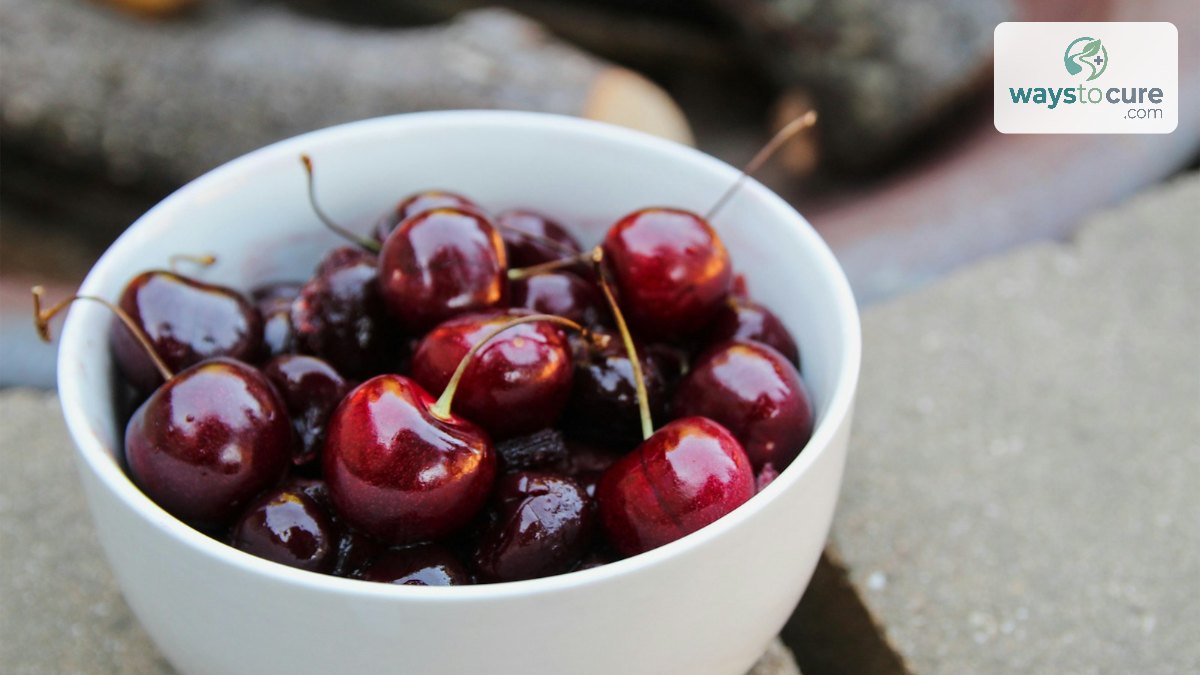
| Cherries | Eating cherries over 2 days was linked to 35% fewer gout attacks in people with gout | One case-crossover study |
| Losing excess weight | Recommended by the ACR for people with gout who are overweight | Guideline recommendation |
| Drinking enough water | Recommended by the NHS for people with gout; dehydration can trigger attacks | Guideline advice |
| Vitamin C supplements | The ACR advises against adding them for gout | Guideline recommendation |
A few honest caveats. The coffee study followed 45,869 men and found the link, but it can’t prove coffee lowers uric acid, and it isn’t a reason to start drinking several cups a day if coffee upsets your sleep, stomach or blood pressure. The cherry study looked at 633 people with gout and compared their diet in the 2 days before an attack with other 2-day periods. It’s interesting, but it’s not a trial, and cherries aren’t a substitute for medicine. Fresh cherries are seasonal and expensive in most of India, so don’t worry if they’re not part of your diet.
If you’re overweight, losing weight steadily also helps your blood pressure, blood sugar and joints. Our guide to losing weight safely has realistic steps.
Uric acid and kidney stones
High uric acid can also form stones in the kidneys. NIDDK advises people with uric acid stones to limit animal protein (especially organ meats), lose weight if they’re overweight, and drink enough fluid; many health professionals suggest six to eight glasses a day unless you have kidney failure.
Signs of a kidney stone include severe pain in the side or back that comes in waves, pain spreading to the groin, and blood in the urine. Our guide to causes and symptoms of kidney stones covers these in more detail, and if you’ve had stones before, see how to eat beetroot safely.
When does high uric acid need medicine?
Lifestyle changes help, but they rarely bring uric acid down enough on their own once gout is established. According to the ACR guideline, doctors strongly recommend uric acid-lowering treatment if you have:
- Tophi (lumps of urate under the skin)
- Joint damage from gout seen on an X-ray
- Frequent gout attacks, defined as two or more a year
If treatment is needed, your doctor may prescribe a medicine such as allopurinol or febuxostat. These are taken every day, even when you have no symptoms, and the dose is adjusted using blood tests. When they’re first started, flares can briefly become more likely, so doctors often add a medicine to prevent attacks for the first few months. Don’t start, stop or change any of these on your own, and don’t take someone else’s tablets.
Your doctor will also check your kidney function, since kidney disease both raises uric acid and affects which dose is safe. Our article on early symptoms of kidney failure lists signs worth mentioning.
When to see a doctor
Book an appointment if:
- You have joint pain and swelling for the first time
- Your uric acid is high on a report and you also have kidney stones, kidney disease, diabetes or high blood pressure
- Your usual gout treatment isn’t working or attacks keep coming back
- You notice hard lumps around your fingers, elbows or ears
Seek urgent medical help, the same day, if you have a hot, swollen, painful joint that’s getting worse and you have a fever, feel hot and shivery, feel sick or can’t eat. The NHS warns this can be a sign of a joint infection, which needs prompt treatment and can look a lot like gout. Severe pain in the side or back with fever or vomiting also needs urgent care. In an emergency in India, call 112.
Frequently asked questions
What is a normal uric acid level?
Ranges vary between labs, so use the one printed on your report. Rheumatologists generally treat a level above 6.8 mg/dL as high, because that’s when urate crystals can start to form.
Can I eat dal and rajma if my uric acid is high?
Yes, in normal amounts. A large study found purine-rich vegetables weren’t linked to a higher risk of gout. Meat, seafood, beer and sugary drinks are the bigger concerns.
Does drinking more water lower uric acid?
Staying well hydrated helps your kidneys clear uric acid and lowers the risk of stones and flares, and the NHS advises it for gout. Water alone won’t fix a very high level, though. If you have heart or kidney failure, ask your doctor how much fluid is safe.
Do I need tablets for high uric acid without symptoms?
Usually not. The ACR guideline advises against starting uric acid-lowering medicine for high uric acid without gout attacks or tophi. Your doctor may still want to treat the causes, such as weight, alcohol or medicines.
Is beer worse than other alcohol for uric acid?
In a large study of men, beer had the strongest link to gout (49% higher risk per daily serving), spirits a smaller one, and moderate wine none. That doesn’t make any drink safe in large amounts, and cutting back on all alcohol helps.
This article is for general information and is not a substitute for advice from a doctor. If you have symptoms or a health condition, please consult a qualified healthcare professional.