
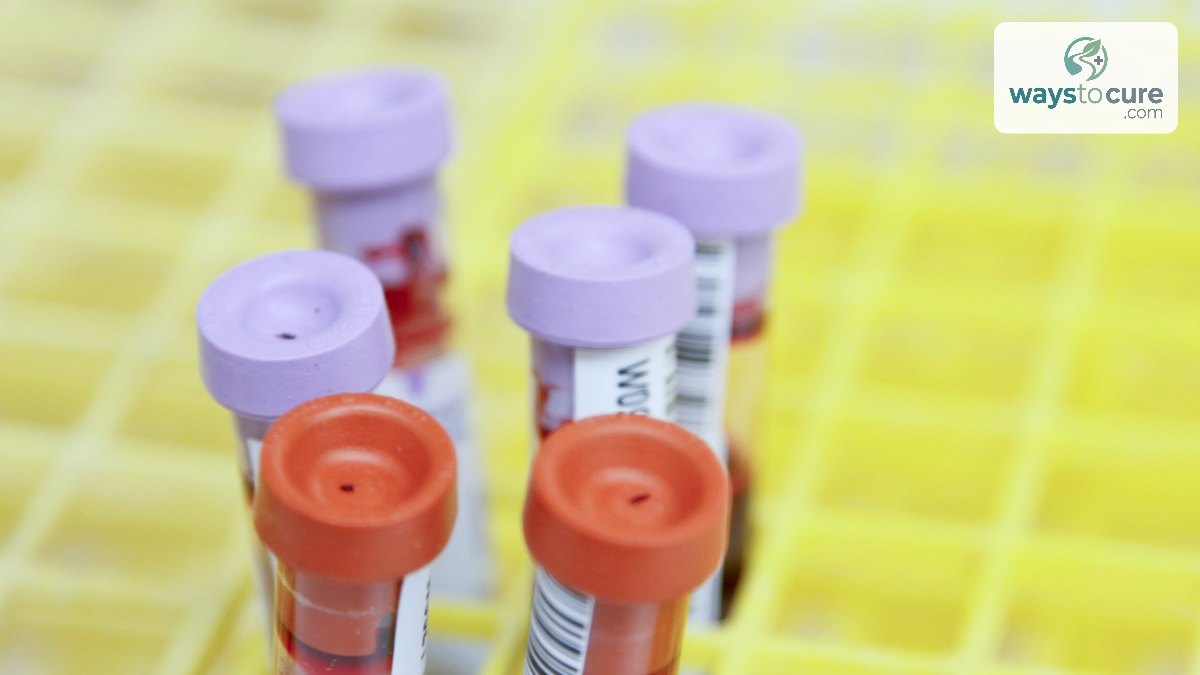
An underactive thyroid (hypothyroidism) means your thyroid gland isn’t making enough hormone, which slows many of your body’s processes and often leaves you tired, cold and heavier than usual. It’s diagnosed with a simple blood test, and it’s treated with a daily hormone tablet, levothyroxine, that most people take for life and that lets them live normally.
No diet, herb or supplement replaces that tablet. Here’s how to read your test report, take your medicine properly, and sort the real diet advice from the myths.
Symptoms of an underactive thyroid
Symptoms usually come on slowly and can be mild, so many people put them down to age, stress or a busy life. The NHS lists these as common signs:
- Extreme tiredness
- Feeling cold when others don’t
- Weight gain
- Constipation
- Low mood or depression, and poor concentration
- Dry skin, dry hair or hair loss
- A hoarse voice
- Irregular or heavy periods
Plenty of other things cause the same symptoms. Constant tiredness, for example, can also come from low vitamin D or regularly sleeping late. That’s why a blood test, not a symptom checklist, is how you find out.
What causes hypothyroidism?
The NHS says the most common cause in the UK is Hashimoto’s disease, an autoimmune condition where the immune system attacks the thyroid. It’s most common in women and usually starts between 30 and 50. Other causes include thyroid surgery, radioactive iodine or radiotherapy to the neck, treatment for an overactive thyroid, some medicines, and a family history of thyroid problems.
Iodine deficiency is another cause. The thyroid needs iodine to make its hormones, and low iodine in pregnancy can harm a baby’s developing brain. That’s why India adopted a policy of universal salt iodisation in 1983, with iodised salt required to contain at least 15 ppm of iodine at the retail level (Indian Journal of Community Medicine, 2010). Cooking with iodised salt is the simple, everyday way to get iodine. Don’t add iodine or kelp supplements on your own: the British Thyroid Foundation advises people with a thyroid condition to avoid kelp and sea moss, which can be very high in iodine.
TSH and free T4: what your report means
Doctors check two numbers. TSH (thyroid-stimulating hormone) comes from the pituitary gland and rises when the thyroid is underactive, because the body is pushing it to work harder. Free T4 is the thyroid hormone itself.
| TSH | Free T4 | What it usually suggests |
|---|---|---|
| High | Low | Underactive thyroid that needs treatment |
| High | Normal | Subclinical (mild) hypothyroidism; may or may not need treatment |
| Low | High | Overactive thyroid |
| Normal | Normal | Thyroid working normally |
Don’t compare your numbers with a range you found online. The British Thyroid Foundation notes that reference ranges vary between laboratories, pregnancy has its own TSH range, and children have different ranges too. Use the range printed on your own report and let your doctor interpret it.
With subclinical hypothyroidism, the BTF says treatment may be considered especially if TSH is above 10 mU/L or if a woman is trying to get pregnant. Mild hypothyroidism can progress over years, and a thyroid antibody test helps show how likely that is.
One practical tip: high-dose biotin, found in many hair and nail supplements, can give false thyroid results. The BTF suggests stopping biotin for two days before a thyroid blood test.
Taking levothyroxine the right way
Levothyroxine replaces the hormone your thyroid isn’t making. It works well, but how you take it matters, because food, drinks and some supplements reduce how much gets absorbed.
- Empty stomach. Take it once a day, 30 to 60 minutes before breakfast (MedlinePlus), with a glass of water.
- Tea and coffee wait. The NHS says to take it 30 to 60 minutes before caffeinated drinks. So your morning chai comes after the tablet, not with it.
- Same time every day. Consistency keeps your levels steady.
- Calcium and iron: 4 hours apart. MedlinePlus advises taking calcium carbonate or iron tablets at least 4 hours before or after levothyroxine. This matters in pregnancy, when many women are on both.
- Soya: 4 hours apart. The BTF says soya interferes with absorption.
- Antacids and other medicines. Tell your doctor or pharmacist about everything you take, including herbal products.
Don’t change your dose yourself or stop the tablet because you feel better. MedlinePlus is clear that you shouldn’t take more or less than prescribed, and that levothyroxine must not be used for weight loss. If you miss a dose, take it when you remember unless it’s nearly time for the next one, and never take two doses together (NHS).
You’ll need regular blood tests to check the dose. The NHS says a dose that’s too high can cause sleep problems, headaches, nausea or diarrhoea, so mention these if they start.
Thyroid and pregnancy
If you have an underactive thyroid and are pregnant or planning a pregnancy, tell your doctor early. The NHS says your levothyroxine dose will likely need adjusting and you’ll need more tests. Untreated hypothyroidism in pregnancy raises the risk of pre-eclampsia, premature birth, miscarriage and birth defects, and treatment usually helps prevent these problems. Levothyroxine itself can be taken in pregnancy when needed.
Diet myths: cabbage, soya, millets and “thyroid diets”
The British Thyroid Foundation says there are no specific foods or dietary supplements that treat a thyroid disorder. Here’s how the common claims hold up.
- Cabbage, cauliflower and broccoli (“goitrogens”). These vegetables can contribute to goitre in some cases, but the BTF says intake would need to be very high before it’s a real concern. A normal serving of sabzi is fine.
- Soya. You don’t need to give it up, but keep it 4 hours away from your tablet.
- Millets (bajra, jowar, ragi). Pearl millet is often blamed for goitre. A 2024 systematic review in Frontiers in Nutrition found only three small human studies, and concluded the evidence isn’t strong enough to say a balanced diet with pearl millet causes goitre in the general population. There’s no good reason to drop millets.
- Special “thyroid diets”. Plans that promise to fix your thyroid don’t have evidence behind them. A varied, balanced diet is what the BTF recommends.
Supplements: selenium and ashwagandha
Selenium. The BTF says the evidence for selenium is mainly in mild thyroid eye disease, not in treating hypothyroidism, and warns that high-dose selenium supplements (above 300 micrograms a day) were linked to higher death rates. Don’t take it without asking your doctor.
Ashwagandha. This herb is widely sold in India for stress and energy. The US National Center for Complementary and Integrative Health says ashwagandha is not recommended for people with thyroid disorders, may interact with thyroid hormone medicines, should be avoided in pregnancy, and has been linked to rare cases of liver injury. If you take it, tell your doctor before your next thyroid test.
When to see a doctor
Book an appointment and ask for a thyroid test if you have:
- Ongoing tiredness, feeling cold, weight gain or constipation without a clear reason
- Low mood, slowed thinking, dry skin or hair loss alongside these
- Heavy or irregular periods along with tiredness
- A family history of thyroid disease and any of the symptoms above
If you’re already on levothyroxine, see your doctor if you become pregnant or plan to, if you start or stop calcium, iron or other regular medicines, or if you get side effects such as poor sleep, headaches or diarrhoea.
Severe, untreated hypothyroidism can rarely lead to myxoedema coma, a life-threatening emergency that’s more common in older people (NHS). If someone with known thyroid disease becomes very drowsy, confused or hard to wake, call 112.
Thyroid problems can go the other way too. If your symptoms are weight loss, a racing heart and feeling hot, read our guide to overactive thyroid symptoms in women.
Frequently asked questions
Is hypothyroidism curable?
Usually not, but it’s very treatable. Most people take levothyroxine for life and, with the right dose, can live a normal life.
Can I take my thyroid tablet with tea?
No. Take it with water on an empty stomach and wait 30 to 60 minutes before tea, coffee or breakfast.
Should people with hypothyroidism avoid cabbage and cauliflower?
No. You’d need to eat very large amounts for them to matter. Normal portions are fine.
Is a TSH of 6 dangerous?
It depends on your lab’s range, your free T4, your symptoms and any pregnancy. A mildly high TSH with normal free T4 may not need treatment straight away. Your doctor will decide whether to treat.
Can I stop levothyroxine once my report is normal?
No. A normal report usually means the dose is working. Stopping will let your levels fall again. Only change or stop it on your doctor’s advice.
This article is for general information and is not a substitute for advice from a doctor. If you have symptoms or a health condition, please consult a qualified healthcare professional.