
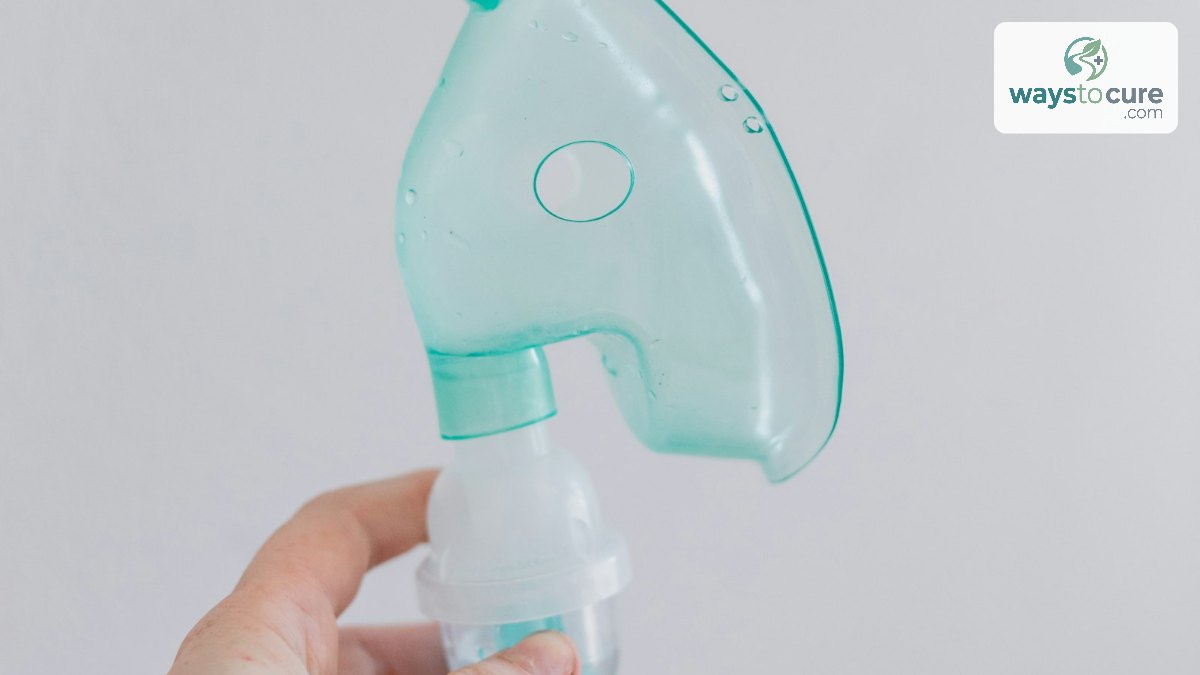
Polluted air can trigger asthma flares in children, and the early signs are easy to miss: a cough that wakes them at night, getting breathless sooner at play, or needing their reliever inhaler more often. The danger signs are different and need action straight away. If your child is too breathless to talk, the skin between their ribs sucks in with each breath, or their lips look blue, call 112.
This guide covers why children are more affected, how to tell a mild flare from an emergency, how to make school and outdoor play decisions using India’s AQI bands, and what to do while help is on the way.
Why pollution hits children harder
The World Health Organization gives three plain reasons. Children breathe more rapidly than adults and so absorb more pollutants. They’re shorter, so they live closer to the ground, where some pollutants reach their highest levels. And all this happens while their lungs, brains and bodies are still developing. WHO also notes that air pollution can trigger asthma.
Add the way children live: running in the school ground, walking or cycling along busy roads at rush hour, playing outside till dusk. On a smoggy November evening that adds up to a lot of dirty air per kilogram of body weight.
Early signs that asthma is flaring
Most flares build over hours or days. Catching them early gives you time to follow your child’s action plan and call the doctor before things get serious. Watch for:
- Night cough. MedlinePlus notes that a cough that sometimes wakes the child at night can be the only sign of asthma.
- Wheeze. A whistling sound, often louder when breathing out.
- Getting tired or breathless at play sooner than their friends, or stopping games they usually enjoy.
- Out of breath after laughing or crying, or having trouble playing, talking or eating.
- Chest tightness, or your child saying breathing feels hard.
- Using the reliever more often than their action plan expects.
A cough can also come from a cold, flu or H1N1, which are common in the same months. If your child has fever with breathing symptoms, mention both to the doctor.
Signs of breathing distress
These are the signs that a child is working hard to breathe. Asthma + Lung UK, a UK lung charity, lists most of them as reasons to call for emergency help.
| What you might see | What it looks like at home |
|---|---|
| Chest retractions | The skin and muscles under or between the ribs suck in with each breath. Lift the shirt to check. |
| Can’t speak in sentences | Too breathless to talk, eat or drink; stops mid-sentence to breathe. |
| Nostril flaring | Nostrils widen in and out with every breath. |
| Blue or grey colour | Lips, tongue or inside of the mouth look blue or grey. On brown skin, check the gums, inside the eyelids, palms and soles. |
| Drowsy or floppy | Hard to wake, won’t stay awake, or confused. |
| Posture and noises | Sitting hunched forward with shoulders raised, grunting with each breath, wheezing that keeps getting louder. |
MedlinePlus lists similar signs of respiratory distress: chest muscles pulling in with each breath, a grunting noise, flared nostrils, a bluish or greyish colour around the lips, and sitting with shoulders hunched over. One thing parents miss: a child who goes quiet and stops wheezing isn’t always getting better. If they’re also tired, pale or struggling, treat it as worse, not better.
School and outdoor play: decisions by AQI
India’s National Air Quality Index, run by the Central Pollution Control Board, has six bands. The official health statements below come from the government’s AQI announcement. The right-hand column is a practical way to use them for a child with asthma. Check it against your own doctor’s advice, since every child’s asthma is different.
| AQI (category) | Official likely health impact | For a child with asthma |
|---|---|---|
| 0 to 50 (Good) | Minimal impact | Normal play and sport |
| 51 to 100 (Satisfactory) | Minor breathing discomfort to sensitive people | Normal activity; keep the reliever handy |
| 101 to 200 (Moderately polluted) | Breathing discomfort to people with lung disease such as asthma, and discomfort to children and older adults | Shorten long, hard outdoor sessions; watch for early signs |
| 201 to 300 (Poor) | Breathing discomfort on prolonged exposure | Move sports practice and PE indoors where possible |
| 301 to 400 (Very poor) | Respiratory illness on prolonged exposure; worse in lung and heart disease | Avoid outdoor exercise; keep outdoor time short |
| 401 to 500 (Severe) | Respiratory impact even on healthy people; effects possible even during light physical activity | Stay indoors as much as possible; ask your doctor if they want any change to the action plan |
A few practical points for the school season:
- Check the AQI for your area in the morning and again before evening play, since it changes through the day.
- Give the school a copy of your child’s asthma action plan, and make sure the reliever and spacer are in the school bag, not at home.
- Tell the class teacher and PE teacher which early signs to watch for and who to call.
- On bad days, swap running and football for calmer indoor activities rather than banning play completely.
At home, keeping the bedroom air as clean as you can helps too; our guide on protecting your lungs at home when the AQI is above 300 explains the simple steps.
Inhalers and spacers: follow the action plan
Every child with asthma should have a written asthma action plan from their doctor. It tells you which medicine to give, how much, and when to seek help. MedlinePlus says you and your child’s doctors should work together as a team to create and carry out that plan. If your child doesn’t have one, ask for it at the next visit, before the smog peaks.
Some basics to check with your doctor or pharmacist:
- Spacer. MedlinePlus advises that children who use an inhaler should use a spacer, which helps the medicine reach the lungs properly. Ask which type (face mask or mouthpiece) suits your child’s age.
- Technique. Ask the doctor or pharmacist to watch your child use the inhaler and spacer and correct any mistakes.
- Preventer vs reliever. Know which inhaler is which and don’t stop a preventer because your child seems well, unless the doctor tells you to.
- Doses. Don’t change doses on your own, and don’t borrow another child’s inhaler or dose.
Home remedies like steam or honey-based cough syrups may soothe a cold-related cough (see our guide to homemade cough syrup for kids), but they don’t treat an asthma flare and shouldn’t delay the reliever.
What to do during an asthma attack
- Stay calm, reassure your child and keep them sitting upright.
- Give the reliever inhaler through the spacer exactly as the action plan says.
- Stay with them and watch their breathing, colour and alertness.
- If they’re not improving after following the plan, or they get worse at any point, call 112 or go to the nearest hospital emergency department.
- Take the inhaler, spacer and action plan with you.
NHS guidance for parents in West Yorkshire also advises contacting a doctor the same day if a child needs increased doses of their inhaler for more than 2 to 3 days, even if they don’t look very unwell.
Go to hospital (call 112) if…
- Your child is too breathless to talk, eat or drink
- You can see the muscles under the ribs sucking in with each breath
- Lips, tongue or the inside of the mouth look blue or grey, or the skin is pale, mottled or unusually cold
- They’re drowsy, floppy, confused or hard to wake
- Breathing has pauses or stops
- They have a fit (seizure)
- They aren’t improving despite using the inhaler according to the action plan
Don’t wait to see if it settles. Call 112, or go straight to the nearest emergency department if that’s faster.
See your doctor soon if…
- Night cough or wheeze appears on several nights a week
- The reliever is needed more often than usual, or doesn’t last as long
- Your child is missing school, sport or sleep because of breathing symptoms
- Symptoms come back every smog season, which may mean the preventer plan needs a review
For a broader look at the condition, read our overview of asthma symptoms and precautions.
Frequently asked questions
Can air pollution cause asthma in a healthy child?
Pollution is best known for triggering flares in children who already have asthma. If your child has a recurring cough or wheeze each winter, ask the doctor to assess for asthma rather than treating each episode as a cold.
Should my asthmatic child wear an N95 mask to school?
Masks and respirators shouldn’t be worn by children younger than 2, and many N95s are too big for small faces. For older children, ask your doctor first, as a tight mask makes breathing harder. Cutting outdoor exertion on bad days usually matters more. Our guide on whether N95 masks work against pollution covers fit and children’s sizes.
Should I keep my child home on high-AQI days?
Not automatically. Indoor classes are usually fine. The bigger concern is outdoor sport and long walks along busy roads when the AQI is Poor or worse. Follow any school closure orders issued in your city.
My child stopped wheezing. Does that mean the attack is over?
Not always. A review of emergency asthma care in children notes that the loudness of a wheeze doesn’t match how blocked the airways are, and that a “silent chest” is an ominous sign. If your child is quieter but still struggling, drowsy, pale or blue, call 112.
Is a nebuliser better than an inhaler with a spacer?
Use whatever your child’s doctor has prescribed. Don’t switch devices or doses during an attack unless the action plan says so.
This article is for general information and is not a substitute for advice from a doctor. If you have symptoms or a health condition, please consult a qualified healthcare professional.