
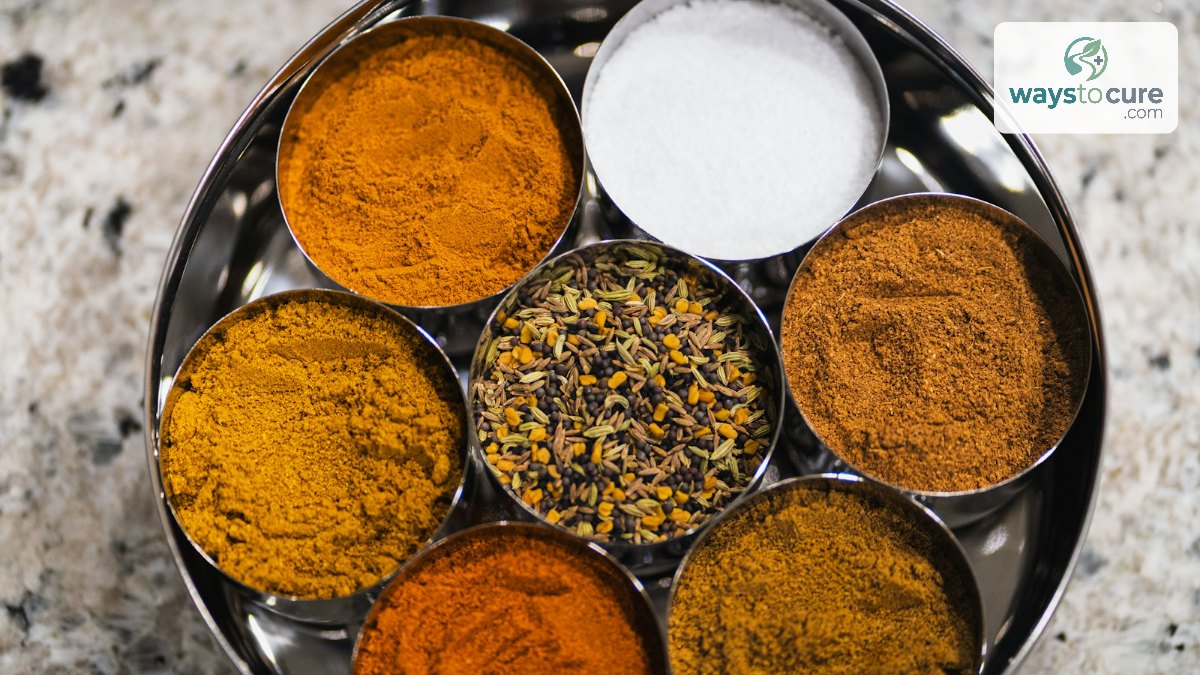
A few herbs and spices, including fenugreek (methi), cinnamon and berberine, have modest effects on blood sugar in trials, but none of them replaces diabetes medicine, and most of the studies are small or low quality. Others, like bitter gourd (karela), gymnema (gurmar) and jamun seed, have even less solid evidence. If you take diabetes medicines, adding a strong herbal supplement can push your sugar too low, so talk to your doctor first.
Here’s an honest look at the herbs Indian families most often try, what the research shows, and how to use them without getting into trouble.
The short answer, herb by herb
| Herb or spice | What studies show | Main cautions |
|---|---|---|
| Fenugreek (methi seeds) | Small drops in fasting sugar and HbA1c in people with diabetes; most trials low quality | Can add to the effect of diabetes medicines |
| Cinnamon (dalchini) | Lowered fasting sugar in a meta-analysis, but no clear effect on HbA1c | Cassia cinnamon contains coumarin, which can harm the liver in large amounts |
| Berberine | The best-studied supplement here; lowered HbA1c by about 0.6% in a meta-analysis | Interacts with some medicines; avoid in pregnancy and breastfeeding |
| Bitter gourd (karela) | A Cochrane review found insufficient evidence | Fine as a vegetable; concentrated juices and capsules are a different matter |
| Gymnema (gurmar) | No good-quality trials we could find | Product strength varies; tell your doctor if you use it |
| Jamun seed powder | Good-quality human trials are scarce | Same low-sugar risk with medicines |
Fenugreek (methi)
Methi seeds are rich in soluble fibre, which slows how fast sugar enters the blood. A 2014 meta-analysis in Nutrition Journal pooled 10 trials and found fenugreek lowered fasting blood sugar by about 0.96 mmol/L (roughly 17 mg/dL) and HbA1c by 0.85%, though the HbA1c figure came from only 3 trials. The effect showed up mainly in people with diabetes taking medium or high doses. The authors noted that most trials were of low methodological quality.
Soaking a teaspoon of methi seeds overnight, or adding methi to dal and sabzi, is a reasonable food habit. If you’re on insulin or sulfonylureas (such as glimepiride or gliclazide), check your sugar more often when you start, and tell your doctor. Our comparison of ajwain water and methi water covers the drink version.
Cinnamon (dalchini)
A 2013 meta-analysis in Annals of Family Medicine of 10 trials (543 people with type 2 diabetes) found cinnamon lowered fasting glucose by about 25 mg/dL, but had no significant effect on HbA1c, which is the number that matters most over time. The trials varied a lot, and the authors said this limits how far the results can be applied.
The bigger issue is safety. Cinnamon comes in two main kinds: cassia and Ceylon (“true”) cinnamon. Germany’s Federal Institute for Risk Assessment (BfR) has warned that cassia contains coumarin, which can damage the liver when taken in large amounts, and that cinnamon capsules sold for diabetes can push intake above the safe daily limit. Ceylon cinnamon contains very little coumarin. A pinch in your tea or food is fine; daily capsules or spoonfuls are not something to start without your doctor, especially if you have liver disease.
Berberine
Berberine is a compound found in several plants, including barberry. It’s sold as a capsule, not used as a kitchen spice. Of the supplements here, it has the most trial data. A 2022 meta-analysis in Frontiers in Pharmacology of 37 trials (3,048 patients) found berberine lowered HbA1c by about 0.63 percentage points. The authors rated the evidence as moderate and pointed out that the trials were mostly from China, with short durations and uneven quality.
According to the US National Center for Complementary and Integrative Health (NCCIH), berberine should be avoided during pregnancy and breastfeeding, should never be given to infants, and may interact with some medicines. Because it lowers sugar, combining it with diabetes medicines without supervision can cause lows.
Bitter gourd (karela)
Karela juice is probably the most popular home remedy for diabetes in India. Yet a Cochrane review of 4 trials (479 people) concluded there is insufficient evidence on its effects in type 2 diabetes. Eating karela as a vegetable is healthy and low in calories. Drinking large glasses of concentrated juice every morning, or taking karela capsules on top of medicines, isn’t backed by good evidence and adds to the risk of low sugar.
Gymnema and jamun
Gymnema sylvestre, known in India as gurmar, is used in Ayurveda and sold in many diabetes blends. The NCCIH notes that research on herbal supplements for diabetes hasn’t proven any of them effective, and we couldn’t find good-quality trials for gymnema. Since product strength varies, tell your doctor if you take it.
Jamun fruit and seed powder are another favourite, but good-quality human trials are scarce. Our detailed guide to jamun nutrition and diabetes facts covers what’s known.
The real risk: low blood sugar and hidden harms
Herbs that lower sugar can stack with medicines that do the same. The NHS page on low blood sugar defines it as usually below 4 mmol/L (about 72 mg/dL) and lists warning signs: sweating, shaking, hunger, a racing heartbeat, dizziness, blurred vision and confusion. Severe lows can cause seizures or loss of consciousness.
The NCCIH also stresses three points:
- Never replace diabetes treatment with an unproven product. Uncontrolled sugar silently damages the eyes, kidneys, nerves and heart.
- Supplements can interact with medicines and with each other.
- Diabetes is the leading cause of kidney disease, so people with kidney problems need extra care with any supplement.
Watch out for “ayurvedic diabetes cure” products that promise you can stop insulin or metformin. Our guide to supplement and medicine interactions explains what to ask your pharmacist.
A safe way to try a herb
- Tell your doctor which herb, in what form and how much, before you start.
- Prefer food forms (methi in dal, a pinch of cinnamon) over concentrated capsules.
- Start one thing at a time, so you can tell what’s having an effect.
- Check your sugar at home more often in the first two weeks, especially before meals and at bedtime.
- Keep taking your prescribed medicines. Never stop them because your readings look better.
- Recheck HbA1c after about 3 months to see if anything has really changed.
- Stop and see your doctor if you get stomach pain, yellow eyes or skin, rashes or frequent lows.
Food choices still matter most. Our guide to good and bad carbs is a good place to start.
When to see a doctor
Book an appointment if:
- you want to start any herbal supplement while on diabetes medicines
- your home readings drop below 4 mmol/L (about 72 mg/dL) or you get repeated lows
- your fasting readings stay high despite medicines and diet
- you have liver or kidney disease, are pregnant or breastfeeding
Call 112 or go to hospital if someone with diabetes is confused, drowsy, having a seizure or unconscious. Don’t give food or drink to someone who is unconscious. Also get urgent care for yellowing of the eyes or skin with dark urine, or for vomiting, deep fast breathing and very high readings.
Frequently asked questions
Can herbs cure diabetes?
No. Some herbs may lower blood sugar slightly, but none has been shown to cure diabetes or replace medicines.
Is methi water good for diabetes?
Fenugreek has modest evidence for lowering fasting sugar, but most trials were low quality. It’s fine as part of food; check with your doctor before taking large amounts with medicines.
Which cinnamon is safer, cassia or Ceylon?
Ceylon cinnamon contains very little coumarin, while cassia has much more. Small amounts in food are fine; avoid high-dose cassia capsules.
Can I take berberine with metformin?
Ask your doctor first. Berberine lowers blood sugar and may interact with some medicines, so your doctor may want to adjust your plan or monitoring.
Is karela juice safe every day?
Eating karela as a vegetable is fine. There isn’t enough evidence that daily juice helps diabetes, and on top of medicines it may raise the risk of low sugar.
This article is for general information and is not a substitute for advice from a doctor. If you have symptoms or a health condition, please consult a qualified healthcare professional.