There’s no tablet, kadha or powder that switches your immune system to “strong”, but a handful of everyday habits do cut how often you fall ill. Washing hands with soap, staying up to date on vaccines, sleeping at least seven hours, keeping active, not smoking, and eating safe food and water have the best evidence behind them.
None of these is new, which is partly why they get ignored. Here’s what each one actually does, with the numbers where we have them, and what to skip.
Wash your hands properly, at the right times
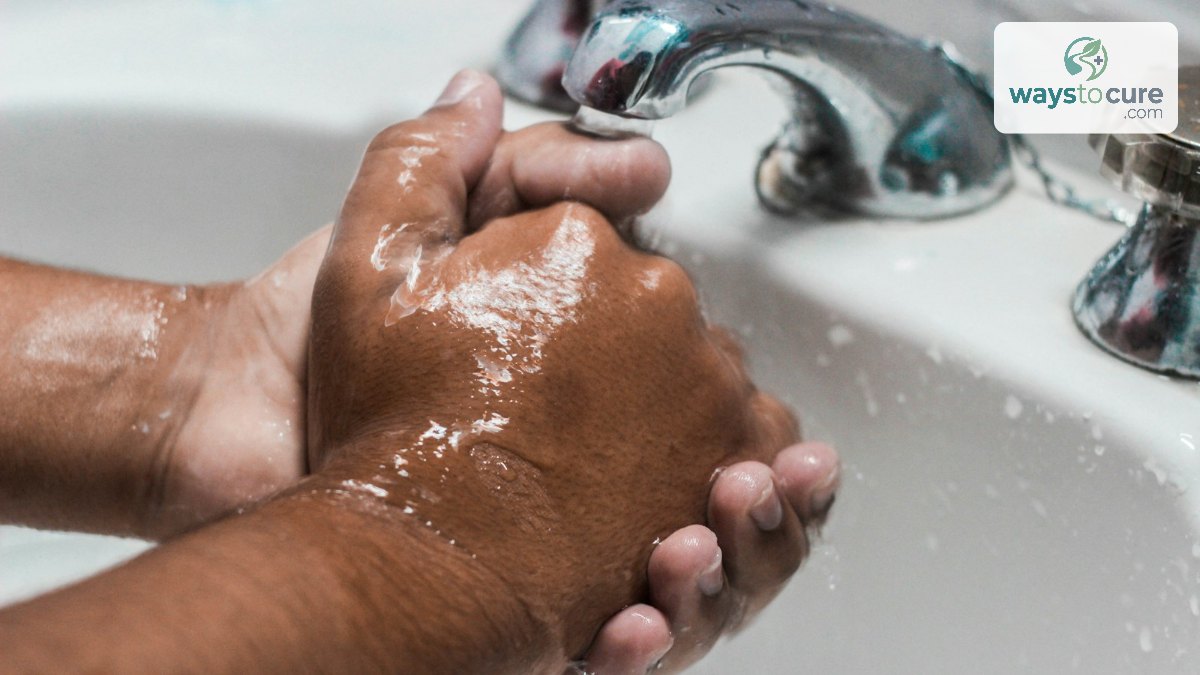
Most colds, flu and tummy bugs reach you through your hands: you touch a door handle, a phone or someone else’s hand, then your mouth, nose or eyes. According to the US Centers for Disease Control and Prevention (CDC), handwashing education in communities reduces diarrhoeal illness by 23 to 40% and respiratory illnesses such as colds by 16 to 21%.
The CDC’s method is simple: wet your hands, lather with soap including between the fingers and under the nails, scrub for at least 20 seconds, rinse under running water and dry with a clean towel. Wash:
- Before cooking and before eating
- After using the toilet or changing a nappy
- After blowing your nose, coughing or sneezing
- Before and after caring for someone who is ill
- After handling animals, animal waste or garbage
Hand sanitiser is a backup for when there’s no soap and water. The CDC says to choose one with at least 60% alcohol.
Keep your vaccines up to date
Vaccines are the most direct way to avoid specific infections. Children in India get free vaccines under the Universal Immunisation Programme, so check your child’s card against the schedule at each visit.
Adults often forget they need vaccines too. The World Health Organization recommends a yearly flu vaccine for:
- Pregnant women
- Children aged 6 months to 5 years
- People over 65
- People with long-term conditions such as diabetes, heart, lung or kidney disease
- Health workers
Ask your doctor which other adult vaccines suit you, based on your age, health and job. Our article on flu season covers timing and what else helps.
Sleep at least seven hours
Sleep is one of the better-studied habits here. In a 2015 study in the journal Sleep, 164 healthy adults had their sleep tracked with wrist monitors for a week and were then given cold-virus nasal drops. People who slept less than 5 hours, or 5 to 6 hours, a night were about four times more likely to develop a cold than those who slept more than 7 hours. Those sleeping 6 to 7 hours were not at clearly higher risk.
Adults need at least seven hours. If late nights have become your normal, our post on the effects of sleeping late has practical ways to shift your bedtime.
Stay active most days
Regular moderate exercise is linked to fewer and milder colds. In a study of 1,002 adults followed through autumn and winter, those who did aerobic exercise on five or more days a week had 43% fewer days with cold symptoms than people who were mostly sedentary, and their symptoms were less severe. This was an observational study, so it shows a link rather than proof, but it fits with the other health benefits of exercise.
Brisk walking, cycling, swimming, yoga or playing a sport all count. Aim for 30 minutes on most days, and build up slowly if you’re starting from nothing.
Don’t smoke, and keep smoke away from children
The CDC lists problems of the immune system among the diseases caused by smoking, and says children exposed to second-hand smoke are at higher risk of respiratory and ear infections. That includes bidi and hookah smoke, and smoke from someone else’s cigarette in a closed room or car.
Quitting helps at any age. In India, the National Tobacco Quit Line is 1800 112 356 (toll free), and your doctor can discuss nicotine replacement or medicines.
Eat safe food and drink safe water
Contaminated food and water are a major source of tummy bugs, typhoid and hepatitis A. The WHO’s Five Keys to Safer Food are:
- Keep clean (hands, surfaces, utensils)
- Separate raw and cooked food, especially raw meat and fish
- Cook thoroughly
- Keep food at safe temperatures (refrigerate leftovers promptly)
- Use safe water and raw materials (wash fruit and vegetables you’ll eat raw)
In practice: boil or filter drinking water, be careful with cut fruit and chutneys from street stalls in the monsoon, and don’t leave dal or rice sitting out for hours. Our guide to causes of diarrhoea covers the common culprits.
Habits at a glance
| Habit | What the evidence shows | Simple target |
|---|---|---|
| Handwashing with soap | 23 to 40% less diarrhoea, 16 to 21% fewer colds (community programmes) | 20 seconds, at key times |
| Vaccines | Prevent specific diseases such as flu | Yearly flu shot if you’re in a risk group |
| Sleep | Under 6 hours linked to about 4 times the cold risk | 7 hours or more |
| Exercise | 43% fewer cold days in the most active group | 30 minutes, 5 days a week |
| Not smoking | Smoking harms the immune system; second-hand smoke raises infections in children | No smoking indoors or near children |
| Safe food and water | Cuts the risk of food- and water-borne infections | Boiled or filtered water, WHO Five Keys |
“Immunity boosters”: what doesn’t work
High-dose vitamin C. A Cochrane review of 29 trial comparisons with over 11,000 people found that taking vitamin C regularly did not reduce how often ordinary people caught colds. It slightly shortened colds (by about 8% in adults), and starting it after a cold began made no consistent difference. The exception was people under heavy physical stress, such as marathon runners and soldiers in extreme cold.
Antibiotics “just in case”. The NHS is clear that antibiotics do not work for viral infections such as colds, flu and most coughs. Taking them anyway adds side effects and helps breed resistant bacteria.
Packaged “immunity” drinks, powders and kadha mixes. Labels that promise a stronger immune system rarely have trials in people behind them. Many herbal mixes also interact with medicines; see our guide to supplement interactions before you add them to blood thinners, diabetes or blood pressure tablets.
A varied diet with plenty of dal, vegetables, fruit, nuts and milk gives your body what it needs. A true deficiency, such as low vitamin D, B12 or iron, should be confirmed with a blood test and treated by a doctor rather than guessed at.
When to see a doctor
Some people fall ill often for reasons habits can’t fix. See a doctor if:
- You get more infections than people around you, or they take much longer to clear
- You have repeated pneumonia, sinus infections, boils or thrush
- A cough that won’t go away, especially with weight loss, night sweats, fever or blood in the phlegm (you may need a TB test)
- You have unexplained weight loss, fevers or constant tiredness
- You have diabetes and keep getting skin, urine or chest infections, which can mean your sugar control needs review
Call 112 or go to the emergency department for difficulty breathing, chest pain, confusion, or a high fever with a stiff neck or a new rash.
Frequently asked questions
Can I boost my immune system quickly?
Not with a product. What helps is steady: good sleep, regular activity, a varied diet, vaccines and not smoking. These work over weeks and months, not overnight.
Does chyawanprash or kadha prevent colds?
There’s no good-quality evidence that they stop you catching colds. If you enjoy them, small amounts are unlikely to harm most people, but don’t rely on them instead of vaccines or hygiene, and check with your doctor if you take regular medicines.
Is hand sanitiser as good as soap?
Soap and water is better in most situations, according to the CDC. Use a sanitiser with at least 60% alcohol when you can’t wash.
How many colds a year is normal for an adult?
The CDC says adults average two to three colds a year, and children often get more. What matters is whether infections are unusually frequent, severe or slow to clear.
Do vitamin supplements help if I eat well?
For most healthy people eating a varied diet, routine supplements don’t prevent infections. Take them only if a doctor finds a deficiency or you’re in a group that needs them, such as pregnant women.
This article is for general information and is not a substitute for advice from a doctor. If you have symptoms or a health condition, please consult a qualified healthcare professional.