If you or someone at home has asthma or COPD, the safest Diwali plan is simple: check your inhalers and action plan before the festival, stay indoors with windows shut on the night itself, and keep firecracker smoke, incense and frying fumes away from your lungs. Know the difference between a flare you can manage at home and an attack that needs 112, and agree on it as a family before the first cracker goes off.
This checklist is for adults with asthma or COPD and for the people who live with them. If your child has asthma, read our guide to pollution and asthma in children as well, since it covers the warning signs that are specific to kids.
Why Diwali night is hard on asthma and COPD
Diwali falls in a season when the air in much of north India is already poor, so the smoke from crackers lands on top of an existing problem. Our explainer on what to do when the AQI is above 300 covers the bands and what they mean for your lungs.
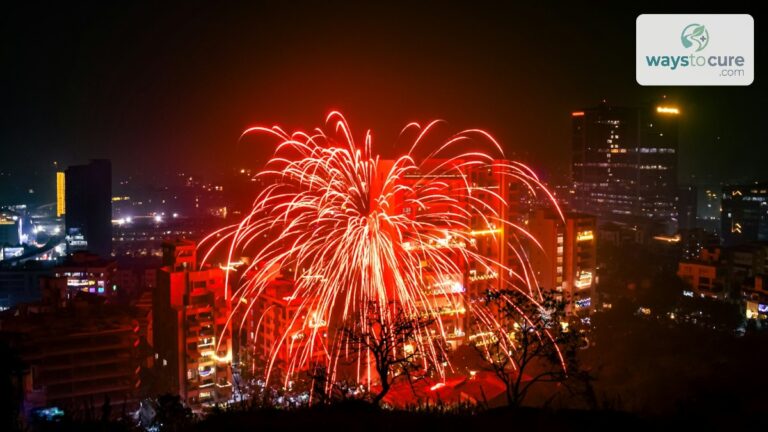
The bigger risk is close-up smoke. A study published in Lung India measured the fine particles (PM2.5) a person breathes in while burning six common firecrackers. The peak readings were about 64,500 µg/m³ for snake tablets, 38,540 for a 1,000-cracker garland (ladi), 28,950 for pulpuls, 10,390 for sparklers (phuljhadi), 9,490 for ground spinners (chakri) and 4,860 for flower pots (anar). These were short peaks measured as personal exposure, close to the person lighting the cracker. The authors concluded that burning firecrackers produces extremely high personal exposure to PM2.5. Even the “smaller” crackers like sparklers and anar put a lot of smoke at face level.
Indoors, the triggers are quieter but add up. An NHS guide to indoor asthma triggers lists candles and incense sticks among things that can set off asthma, and notes that cookers give out fumes, with gas cookers producing the most. Diwali week usually means extra agarbatti, dhoop, diyas and a lot of frying.
Before Diwali: a one-week checklist
Do these by Dhanteras or Choti Diwali, while pharmacies and clinics are open normally.
| Check | What to do |
|---|---|
| Reliever doses left | Look at the dose counter on each inhaler. If it’s low, or the inhaler has no counter and you can’t remember when it was started, buy a new one now. Keep one spare. |
| Preventer | Keep taking it every day as prescribed, even if you feel fine. Don’t stop it before the festival. |
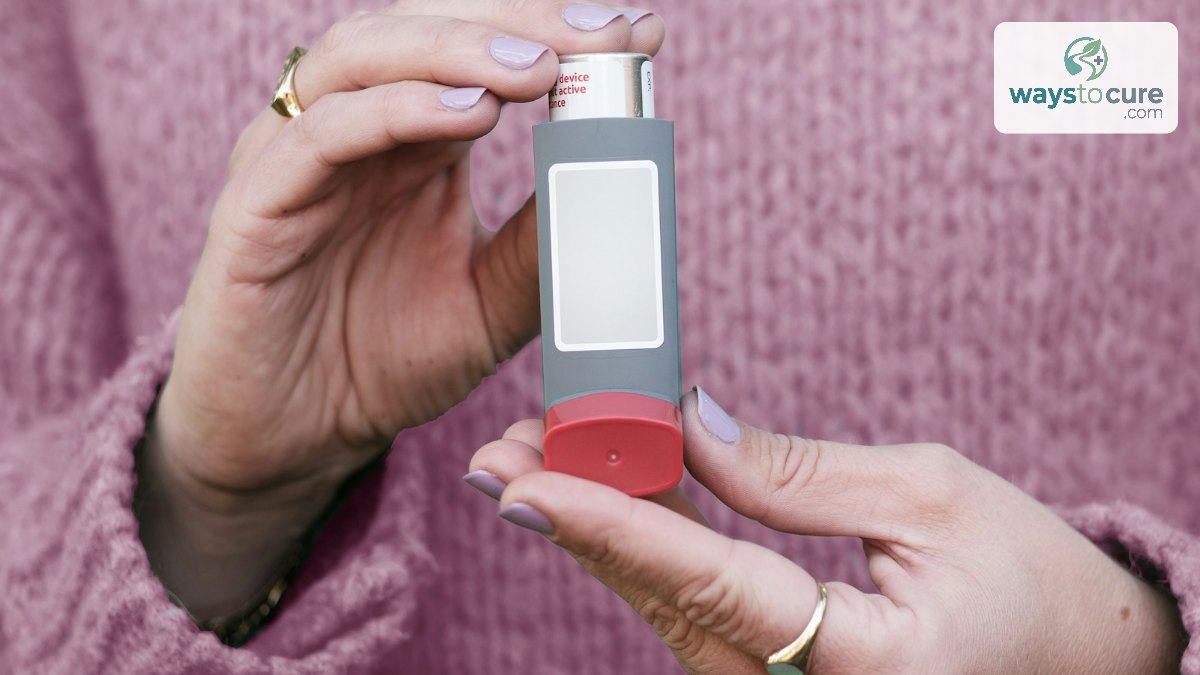
| Spacer | Find it, wash it as the instructions say, and keep it with the reliever. Spacers help the medicine reach the lungs during an attack. |
| Action plan | Read your written asthma or COPD plan again. Note your maximum reliever dose and when it says to get help. If you don’t have one, ask your doctor this week. |
| COPD rescue pack | If your doctor has given you steroid or antibiotic tablets to keep at home, check they’re in date and that you know when to start them. |
| Doctor review | Book one before the festival if you’ve been using your reliever more than usual, waking at night with cough or wheeze, or had a flare in the last few weeks. |
| Clean-air room | Pick one room, ideally the bedroom away from the street, and set up an air purifier there. Our air purifier buying guide explains CADR and room size. |
| Masks | Keep a few well-fitting N95 respirators for any trip outside. Read whether N95 masks work against pollution first, as they can feel hard to breathe through if your lung disease is moderate or severe. |
| Phone numbers | Save 112, your doctor’s number and the nearest hospital emergency department in everyone’s phone. |
NHS advice for people with COPD is to keep enough medicine in case symptoms get worse, and to avoid smoke, dusty places and strong fumes. Diwali week is exactly when you’d want that spare stock.
On the night: how to keep the smoke out
- Stay indoors from dusk, when most crackers are burst, until late morning the next day. Smoke hangs low on still winter nights.
- Close windows and doors on the side facing the street or the building’s cracker spot. Stuff a towel under a balcony door if smoke seeps in.
- Use the clean-air room. Run the purifier on high from early evening with the door shut. Sleep there.
- Don’t stand near sparklers or anar. Let someone without lung disease light them, and watch from a closed window. Skip snake tablets entirely; in the Lung India study they gave off the most smoke of all.
- Go easy on agarbatti and dhoop. Light one stick for puja in a ventilated spot, away from where you sit, and put it out after. Fewer diyas in the room you breathe in most.
- Manage cooking smoke. Use the kitchen exhaust or chimney while frying, keep the kitchen door shut, and let someone else handle the deep-frying of puris and pakoras.
- Keep the reliever and spacer in your pocket, not in a drawer in another room.
- Avoid cigarette and bidi smoke from guests. Ask them to step out and away from the house.
If you have to go out, keep it short, wear an N95, and avoid lanes where crackers are being burst.
Is it a flare or an attack?
A flare builds over hours or days; an attack is when symptoms become severe. This table is a rough guide. Your own action plan comes first.
| Sign | Flare (act early, follow your plan) | Attack (act now) |
|---|---|---|
| Breathing | Breathless on walking or climbing stairs | Breathless at rest, hard to breathe at all |
| Speech | Talking normally | Can’t finish a sentence |
| Reliever | Needed more often than usual but still helps | Not helping, or relief lasts only minutes |
| Cough and wheeze | More cough, wheeze or chest tightness, worse at night | Severe tightness; wheeze may get quieter as breathing gets weaker |
| Colour and alertness | Normal | Lips or skin pale or blue, confused or drowsy |
What to do during an asthma attack
The NHS gives these steps for an asthma attack:
- Sit up straight and try to keep calm. Don’t lie down.
- Take 1 puff of your reliever inhaler (usually blue) every 30 to 60 seconds, up to 10 puffs. Shake it between puffs and use a spacer if you have one.
- If you use a combined preventer-reliever inhaler (sometimes called MART or AIR), the NHS advice is 1 puff every 1 to 3 minutes, up to 6 puffs.
- If your action plan gives a different maximum, follow your plan.
- Call 112 if you feel worse at any point, you don’t feel better after the maximum dose, or you don’t have your inhaler.
- If help hasn’t arrived after 10 minutes and you’re still struggling, repeat the reliever doses.
Don’t drive yourself to hospital. Get someone else to take you, or wait for the ambulance. Even if the attack settles, the NHS advises seeing your doctor within 2 days so your treatment can be reviewed.
COPD flare-up: what’s different
COPD flare-ups often show up as a change in your usual pattern. Asthma + Lung UK lists the common signs of a COPD flare-up: more breathless than usual, coughing more, more phlegm, or phlegm that changes colour. Some people also notice more wheeze, unusual tiredness, swollen ankles or confusion.
Follow your COPD self-management plan. If you have a rescue pack, start it as your doctor told you and let them know you’ve used it. If you’re not getting better, or you have any of the emergency signs below, don’t wait until after the holiday.
Call 112 if…
- Breathing is very hard, or you’re gasping or can’t speak in sentences
- The reliever isn’t working, or you’ve reached the maximum dose and aren’t better
- Lips, tongue or skin look very pale, grey or blue (on brown skin, check the lips, gums and palms)
- Sudden confusion, drowsiness, or the person is hard to wake
- The chest feels tight or heavy, or pain spreads to the arms, back, neck or jaw
- You’re worse at any time, even after treatment
Take the inhalers, spacer, action plan and a list of medicines with you. If an ambulance will take longer than getting there by car, have someone else drive you to the nearest emergency department.
See your doctor within a day or two if…
- You had an asthma attack, even one that settled at home
- You’re using the reliever more than usual for more than a day or two after Diwali
- Night cough or wheeze keeps waking you
- COPD phlegm has changed colour or you needed your rescue pack
For a broader look at the condition, see our overview of asthma symptoms and precautions.
Frequently asked questions
Are “green crackers” safe for someone with asthma?
They still produce smoke. Treat them like any other cracker: don’t stand close, and watch from indoors if your asthma or COPD isn’t well controlled.
Can I light a diya or agarbatti for puja?
Yes, in moderation. Light it in a ventilated spot away from where you sit, keep the number small, and put out incense once puja is done.
Should I increase my preventer dose before Diwali?
Only if your doctor or action plan tells you to. If your asthma has been worse lately, book a review before the festival rather than adjusting doses yourself.
How long does the smoke last after Diwali?
It varies with wind and weather. Smoke often lingers into the next morning, so keep windows closed until the AQI in your area improves.
Is a nebuliser better than an inhaler with a spacer during an attack?
Use what your doctor has prescribed. An inhaler with a spacer works well for most people, and you shouldn’t delay treatment while setting up a machine.
This article is for general information and is not a substitute for advice from a doctor. If you have symptoms or a health condition, please consult a qualified healthcare professional.