A single loud cracker burst close by can damage hearing instantly, and babies, young children and older adults are the people to protect most. Keep them well back from where crackers are lit, use earmuffs for small children, and treat sudden hearing loss after a blast as an emergency that needs a doctor the same day.
Diwali is on Sunday, 8 November this year, and in most Indian neighbourhoods the bursting runs over several evenings. Here’s what the noise actually does to ears, and what you can do about it.
How loud are firecrackers?
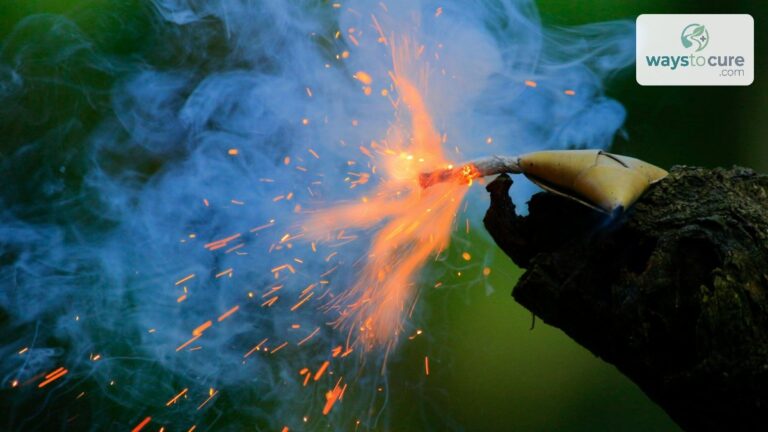
Indian law sets a ceiling. Crackers that make more than 125 dB(AI), or 145 dB(C) at peak, measured 4 metres from where they burst, can’t be made, sold or used. For a joined string of crackers (a “lari”), the limit is lower and drops further the more crackers are joined. The Press Information Bureau summarised these rules, set out in the Environment (Protection) Rules, when the Supreme Court enforced them. The same order bars crackers between 10 pm and 6 am, and at any time within 100 metres of hospitals, schools, courts and religious places.
That 125 dB is measured at 4 metres. A child standing right next to a bomb or holding an anar is much closer than that.
Compare those numbers with the safe-listening limits from the World Health Organization:
| Sound level | Safe listening time per week (WHO) |
|---|---|
| 80 dB | 40 hours |
| 85 dB | 12 hours 30 minutes |
| 90 dB | 4 hours |
| 95 dB | 1 hour 15 minutes |
| 100 dB | 20 minutes |
| Firecrackers (about 150 dB) | 0 seconds |
The pattern is clear: every few decibels higher cuts the safe time sharply, and at firecracker levels there is no safe exposure at all. The US National Institute on Deafness and Other Communication Disorders (NIDCD) puts fireworks at 140 to 160 dBA.
What loud noise does to your ears
Deep inside the ear, tiny sensory hair cells turn sound into nerve signals. Very loud sound damages them. According to the NIDCD, long or repeated exposure to sounds at or above 85 dBA can cause hearing loss, and a single intense blast, such as an explosion, can cause hearing loss that is immediate and permanent.
After a noisy night you might notice:
- Muffled hearing, as if your ears are full of cotton
- Sounds seem distorted or speech is hard to follow
- Ringing, buzzing or roaring in the ears (tinnitus)
The WHO notes that temporary dullness after one very loud event often improves as the hair cells recover. Ringing that persists, though, can be a sign of lasting damage and should be checked.
Babies and young children
Small children can’t move away from noise or cover their own ears, and they often don’t have the words to tell you their ears hurt. The NIDCD advises protecting the ears of children too young to protect their own, and moving away from noise when possible.
- Keep babies indoors in a room facing away from the street, with windows shut, during peak bursting hours.
- Never carry a baby or toddler out to watch crackers being lit close up.
- Put earmuffs on young children if they’ll be outside. The NIDCD says protective earmuffs come in sizes for infants and children, while earplugs may be too big for kids.
- Older children can watch from a balcony or terrace rather than standing in the lane where crackers go off.
Older adults and people with heart conditions
Many older people already have some age-related hearing loss, and noise damage adds to it. Loud noise also affects more than the ears. A review in the European Heart Journal describes how noise raises stress hormone levels and can trigger rises in blood pressure and heart rate, especially when it disturbs sleep at night. Long-term noise exposure is linked with high blood pressure, heart attack and stroke.
For a grandparent with heart disease or high blood pressure, a night of sudden bangs isn’t harmless. Practical steps:
- Stay indoors in the quietest room, with doors and windows closed.
- Take blood pressure and heart medicines on time. Winter already pushes blood pressure up, as we explain in why blood pressure rises in winter.
- Know the warning signs of a heart attack and don’t brush off chest discomfort as “gas”. Our guide on telling gas pain from a heart attack covers this.
Fear and anxiety from loud bangs
Sudden, unpredictable explosions can frighten young children, older people living with dementia, and anyone who has been through trauma. Signs include crying, clinging, trouble sleeping, shaking or agitation.
- Tell children in advance what the noise will be and that they’re safe.
- Give them a quiet room with a fan running or soft music to mask some of the noise.
- Stay with them. A familiar person nearby helps more than reassurance from across the house.
- For someone with dementia, keep the routine as normal as possible and avoid taking them into crowds.
If fear or anxiety lingers for days, talk to your doctor. You can also call Tele-MANAS, the government’s free mental health helpline, on 14416.
Choosing ear protection
| Option | Best for | Tips |
|---|---|---|
| Earmuffs | Babies, toddlers and young children | Pick a child-sized pair that covers both ears fully. The NIDCD says earmuffs are easier than earplugs to use correctly, especially for young children. |
| Foam earplugs | Teenagers and adults | Fit matters more than brand. See the steps below. |
| Distance | Everyone | The further you are from the bursting point, the lower the sound reaching your ears. |
How to fit foam earplugs, from the NIDCD:
- Roll the earplug between your fingers into a thin tube.
- With the other hand, pull the top of your ear up and back to straighten the ear canal.
- Slide the rolled plug gently into the ear.
- Hold it in place with a finger for 20 to 30 seconds while it expands.
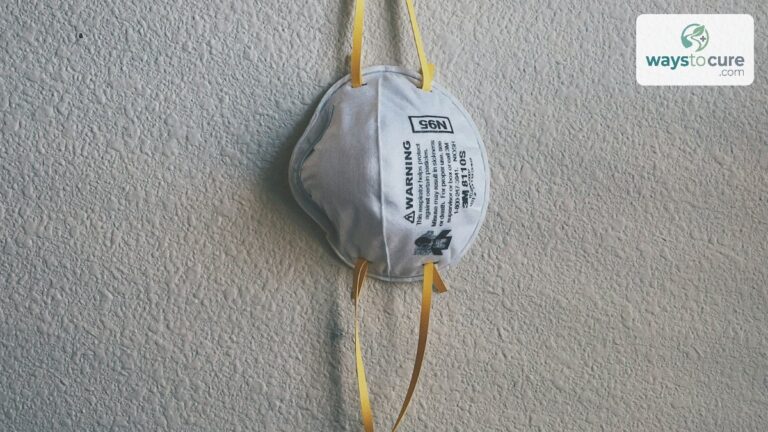
Your own voice should sound muffled once it’s in. Don’t cut foam earplugs to make them fit. If you can’t get a comfortable seal, switch to earmuffs. Packs usually show a noise reduction rating (NRR); a higher number blocks more sound, provided the protector is worn properly.
When to see a doctor
See an ENT doctor or go to a hospital emergency department the same day if, after a blast:
- You suddenly can’t hear properly in one or both ears. The NIDCD says sudden hearing loss should be treated as a medical emergency. Steroid treatment works best when started early, and treatment delayed beyond two to four weeks is less likely to help.
- You have earache, fluid leaking from the ear, or dizziness. These can point to a burst (perforated) eardrum, which the NHS lists loud noise as a cause of. Keep the ear dry and don’t put anything inside it.
- A child stops responding to sounds the way they did before, or keeps rubbing or holding an ear.
Book a routine appointment if ringing or muffled hearing hasn’t cleared within a few days.
Call 112 straight away if an older adult has chest pain, breathlessness, sudden weakness on one side, or slurred speech during the celebrations.
The smoke from crackers causes its own problems. For that side of Diwali, read pollution and asthma in children: warning signs.
Frequently asked questions
Are green crackers quieter?
Not necessarily. Green crackers are designed mainly to cut smoke and particle emissions, not noise, so they can still be loud enough to hurt ears up close. Keep the same distance and ear protection.
Will my hearing come back after a loud night?
Often, yes. Temporary dullness and ringing after one loud event usually fade as the ear recovers. A single very intense blast can cause permanent loss, though, so get checked if it hasn’t improved.
Can my baby wear earplugs?
Earplugs are usually too big for small children and harder to fit correctly. Child-sized earmuffs are the better choice, along with keeping the baby indoors.
How far away should we stand from crackers?
As far as you comfortably can. The legal limit is measured at 4 metres, so being closer than that means louder sound than the law allows.
Is the ringing in my ears after Diwali tinnitus?
Yes, ringing or buzzing with no outside source is tinnitus. If it’s still there after a few days, or comes with hearing loss, see a doctor.
This article is for general information and is not a substitute for advice from a doctor. If you have symptoms or a health condition, please consult a qualified healthcare professional.