You can’t avoid hormone-disrupting chemicals completely, but you can cut a big share of your family’s daily exposure with a few kitchen and shopping habits: stop heating food in plastic, choose glass or stainless steel for hot food, avoid plastics stamped 3, 6 or 7, and pick fragrance-free products. These steps matter most during pregnancy and in the first years of a child’s life, which is exactly the group a major new UN report says needs protecting first.
Below you’ll find what the report actually found, which chemicals it’s talking about, and a practical checklist you can work through this week without throwing out everything in your cupboards.
What did the new UNEP–WHO report say?
On 17 November 2026, the UN Environment Programme and the World Health Organization published the State of the Science of Endocrine-Disrupting Chemicals 2026, the first major global update since 2012. The WHO news release says exposure “can begin before birth” and that these chemicals have been found in blood, breast milk and cord blood.
The report says the evidence is now stronger for links between these chemicals and problems with:
- fertility and reproductive development
- brain and nervous system development
- thyroid and other hormone regulation
- metabolism, immunity and heart health
It also flags newer concerns, such as metabolic liver disease and possible kidney effects, while noting big research gaps. More than 350,000 chemicals and mixtures are registered for use worldwide, and only a small fraction have ever been checked for hormone effects.
Press coverage of the launch, including Euronews, quoted the authors calling current policies “fragmented and insufficient.” That’s a message aimed mostly at governments and manufacturers. But the report also says people should be able to choose safer materials when they have the information, and that’s where you come in.
What are endocrine disruptors, in plain terms?
Your endocrine system is the network of glands (thyroid, ovaries, testes, adrenals and others) that sends hormone signals around the body. An endocrine-disrupting chemical, or EDC, is a substance that can mimic, block or scramble those signals.
The WHO release names a few well-known examples: bisphenol A (BPA), phthalates and PCBs. They show up in plastics (packaging, toys, medical devices), pesticides and personal care products. Some, like PCBs, are older pollutants that linger in the environment.
The worry isn’t one big dose. It’s small, repeated exposures from many sources at once, often during stages of life when hormones are steering development.
Why pregnancy and early childhood matter most
A baby’s brain, reproductive organs and metabolism are being built under hormone instructions. Interference at that stage can have effects that last, and the report says some may be irreversible. Children also eat, drink and breathe more per kilogram of body weight than adults, and toddlers put toys and hands in their mouths constantly.
That’s why the American Academy of Pediatrics focuses its advice on infant feeding, food storage and products used around young kids. If you’re pregnant, planning a pregnancy or have a baby or toddler at home, this is the time when the swaps below give you the most for your effort. Pair them with the other things that protect a pregnancy, like keeping up with recommended vaccines in pregnancy.
Where most everyday exposure comes from
| Source | Chemicals of concern | Easy swap |
|---|---|---|
| Heating food or drinks in plastic (microwave, hot liquids) | BPA, phthalates | Heat in glass or ceramic; serve hot food in steel or glass |
| Plastic tubs washed in a hot dishwasher | BPA, phthalates | Hand-wash plastic, or replace worn containers with glass |
| Plastics marked 3, 6 or 7 | Phthalates (3), styrene (6), bisphenols (7) | Choose 1, 2, 4 or 5, or plastic-free options |
| Cling film touching food in the microwave | Plasticizers | Cover with a plate or a glass lid |
| Scented lotions, wipes, sprays and cleaners | Phthalates (often hidden under “fragrance”) | Fragrance-free versions |
| Processed meats and heavily packaged meals | Additives and packaging chemicals | Fresh or frozen foods, cooked at home more often |
Kitchen checklist: the changes that count
These come straight from the AAP’s family guidance on food additives and its plasticizer advice for clinicians.
- Don’t microwave food or drinks in plastic. The AAP says heat can cause or increase leaching of BPA and phthalates. This includes infant formula and pumped breast milk.
- Never heat cling wrap. If you must use it, don’t let it touch the food.
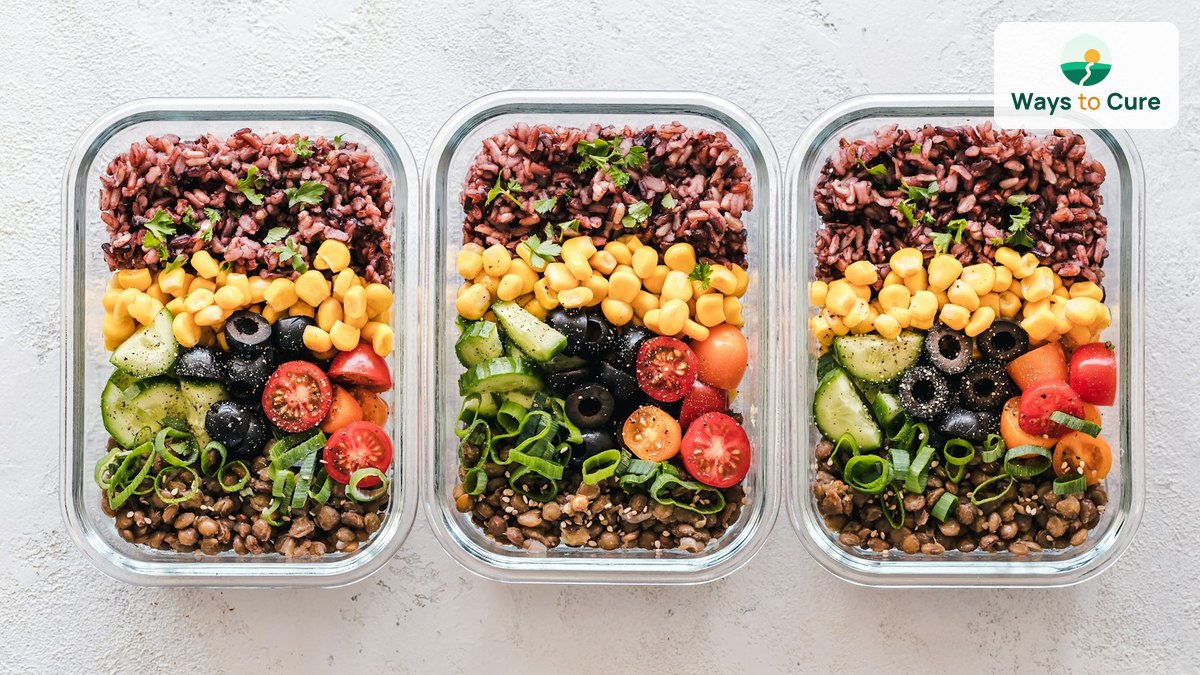
- Use glass or stainless steel for hot food, including lunchboxes and baby bowls.
- Hand-wash plastic containers and utensils instead of putting them in the dishwasher.
- Check the number on the bottom. Avoid 3, 6 and 7 unless the item is labelled “biobased” or “greenware.”
- Buy fresh or frozen fruit and vegetables when you can instead of relying on canned or heavily processed versions.
- Cut back on processed meats such as ham, hot dogs and pre-packed meals, especially in pregnancy.
- Wash your hands before and after handling food.
You don’t need to bin every plastic box today. Start by moving reheating and hot food to glass, then replace scratched or cloudy containers as they wear out. Old, damaged plastic is the stuff to retire first. If you’re also wondering about other kitchen materials, here’s what we found on aluminium foil and acidic foods.
Baby feeding: bottles, formula and breast milk
In the US, the FDA stopped allowing BPA-based polycarbonate in baby bottles and sippy cups in 2012, and BPA-based coatings in infant formula packaging in 2013. The FDA notes this was because manufacturers had already abandoned those uses, and its current position is that BPA is safe at the levels found in food. The European Union has gone further and moved to ban BPA in food-contact materials. So you’ll hear different messages depending on where you live.
What everyone agrees on is the heat rule. To warm a bottle, stand it in a bowl of warm water, or make up formula in a glass or steel container, rather than microwaving a plastic bottle.
Breastfeeding is another way to lower exposure. The AAP notes that low BPA levels have been found in human milk, but it still lists breastfeeding as one way to reduce a baby’s exposure to plasticizers. Don’t stop or avoid breastfeeding because of this report.
Also watch out for “BPA-free” labels. The AAP points out that BPS, a common BPA replacement, may have similar effects. The UN report’s lead author described the same problem: swapping one chemical for a close cousin that hasn’t been well tested. Glass and steel sidestep the issue.
Personal care, cleaning products and toys
- Go fragrance-free for baby wipes, lotions, laundry products and air fresheners. The AAP recommends fragrance-free products to reduce plasticizer exposure.
- Use fewer products overall. A baby rarely needs more than a mild wash and a plain moisturiser.
- Air out the home after cleaning and choose unscented cleaners where you can.
- Be wary of cheap soft plastic toys that toddlers chew. The UN report lists toys and children’s mouthing as an exposure route. Wood, fabric and silicone teethers are simple alternatives.
What not to worry about
Stress is bad for pregnancy too, so keep this in proportion. One reheated meal in a plastic tub won’t harm your baby. The risk the report describes comes from long-term, mixed exposure across a population, and most of the fixes need to come from regulators and manufacturers.
There’s also no reliable home test or “detox” that removes these chemicals, so skip expensive cleanses and supplements sold on that promise. Steady, boring habits do more. Eating more fresh food is good for you for many other reasons, too, as the research on ultra-processed food and bowel cancer shows.
When to see a doctor
Everyday exposure isn’t something a doctor can measure in routine practice, and there’s no standard blood test for it. But do book an appointment if you notice symptoms of a hormone problem, whatever the cause:
- Signs of puberty in a child younger than 8, such as breast growth, pubic hair or a sudden growth spurt. The NHS says signs starting before age 8 could be early puberty.
- Periods that stop, become very irregular, or no pregnancy after 12 months of trying (or after 6 months if you’re 35 or older).
- Unexplained weight change, racing heart, heat intolerance, or tiredness and feeling cold all the time, which can point to thyroid problems.
- A child’s growth falling away from their usual curve at check-ups.
- You work with pesticides, solvents or industrial chemicals and are pregnant or planning a pregnancy. Ask about workplace protection.
If a child has swallowed a chemical product, call your local poison centre or emergency number (911 in the US, 999 in the UK, 112 in the EU and India) straight away.
Frequently asked questions
Is “BPA-free” plastic safe to microwave?
Not necessarily. Replacement bisphenols such as BPS may act in similar ways, according to the AAP. The safest habit is to heat food in glass or ceramic, whatever the label says.
Which plastic numbers are safest for food?
The AAP suggests avoiding 3, 6 and 7. Codes 1, 2, 4 and 5 are generally considered better choices, but none of them should be heated.
Should I stop breastfeeding because chemicals are found in breast milk?
No. The AAP still lists breastfeeding as a way to reduce a baby’s exposure to plasticizers, and its other benefits are well established.
Can a blood test show my levels of endocrine disruptors?
Research labs can measure some of these chemicals, but there’s no routine clinical test that tells you whether your level is harmful. Focus on reducing exposure rather than testing.
Are glass containers with plastic lids okay?
Yes, for storage. Just take the plastic lid off before microwaving and cover the dish with a plate instead.
This article is for general information and is not a substitute for advice from a doctor. If you have symptoms or a health condition, please consult a qualified healthcare professional.