Waking at 3am every night usually happens because sleep gets lighter in the second half of the night, so a small trigger is enough to wake you: alcohol wearing off, a full bladder, a hot flush, stress, or a breathing problem such as sleep apnoea. Once it’s happened a few times, worrying about it can keep the pattern going on its own.
The good news is that most causes can be spotted with a week of notes, and the most effective fix isn’t a pill. Here’s how to work out your trigger, what to do at 3am itself, and when it’s worth seeing a doctor.
Why 3am, of all times?
Sleep runs in cycles. Early in the night you get more deep sleep. Later, sleep is lighter and you surface more often, usually for moments you don’t remember. Around 3am, many people are in that lighter stretch, so anything that would normally go unnoticed, like a noise, warmth or a need to pee, can bring you fully awake.
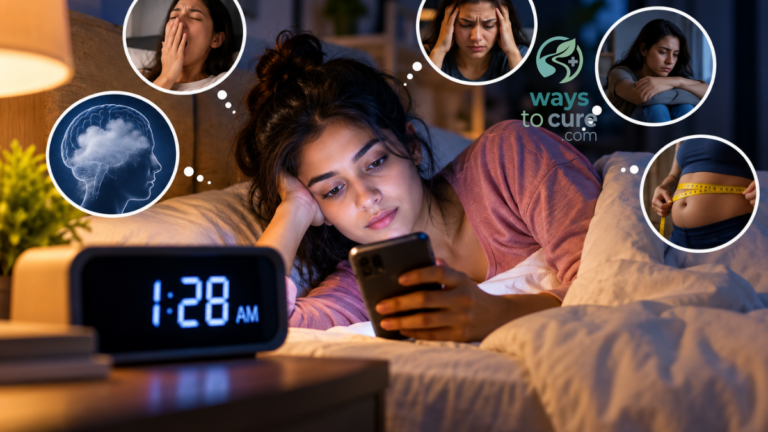
Once you’re awake, checking the clock and thinking “not again” adds alertness on top. After a few weeks, your brain starts to expect it. That’s why the fix often involves changing what you do when you wake, not only the original trigger.
Common causes of waking at 3am
Use this table to narrow it down. Most people have more than one.
| Possible cause | Clues | First thing to try |
|---|---|---|
| Alcohol in the evening | Worse on nights you drink, even 1 or 2 drinks; sweaty or restless | Two alcohol-free weeks, then compare |
| Needing to pee (nocturia) | You wake with a full bladder; lots of fluid, tea or coffee after dinner | Keep a drinks and bathroom diary for 3 days |
| Stress, anxiety or racing thoughts | You wake alert and start planning or worrying straight away | Wind-down hour and the “get up” rule below |
| Low mood or depression | Waking very early and not getting back to sleep, plus low mood or loss of interest | Talk to a doctor; this is treatable |
| Menopause or perimenopause | Night sweats, hot flushes, age mid-40s to 50s | Cool room and bedding; see a doctor about treatment |
| Sleep apnoea | Loud snoring, gasping or choking, morning headaches, very tired by day | See a doctor for a sleep study |
| Hot, noisy or bright bedroom | Worse in summer, with traffic, a partner’s alarm, or streetlight | Blackout curtains, earplugs, a cooler room |
| Medicines | Started after a new drug, such as water pills (diuretics) or steroids | Ask your pharmacist about timing; don’t stop on your own |
| Pain or reflux | Aching joints, heartburn, cough when lying flat | Treat the cause; see a doctor if it’s regular |
Alcohol: the nightcap that backfires
Alcohol helps you fall asleep, which is why it feels like it works. A large review of studies on alcohol and sleep found that alcohol, at all doses studied, shortened the time to fall asleep and made the first half of the night more settled. The same review found more sleep disruption in the second half of the night, as your body clears the alcohol.
In practice, a glass of wine at 10pm can mean you’re wide awake at 3am. If you drink most evenings, try two weeks without and see whether the 3am waking changes. Our guide to alcohol limits and medicine interactions covers how much is too much.
Needing to pee at night
MedlinePlus lists drinking a lot in the evening, and caffeine or alcohol with or after dinner, as common reasons for waking to urinate. Other causes include bladder infections, an enlarged prostate, pregnancy, water pills, diabetes, heart failure and leg swelling.
A simple diary helps: for three days, write down what you drink and when, and each time you pee. If you’re waking to pee most nights even after cutting back on evening drinks, or if it burns or you see blood, see a doctor.
Stress, anxiety and low mood
The NHS lists stress, anxiety and depression among the most common causes of insomnia, alongside noise, temperature, alcohol, caffeine and shift work.
Early waking deserves special mention. The NHS lists “waking up very early in the morning” as a physical symptom of depression. If you’re waking at 3am or 4am, can’t get back to sleep, and have felt low or lost interest in things most days for more than two weeks, speak to a doctor. If you’ve started treatment, our guide to how long antidepressants take to work explains what to expect, including changes in sleep.
Menopause and night sweats
The NHS notes that trouble getting to sleep or staying asleep is a common menopause symptom, and that sleep problems can be worse with night sweats. Symptoms usually last 7 to 9 years, sometimes longer.
A cooler bedroom, layered bedding and breathable nightwear help a bit. If night sweats are waking you most nights, talk to a doctor about treatment options. Regular exercise may help with mood too; see menopause, low mood and exercise.
Could it be sleep apnoea?
In obstructive sleep apnoea, your airway narrows or closes during sleep, and your brain briefly wakes you to start breathing again. The NHS lists these signs:
- Breathing that stops and starts while you sleep (often noticed by a partner)
- Gasping, snorting or choking noises
- Loud snoring and waking up a lot
- Feeling very tired in the day, poor concentration, mood swings and headaches on waking
Risk is higher if you’re overweight, have a large neck, are older, drink or smoke, sleep on your back, or have a family history. Sleep apnoea is worth ruling out because it’s treatable and, left alone, affects daytime alertness and driving.
What to do when you wake at 3am
For long-term insomnia, the American Academy of Sleep Medicine’s guideline strongly recommends cognitive behavioural therapy for insomnia (CBT-I) as treatment. It specifically advises against relying on “sleep hygiene” tips alone. The NHS also offers CBT, either in person or as an online programme. Several CBT-I techniques work at 3am itself:
- Don’t check the time. Turn the clock away. Doing the maths on how many hours are left wakes you up more.
- Get up if you can’t sleep. One of the guideline’s stimulus control instructions is to get out of bed when you can’t sleep. If you’re lying there awake and frustrated, go to another room with dim light and do something calm and dull, like reading a paper book, until you feel sleepy. Then go back to bed.
- Keep the bed for sleep. No phone scrolling, emails or TV in bed, including at 3am.
- Get up at the same time every morning, even after a bad night. Lying in to “catch up” makes the next night’s sleep lighter.
- Skip daytime naps while you’re resetting your pattern. Both the AASM stimulus control instructions and the NHS advise avoiding them.
- Park your worries earlier. Spend 10 minutes in the early evening writing down what’s on your mind and one next step for each item. When the same thoughts show up at 3am, you’ve already dealt with them.
The NHS notes that GPs rarely prescribe sleeping pills now, and then only for a few days or weeks, because of side effects and the risk of dependence. Supplements are a weaker option. If you’re curious, our guides on melatonin and magnesium glycinate cover what the evidence shows.
When to see a doctor
See a doctor if:
- You’ve had trouble sleeping for months, or changing your habits hasn’t helped (the NHS defines insomnia lasting 3 months or longer as long-term)
- Poor sleep is making it hard to work, drive or cope with daily life
- A partner notices pauses in your breathing, gasping or choking, or you’re very sleepy during the day
- You wake to pee several nights in a row, or it burns or there’s blood in your urine
- You wake early with low mood, hopelessness or loss of interest lasting more than two weeks
- Night sweats are soaking your bedding, especially with unexplained weight loss or fever
Get help now if you wake with chest pain, severe breathlessness, or a racing or irregular heartbeat: call your local emergency number (911 in the US, 999 in the UK, 112 in the EU and India).
If you’re having thoughts of harming yourself, you don’t have to wait until morning. Call or text 988 in the US, Samaritans on 116 123 in the UK, or Tele-MANAS on 14416 in India.
Frequently asked questions
Is waking up at 3am a sign of something serious?
Usually not. Most people who wake at 3am have a lifestyle trigger, stress or plain insomnia. It’s worth checking for sleep apnoea, depression or a bladder problem if you have the other signs listed above.
Is it normal to wake up during the night?
Brief wakings are a normal part of sleep, and most are forgotten by morning. It becomes a problem when you lie awake for a long time, it happens most nights, or you feel tired the next day.
Should I get up or stay in bed if I can’t get back to sleep?
If you’re lying there awake and frustrated, get up. Go somewhere dim, do something calm, and return to bed when you’re sleepy. Over time this teaches your brain to link bed with sleep again.
Does eating late cause 3am waking?
The evidence is mixed. Heavy late meals can bring on reflux when you lie down, which can wake you. If you notice heartburn at night, try eating earlier and see if it helps.
How long does it take to break the 3am habit?
It varies. Give a consistent wake time and the get-up rule at least two to three weeks. If nothing changes after a month or two, ask a doctor about CBT-I.
This article is for general information and is not a substitute for advice from a doctor. If you have symptoms or a health condition, please consult a qualified healthcare professional.