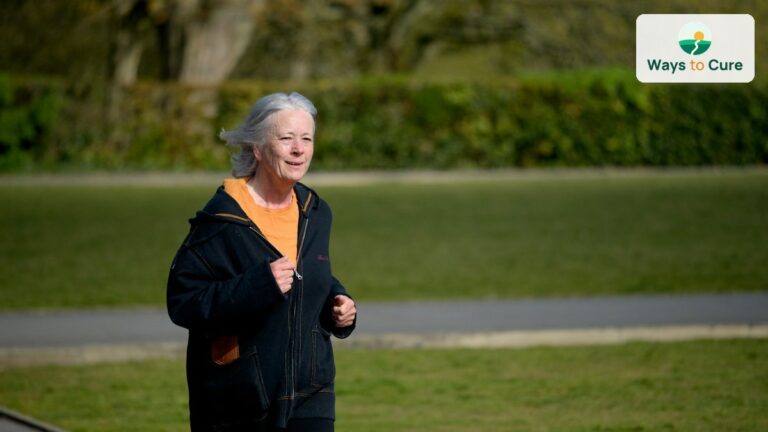
Yes, regular exercise can lift low mood during perimenopause and after menopause, and the trial evidence for it is now fairly consistent. It won’t fix everything on its own, but 150 minutes a week of activity that gets you mildly out of breath, plus some strength work, is one of the most reliable things you can start this week.
Plenty of women in their 40s and early 50s describe the same thing: they’re snapping at family, crying at adverts, losing interest in things they used to enjoy, and sleeping badly. Periods have become irregular or stopped. Nobody connects the dots until someone mentions menopause. This guide explains why mood dips around this time, what kind of exercise has the best evidence, how to fit it into a normal Indian week, and when low mood needs more than a walking routine.
Why mood often drops around menopause
The NHS lists mood swings, low mood, anxiety, irritability and brain fog among the common symptoms of perimenopause and menopause. It also notes that symptoms usually last 7 to 9 years, sometimes longer, and that low mood can feel worse when sleep is poor. In some women, anxiety or low mood shows up later, even as hot flushes settle.
Several things pile up at once:
- Changing hormones. Oestrogen levels swing up and down in perimenopause before falling, and those swings affect brain chemicals involved in mood.
- Night sweats and broken sleep. Waking at 3 am drenched, three or four nights a week, wears down anyone’s patience.
- Life load. Teenage children, ageing parents, work pressure and less time for yourself often peak in the same decade.
- Body changes. Weight gain around the middle, joint aches and lower energy can chip away at confidence.
Menopause is defined as 12 months without a period. The years before that, perimenopause, are often when mood symptoms are most noticeable.
What the research says about exercise and low mood
A 2025 meta-analysis in Frontiers in Psychiatry pooled 16 randomised controlled trials of exercise in menopausal women and found that exercise reduced depressive symptoms compared with no exercise. A separate 2025 review of leisure-time physical activity in menopausal women reached the same conclusion.
Some details from the first review are useful when you plan your own routine:
- Mind-body exercise like yoga and tai chi showed the strongest effect among the exercise types tested in several trials. Aerobic exercise such as brisk walking and cycling also helped.
- Programmes of 12 weeks or less worked about as well as longer ones, so you don’t need to wait months to notice a change.
- The effect looked larger in perimenopausal women, but that was based on only three small trials.
The authors were frank about the limits. Trials were small, they varied a lot, and many didn’t report how well women stuck to the programme. So treat exercise as a strong, low-risk first step, not a guaranteed treatment. The WHO says physical activity reduces symptoms of depression and anxiety and improves sleep in adults generally, which fits with these findings.
How much exercise do you actually need?
The standard adult target from the NHS physical activity guidelines is at least 150 minutes of moderate activity a week, or 75 minutes of vigorous activity, plus strengthening exercises on at least 2 days a week covering the major muscle groups. Moderate means you can still talk but can’t sing.
For mood, the 150 minutes matter less than doing something most days. Five 30-minute brisk walks plus two short strength sessions at home covers it. If you’re starting from zero, 10 minutes after dinner is a fine first week.
A simple weekly plan you can start with
This plan assumes you’re currently not very active and have no heart, joint or bone problems that limit exercise. Build up over 4 to 6 weeks.
| Day | Activity | Time |
|---|---|---|
| Monday | Brisk walk (park, terrace, society compound) | 30 min |
| Tuesday | Strength: squats to a chair, wall push-ups, step-ups on a stair, glute bridges | 20 min |
| Wednesday | Yoga class or a guided video at home | 40 to 60 min |
| Thursday | Brisk walk or cycling | 30 min |
| Friday | Strength, same as Tuesday | 20 min |
| Saturday | Something social: dance class, walk with a friend, badminton | 30 to 45 min |
| Sunday | Rest or gentle stretching | As you like |
A few practical tips:
- Morning daylight walks help many people with sleep, which in turn helps mood. In north Indian cities during winter, check the CPCB AQI first. If it’s in the “poor” range or worse, move your session indoors.
- Strength work matters at this age because bone density falls after menopause. The NHS recommends weight-bearing and strength exercises to help protect bones.
- Exercising with someone else makes it far more likely you’ll keep going. A walking group with neighbours counts.
- If hot flushes are a problem, wear light cotton layers, exercise in cooler parts of the day and keep water nearby.
New to running? Our 6-week beginner running plan builds up gently. If you’d rather start with yoga at home, see how to practise yoga at home.
Other things that help alongside exercise
Exercise works best as part of a bigger picture.
- Talking therapy. The NHS describes cognitive behavioural therapy (CBT) as a talking therapy that can help with low mood and anxiety during menopause, as well as sleep problems and hot flushes.
- Sleep routine. Same bedtime and wake time daily, a cool room, and no heavy meal or tea late at night.
- Alcohol. It often worsens night sweats and mood the next day.
- Medical treatment. Depending on your symptoms and history, a doctor may discuss hormone replacement therapy (HRT) for menopause symptoms in general. If you have low mood, depression or anxiety, the NHS says you may be offered antidepressants. These are decisions to make with your doctor, weighing your own risks.
Be careful with supplements sold for “menopause mood”. Many have weak evidence and some interact with medicines. We’ve looked at the research in natural supplements for perimenopause.
Is it menopause, depression, or something else?
Low mood in midlife isn’t always about hormones. An underactive thyroid, low vitamin D, anaemia from heavy periods, and seasonal low mood in winter can all look similar. Our guide on winter blues and seasonal depression covers that last one.
Depression is more than a bad week. The NHS lists signs of depression such as persistent sadness or hopelessness, losing interest in things you enjoy, feeling guilty or worthless, low energy, changes in appetite and sleep, and withdrawing from friends. If these are present most of the day, nearly every day, for more than 2 weeks, it’s time to see a doctor.
When to see a doctor
Book an appointment with your GP or gynaecologist if:
- You’ve felt low or lost interest in things most of the day, every day, for more than 2 weeks.
- Mood symptoms are affecting your work, relationships or ability to look after yourself.
- You’ve had a few weeks of regular exercise and better sleep habits and feel no better.
- You have panic attacks, or anxiety that stops you leaving home.
- Your periods are very heavy or you’re bleeding after menopause, which needs checking regardless of mood.
- You get chest pain, fainting or unusual breathlessness when you exercise. Stop and get checked before continuing.
Get help today if you have thoughts of harming yourself or ending your life. In India, call Tele-MANAS on 14416 (free, 24 hours, in many languages) or 112 in an emergency. Tell someone you trust how you’re feeling.
Frequently asked questions
How soon will exercise improve my mood?
Many people feel calmer after a single session, but the trial benefits were measured over weeks. In the 2025 review, programmes of 12 weeks or less worked about as well as longer ones. Give it at least 4 to 6 weeks of regular activity.
Is yoga better than walking for menopause mood?
Yoga and tai chi showed slightly bigger effects in the research, but walking also helped. The best exercise is the one you’ll actually keep doing. Mixing both covers mood, fitness and flexibility.
Can exercise replace HRT or antidepressants?
Not if you have moderate or severe symptoms. Exercise is a good first step for mild low mood and a useful add-on to treatment. Don’t stop any prescribed medicine without talking to your doctor.
I’m exhausted. How do I exercise when I have no energy?
Start tiny. A 10-minute walk after a meal is enough for the first week. Low energy often improves once you’re moving regularly, but if fatigue is severe, ask your doctor to check thyroid, haemoglobin and vitamin D.
Does menopause low mood go away on its own?
For many women it eases as hormones settle after menopause, but symptoms can last years. There’s no reason to wait it out. Exercise, sleep, therapy and medical treatment can all help now.
This article is for general information and is not a substitute for advice from a doctor. If you have symptoms or a health condition, please consult a qualified healthcare professional.