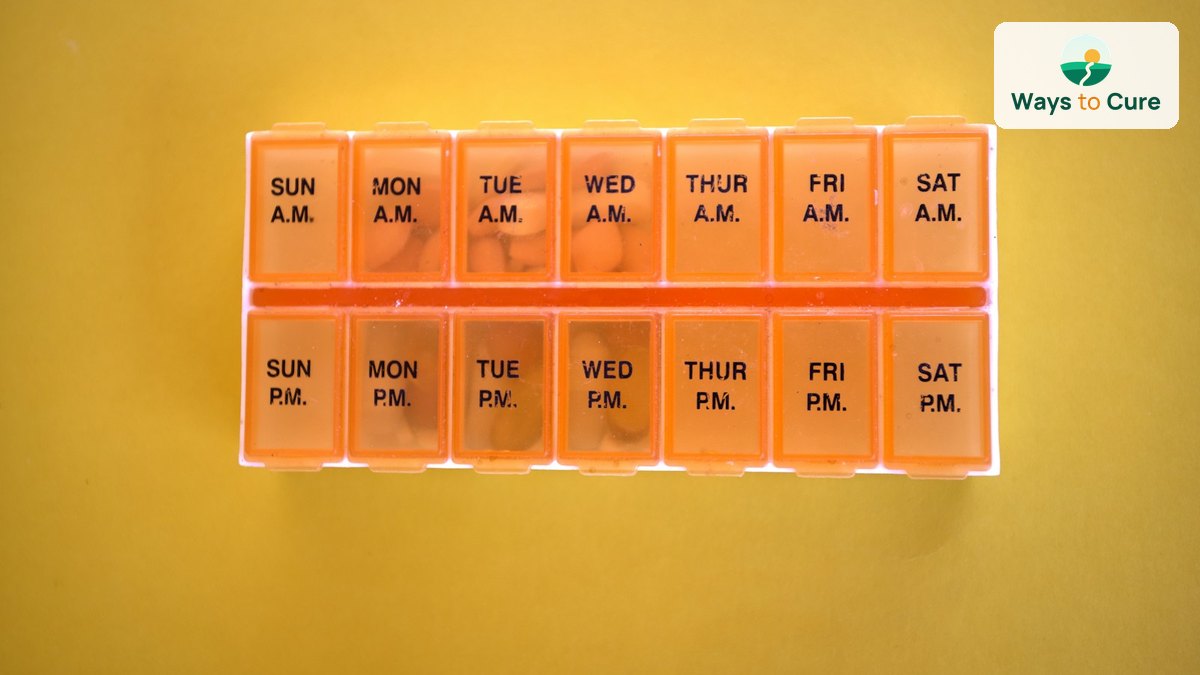
Most antidepressants, including SSRIs like sertraline, fluoxetine and escitalopram, start to have some effect in 1 to 2 weeks but usually need 4 to 8 weeks to work fully. Sleep, appetite and energy often improve before your mood does, so feeling “not much different” in week two is normal and not a sign the tablet has failed.
That gap between swallowing the first pill and actually feeling better is where a lot of people give up. Knowing what each stage tends to look like makes it much easier to stick with it, and to spot when something genuinely isn’t right.
The short answer: weeks, not days
The NHS says antidepressants usually take 1 to 2 weeks to start having an effect and can take up to 8 weeks to work fully. The US National Institute of Mental Health (NIMH) gives a similar range of 4 to 8 weeks. Cleveland Clinic puts it at usually 4 to 6 weeks after you reach a therapeutic dose.
That last detail matters. Many doctors start you on a low dose and raise it after a week or more. The clock for “is this working?” really starts once you’re on the dose you’ll stay on, not on day one.
Week-by-week: what to expect on an SSRI
Everyone is different, but this is the pattern most people see. Use it as a rough guide, not a deadline.
| Time on the medicine | What you may notice | What to do |
|---|---|---|
| Days 1 to 7 | Side effects often show up first: nausea, headache, loose stools, dry mouth, feeling jittery or sleepy. Mood usually unchanged. | Keep taking it at the same time each day. Take it with food if your stomach is upset. |
| Weeks 1 to 2 | Early changes in sleep, appetite or energy. Some side effects begin to ease. | Note small changes. Your doctor may increase the dose around now. |
| Weeks 2 to 4 | Concentration and motivation may pick up. Low mood can still come and go. | Keep going. Tell your doctor if side effects are still hard to live with. |
| Weeks 4 to 8 | This is when most people feel the main benefit: fewer low days, less worry, more interest in things. | Review with your prescriber how much has changed. |
| After 8 weeks on a steady dose | If very little has shifted, this medicine or dose may not be right for you. | Ask about a dose change, a different medicine, or adding talking therapy. |
Why the physical symptoms improve before mood
NIMH notes that problems with sleep, appetite, energy and concentration often improve before mood lifts. That can feel odd. You might be sleeping better and eating normally while still feeling flat inside.
Friends and family sometimes notice the change before you do. If someone says you seem a bit brighter, take that as a real signal, even if your own sense of things lags behind.
If your low mood tends to arrive with the darker months, our guide to winter blues versus seasonal depression covers daylight and routine changes that work alongside medicine.
Common early side effects, and how long they last
The NHS lists these as common with sertraline, and most SSRIs share a similar list:
- Headaches
- Nausea or vomiting
- Dizziness or drowsiness
- Dry mouth
- Diarrhoea
- Trouble sleeping
- Low sex drive or other sexual problems
- Weight gain
According to the NHS sertraline page, most side effects should ease after a couple of weeks as your body gets used to the medicine. Some last longer. Sexual side effects in particular can hang around, and the NHS notes they may continue even after stopping. Don’t sit on these in silence. A dose tweak, a change of timing or a different medicine can help, and doctors hear about sexual side effects all the time.
Practical fixes that often help in the first fortnight:
- Take the tablet with breakfast if it makes you queasy.
- Take it in the morning if it keeps you awake, or at night if it makes you drowsy (check with your pharmacist first).
- Sip water and chew sugar-free gum for a dry mouth.
- Keep a regular bedtime. Our post on resetting your sleep has simple steps.
The under-25 warning: suicidal thoughts early on
Antidepressants carry a specific warning for young people. MedlinePlus says an increased risk of suicidal thoughts was found in children, teenagers and young adults under 24, and that the risk is more likely in the first few months of treatment and when the dose is increased. The NHS also says people aged 24 or under, or anyone who has had these thoughts before, may be most at risk.
This doesn’t mean young people shouldn’t take antidepressants. It means the first weeks need closer contact with the doctor, and the people around them should know what to watch for: new or worse anxiety, agitation, restlessness, acting on dangerous impulses, or talk of self-harm.
If you or someone you care for has thoughts of suicide, get help today:
- US: call or text 988 (Suicide & Crisis Lifeline)
- UK: Samaritans on 116 123, or NHS 111
- India: Tele-MANAS on 14416
- Anywhere: call your local emergency number (911 in the US, 999 in the UK, 112 in the EU and India) if someone is in immediate danger.
When to ask about a dose change or a switch
Cleveland Clinic advises checking in with your provider if you’re not feeling better 4 to 6 weeks after reaching a therapeutic dose. By 8 weeks, the NHS and NIMH ranges suggest you should have a fair idea.
Bring these points to the appointment. They help your doctor decide what to try next:
- How long you’ve been on your current dose (rather than how long since you started)
- Whether you’ve missed doses
- Which symptoms have improved, even slightly, and which haven’t
- Side effects you’re still having
- Alcohol, other medicines and supplements you take
Not responding to the first antidepressant is common. NIMH notes it can take more than one try to find the right medicine and dose. Many people do well on a second option or with talking therapy added.
Alcohol is worth a word here. The NHS warns it can make your symptoms worse and make you feel sleepy or dizzy. More on that in our post on alcohol, limits and medicines.
How long you’ll stay on it once it works
Feeling better is not the signal to stop. The NHS says you’ll usually take antidepressants for at least 6 months after you feel better. Stopping too early raises the chance of the depression coming back.
Exercise, daylight and talking therapy all help keep you well during that time. Our article on exercise and low mood explains how much movement makes a measurable difference.
Why you shouldn’t stop suddenly
Stopping an SSRI abruptly can cause withdrawal (sometimes called discontinuation) symptoms. MedlinePlus lists nausea, sweating, mood changes, lightheadedness, headache, tiredness, ringing in the ears, tingling in the arms or legs, and sleep trouble. The Royal College of Psychiatrists describes “zaps”, brief electric-shock feelings in the head, arms or legs, and dizziness that can be bad enough that you need help to stand.
The NHS says withdrawal symptoms usually begin within a few days of reducing and last a few weeks. The Royal College adds that for some people they are more severe and can last much longer, sometimes months.
The safer route is a planned taper with your prescriber. The Royal College describes a common approach of roughly halving the dose every 2 to 4 weeks, going more slowly for people who have taken the medicine for a long time or had withdrawal before.
Withdrawal or relapse?
The Royal College gives some useful clues. Withdrawal usually starts soon after a dose is cut and can include new sensations like zaps. Relapse of depression typically builds over weeks or months. Withdrawal also tends to settle within hours or days if the previous dose is restarted, which is much faster than an antidepressant takes to treat depression.
When to see a doctor
Contact your doctor or prescriber promptly if:
- You feel worse, more anxious or more agitated after starting or increasing a dose
- Side effects stop you working, eating or sleeping
- Nothing has improved after 4 to 8 weeks on a steady dose
- You’ve missed several doses or want to stop
- You’re pregnant or planning a pregnancy
Get emergency help if:
- You have thoughts of ending your life or harming yourself (use the crisis lines above)
- You develop confusion, a fast heart rate, fever or stiff muscles. Cleveland Clinic lists these as warning signs of serotonin syndrome, a rare but serious reaction, especially when SSRIs are combined with other serotonin-raising medicines.
- You have a seizure
Frequently asked questions
Can I feel an antidepressant working after one week?
Some people notice better sleep or energy within 1 to 2 weeks. A clear lift in mood usually takes longer, often 4 to 8 weeks.
Which SSRI works fastest?
There’s no reliable winner for speed. Commonly used SSRIs include citalopram, escitalopram, fluoxetine, paroxetine and sertraline. Choice usually depends on side effects, other conditions and medicines you take.
Is it normal to feel worse before better?
Some people feel more anxious or jittery in the first week or two. Mild unease that fades is common. Feeling much worse, agitated or having suicidal thoughts is not something to wait out: contact your doctor or a crisis line the same day.
What if I miss a dose?
For sertraline, the NHS says to skip the missed dose and take the next one as usual the next day. Don’t take two doses to make up. Other SSRIs can differ, so check your leaflet or ask a pharmacist. Missing several days in a row can bring on withdrawal symptoms.
Can I drink alcohol on sertraline?
The NHS advises caution because alcohol can worsen depression and make you drowsy or dizzy. Ask your doctor or pharmacist what’s sensible for you.
This article is for general information and is not a substitute for advice from a doctor. If you have symptoms or a health condition, please consult a qualified healthcare professional.