Most cooked leftovers are safe in the fridge for 3 to 4 days under US guidance, or 2 days under UK guidance, as long as they went into the fridge within 2 hours of cooking. Cooked rice is the exception: UK food safety advice says keep it no more than 1 day and reheat it only once.
Below: why the US and UK numbers differ, how to cool a big holiday meal fast, freezer times, and the symptoms that mean a leftover has made you ill.
Why the US says 3 to 4 days and the UK says 2
Both countries are working from the same science. Bacteria that cause food poisoning grow fastest at room temperature and slow right down in a cold fridge, but they don’t stop completely. Each agency has chosen its own safety margin.
- United States: Cleveland Clinic’s leftovers guide, which follows US food safety rules, gives 3 to 4 days in the fridge for cooked turkey and cooked seafood.
- United Kingdom: the Food Standards Agency’s food safety guide says to eat fridge leftovers within 48 hours. Food Standards Scotland gives the same 2-day limit.
If you live elsewhere, check your national food agency. If you’re unsure, the 2-day rule is the more cautious one, and it’s the one to use for anyone at higher risk: pregnant people, babies and young children, adults over 65 and anyone with a weakened immune system.
One thing both systems agree on: the clock starts when the food was cooked, not when you first opened the container. Reheating a dish on day 2 doesn’t reset it.
How long common leftovers last: a quick chart
Here’s how long typical holiday and weeknight leftovers keep. The fridge column shows the US and UK limits side by side.
| Leftover | Fridge (US) | Fridge (UK) | Freezer |
|---|---|---|---|
| Roast turkey or chicken | 3 to 4 days | 2 days | 3 to 4 months (turkey and chicken) |
| Cooked fish and seafood | 3 to 4 days | 2 days | 2 to 3 months |
| Ham | 3 to 4 days | 2 days | 1 to 2 months |
| Mashed potatoes | 3 to 4 days | 2 days | 1 to 2 months |
| Cooked pasta | 3 to 4 days | 2 days | 2 to 3 months |
| Casseroles, cooked vegetables, pies | 3 to 4 days | 2 days | 3 to 4 months |
| Cooked rice | See the rice section below | 1 day | Freeze as soon as it’s cool |
Freezer times come from Cleveland Clinic and are about quality as much as safety. Food kept frozen stays safe, but after these times it tends to dry out and lose flavour.
The 2-hour rule (and the 1-hour rule)
How fast leftovers get cold matters as much as how long they sit in the fridge. The CDC says to refrigerate perishable food within 2 hours of cooking, or within 1 hour if it’s been somewhere above 90°F (32°C), like a hot car or an outdoor buffet in summer. The UK guide says the same thing in a different way: cool, cover and refrigerate or freeze within one to two hours.
Bacteria multiply most readily between 40°F and 140°F (4°C to 60°C), according to Cleveland Clinic. UK guidance describes the danger zone as 8°C to 63°C (46°F to 145°F).
If food has been out for more than 2 hours, throw it away. Smelling or tasting it won’t tell you whether it’s safe; food that causes food poisoning often looks and smells normal.
How to cool a big holiday meal quickly
A whole roast or a deep pot of stew can stay warm in the middle for hours, even in the fridge. A few habits help:
- Carve the bird. Take the meat off the bones and store it in flat portions instead of putting the whole carcass in the fridge.
- Use shallow containers. A thin layer cools far faster than a deep one. Split a big pot of soup or gravy into several smaller boxes.
- Don’t overpack the fridge. Cold air has to move around the food. Clear space before the meal.
- Cover and label. Write the date on the lid with a marker so nobody has to guess on day 3.
- Freeze early. If you know you won’t finish something within the fridge limit, freeze it on day 1, not on day 3. The UK guide says leftovers should be frozen as soon as possible.
Your fridge also needs to actually be cold. Keep it at 40°F (4°C) or below (US advice) or between 0°C and 5°C (UK advice), and the freezer at 0°F (-18°C) or below. Food Standards Scotland points out that the dial inside most fridges isn’t marked in degrees, so a cheap fridge thermometer is the only way to know.
Why rice gets its own rule
UK advice treats cooked rice more strictly than any other leftover. According to the FSA guide:
- Cool leftover rice as quickly as possible, ideally within 1 hour.
- Keep it in the fridge for no more than 1 day.
- Don’t reheat cooked rice more than once.
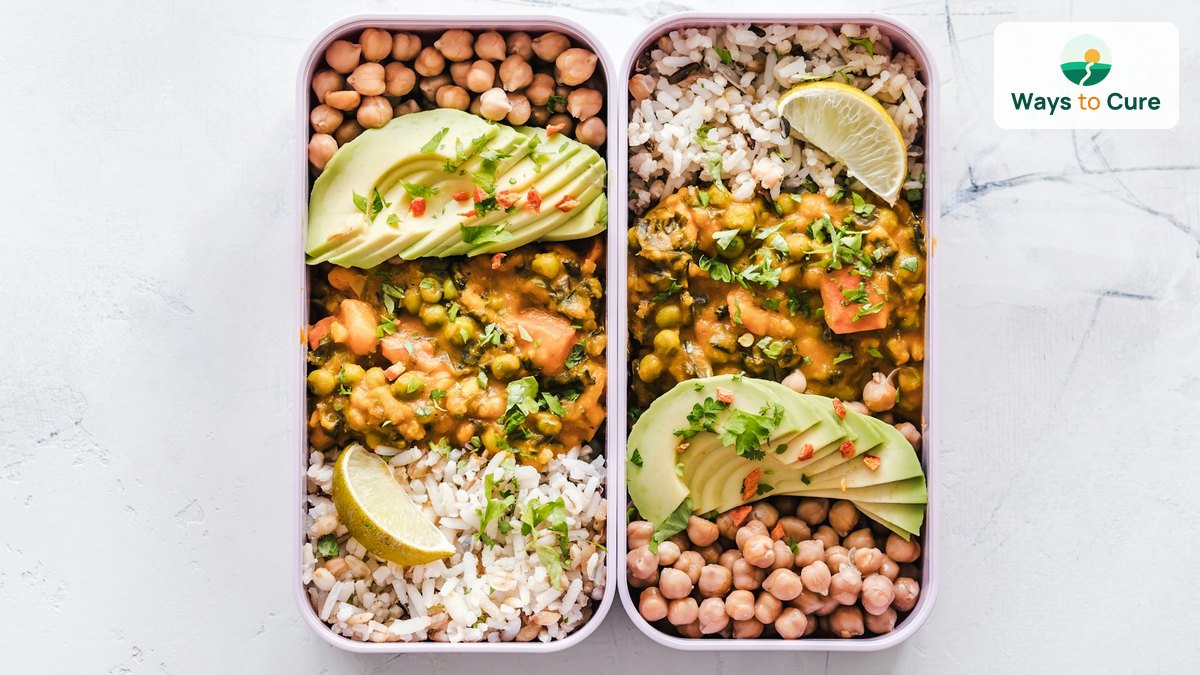
In practice, that means spreading rice out on a tray or in a wide, shallow container to cool, then refrigerating it promptly. If you cook a large batch for the week, freeze it in single portions instead of leaving a big container in the fridge. The same caution makes sense for leftover fried rice, biryani, pilaf and rice-based stuffing.
How to reheat leftovers safely
Warm isn’t enough. The goal is to heat leftovers all the way through.
- US target: 165°F (74°C) in the thickest part, checked with a food thermometer, says the CDC. That applies to microwaved food too.
- UK target: the FSA’s cooking guidance says food should be steaming hot throughout, rather than just warm. For cooking in general, it says the middle should reach 70°C (158°F) for 2 minutes.
- Stir halfway. Microwaves heat unevenly. Stir or turn the food so no cold pockets are left.
- Reheat once. The UK guidance says to reheat leftovers only once, because every cool-down and warm-up gives bacteria another chance to grow. Take out only the portion you’re going to eat.
- Thaw in the fridge. Don’t defrost frozen leftovers on the counter. The FSA advises defrosting in the fridge, on a plate or in a container that catches drips, and eating the food within 24 hours once it’s defrosted.
Checklist: keep it or throw it out?
Throw a leftover away if any of these is true:
- It sat at room temperature for more than 2 hours (or 1 hour in heat above 90°F/32°C).
- It’s past 4 days in the fridge (US) or 2 days (UK), or past 1 day for rice.
- It’s already been reheated once.
- You can’t remember when it was cooked.
- It smells off, looks slimy or has mould. (But remember that the opposite isn’t true: normal smell doesn’t mean safe.)
- It’s for someone pregnant, very young, elderly or immunocompromised, and you’re not sure about any of the above.
Symptoms of food poisoning from leftovers
Food poisoning usually causes some mix of nausea, vomiting, diarrhoea, stomach cramps and sometimes fever. The NHS says symptoms often start within a few hours to a few days of eating contaminated food, and most people get better within a week.
Most cases can be managed at home. Sip fluids often, use oral rehydration sachets if you’re losing a lot of fluid, and eat plain food when you feel ready. If you’re struggling with nausea, our guide to ginger for nausea covers what amounts are reasonable. And if the whole household falls ill within a day or two, think about a stomach virus as well; see how long norovirus is contagious, since it spreads fast at family gatherings.
When to see a doctor
The CDC advises seeing a doctor for:
- Bloody diarrhoea
- Diarrhoea lasting more than 3 days
- Fever over 102°F (38.9°C)
- Vomiting so often you can’t keep liquids down
- Signs of dehydration: passing very little urine, a dry mouth and throat, or feeling dizzy when you stand up
The NHS also says to get urgent advice if you’re worried about a baby under 12 months, if a child under 5 shows signs of dehydration such as fewer wet nappies, if diarrhoea lasts more than 7 days, or if vomiting lasts more than 2 days. Pregnant people with a fever and flu-like symptoms after eating risky food should contact their doctor promptly.
Get emergency help by calling your local emergency number (911 in the US, 999 in the UK, 112 in the EU and India) if someone vomits blood or something that looks like coffee grounds, has a stiff neck with pain when looking at bright lights, a sudden severe headache or stomach pain, blue, grey or blotchy skin or lips, severe trouble breathing, or is confused or unusually drowsy.
For more on persistent loose stools, see our overview of common causes of diarrhea.
Frequently asked questions
Is turkey still good after 5 days in the fridge?
No. Even under the more generous US guidance, cooked turkey should be eaten within 3 to 4 days. In the UK the advice is 2 days. If you want to keep it longer, freeze it within that window; frozen turkey stays good for 3 to 4 months.
Can I put hot food straight in the fridge?
Don’t leave it out for hours waiting for it to cool. Both US and UK advice say leftovers should be in the fridge within 2 hours. To speed things up, divide food into shallow containers so it cools quickly, then refrigerate.
Does reheating kill all the bacteria in old leftovers?
Not reliably, which is why the time limits matter. Reheating to 165°F (74°C), or until steaming hot throughout, kills many bacteria, but it won’t make food safe that has been stored too long or left out too long. When in doubt, throw it out.
How long can leftovers sit out at a party?
No more than 2 hours in total, or 1 hour if the room or outdoor area is above 90°F (32°C). Keep hot dishes hot and cold dishes cold, and put platters back in the fridge between servings.
Can I freeze leftovers that have been in the fridge for 3 days?
Under US guidance, yes, as long as you’re still within the 3 to 4 day window, but freezing won’t improve food that’s already near its limit. It’s better to freeze anything you won’t eat soon on the first day. Under UK guidance, freeze within 2 days.
This article is for general information and is not a substitute for advice from a doctor. If you have symptoms or a health condition, please consult a qualified healthcare professional.