Post-Diwali acidity and bloating usually settle within a few days once you go back to smaller, plainer meals, finish eating three to four hours before bed and cut back on fried food, sweets and alcohol. You don’t need a detox drink or a fast; you need a quieter routine for your stomach, and to know which symptoms mean you should stop self-treating and see a doctor.
Here’s a simple three-day plan built around everyday Indian food, plus what’s sensible with antacids and acid-reducing tablets.
Why festive eating sets off acidity and bloating
Diwali week stacks up nearly every known trigger at once. The NHS lists the common causes of heartburn and acid reflux as fatty or spicy foods, alcohol, coffee, chocolate and tomatoes, along with being overweight, smoking, stress and some painkillers such as ibuprofen. Its self-help advice is to eat smaller, more frequent meals and not to eat within three or four hours of bedtime.
Now think about the last week: big late dinners at relatives’ homes, pakoras and namkeen, mithai between meals, extra chai, perhaps drinks at a card party, then straight to bed. A full stomach pushes acid upwards, and lying flat makes that easier.
Bloating has overlapping causes. The NHS page on bloating says the most common reason is gas in the gut from certain foods and drinks or from swallowing air while eating. It suggests limiting fizzy drinks, alcohol and caffeine, avoiding large meals late at night, and cutting back on processed, sugary, spicy and fatty foods.
If belching has been the main problem, our piece on reasons for excessive burping covers the usual causes.
The 3-day reset plan
This isn’t a diet. It’s three days of giving your stomach less to handle, using foods you probably already have at home.
| Day 1 | Day 2 | Day 3 | |
|---|---|---|---|
| Meals | Three small meals plus one light snack. Stop at “comfortably full”. | Same pattern. Add cooked vegetables. | Back to normal portions, still no second helpings. |
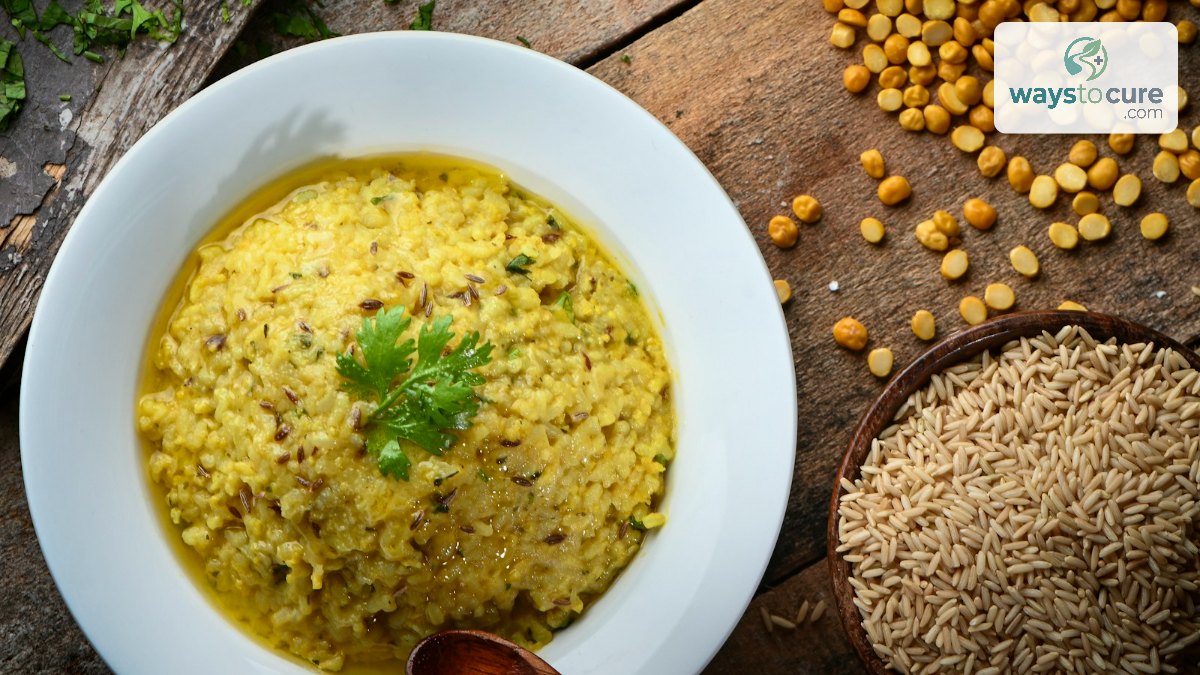
| Food | Khichdi, curd rice, plain dal with phulka, idli, boiled or steamed vegetables | Add a cooked sabzi with little oil, fruit, oats or dalia | Usual home food, with less oil and no deep-fried items |
| Skip | Fried snacks, mithai, alcohol, fizzy drinks, very spicy food | Fried snacks, alcohol, fizzy drinks | Keep fried food and sweets to a small portion, not a meal |
| Dinner | Finish 3 to 4 hours before bed | Finish 3 to 4 hours before bed | Finish 3 to 4 hours before bed |
| Movement | A gentle walk after meals instead of lying down | Walk after meals | Back to your usual exercise |
| Fluids | Plenty of water through the day | Plenty of water; tea and coffee kept modest | Same |
Meal size and timing
Portion size matters more than any single “good” or “bad” food. Eat from a smaller plate, serve once, and eat slowly. The American College of Gastroenterology’s 2022 reflux guideline suggests avoiding meals within two to three hours of bedtime; the NHS says three to four. If your family eats at 10 pm, try to bring your own dinner forward to 7.30 or 8, even if you sit with everyone later.
Fibre and fluids
Festive food is low in fibre, and constipation adds to bloating. The NHS suggests drinking plenty of water and, if you’re constipated, eating soluble fibre such as oats or linseed. Build it up over the three days rather than all at once.
One caution about dal: the NHS lists beans and lentils among foods that cause gas when eaten in large amounts. If dal tends to bloat you, keep the portion small and well cooked, or lean on curd rice and idli for the first day.
Stay upright and move
Instead of lying on the sofa after lunch, take a 10 to 15 minute walk around the colony or even inside the house. The NHS advice for bloating is to exercise regularly, including when you feel bloated, and to avoid slouching while eating. For more evening ideas, see our post on post-dinner habits for digestion.
Small changes at night that help
Night-time reflux (a burning chest or sour taste when you lie down) responds to a few physical changes:
- Raise the head end of your bed by about 10 to 20 cm, using sturdy blocks or bricks under the legs. The NHS says extra pillows can make things worse, because they bend you at the waist.
- Loosen tight waistbands. The NHS lists tight clothing around the waist as something to avoid.
- Don’t smoke, and keep alcohol off the menu for these three days.
Late dinners matter beyond acidity too. Our article on late-night eating and the liver looks at what the research says.
Antacids and acid-reducing tablets: what’s sensible
Antacids and alginates (the chalky tablets and syrups sold at every chemist) are fine for occasional symptoms. The NHS says to take them with food or soon after eating, when heartburn is most likely. They ease symptoms but don’t treat the cause, so they shouldn’t be used regularly for long periods.
Proton pump inhibitors (PPIs) such as omeprazole and pantoprazole reduce acid production. The NHS advice on omeprazole bought without a prescription is:
- Don’t take it for longer than 2 weeks without seeing a doctor
- Over-the-counter use is for adults over 18
- Check with a doctor or pharmacist first if you have a liver or kidney problem or osteoporosis, are pregnant or breastfeeding, or take other medicines
Timing matters if you do take one. The ACG guideline recommends taking a PPI 30 to 60 minutes before a meal, rather than at bedtime.
Don’t self-medicate if: you need antacids every day, you’ve already used a PPI for two weeks and the symptoms are back, you’re 55 or over and have lost weight without trying, or you have any of the red flags listed further down. Also avoid treating “acidity” with ibuprofen or other anti-inflammatory painkillers for a headache or body ache in the meantime, since the NHS lists these as a cause of heartburn.
Myths: cold milk and detox drinks
“A glass of cold milk cures acidity.” Milk can feel soothing for a few minutes, but it isn’t a treatment, and it doesn’t appear among the remedies the NHS or the ACG guideline recommend. Full-fat milk is also a fatty drink, and fatty food is one of the NHS’s listed triggers, so a big glass at bedtime can backfire. If a little milk helps you, fine, but don’t rely on it.
“I need a detox after Diwali.” The US National Center for Complementary and Integrative Health (NCCIH) says that there’s no compelling research showing detox diets remove toxins, and warns that some programmes cause harm, for example laxative-driven diarrhoea and dehydration. Plain home food and water are a better bet.
If you have diabetes, the festive week may also have pushed your sugar up; our Diwali sweets portion guide covers what to check.
When to see a doctor
Go to the emergency department or call 112 straight away if you have:
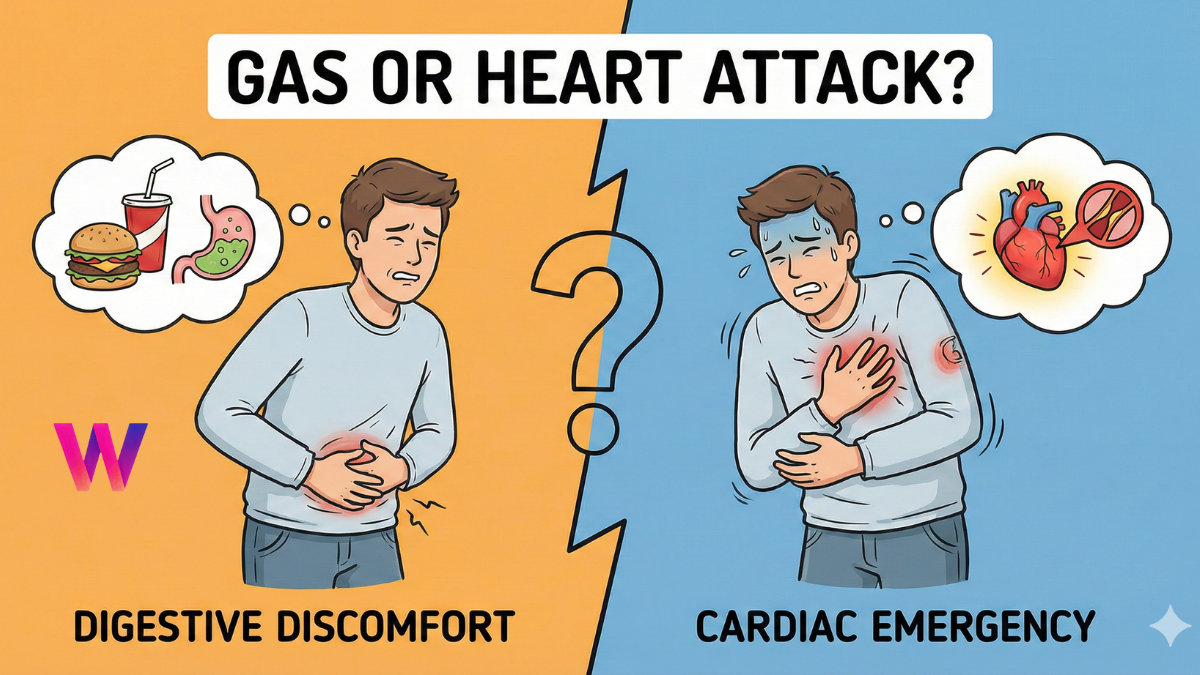
- Chest pain, pressure or tightness, especially with breathlessness, sweating, or pain spreading to the arm, jaw or back. The NHS lists “feeling like you have indigestion” as a heart attack symptom. Don’t wait to see if an antacid works; read more on gas pain versus a heart attack, but get checked first.
- Vomiting blood, or vomit that looks like ground coffee
- Black, sticky, tar-like stools, or blood in your stools (the NHS lists these as emergency signs of a bleeding ulcer)
- Severe tummy pain, or a swollen, tender stomach
Book a doctor’s appointment soon if you have:
- Difficulty swallowing, or food that feels stuck
- Weight loss you can’t explain
- Repeated vomiting
- Heartburn most days, or symptoms that aren’t better after two weeks of lifestyle changes and pharmacy medicine
- Age 55 or over with weight loss plus indigestion, reflux or upper tummy pain
That last point reflects UK guidance: under NICE’s suspected cancer guideline, summarised by the British Society of Gastroenterology, difficulty swallowing at any age, or being 55 or over with weight loss and upper abdominal pain, reflux or indigestion, should lead to urgent referral for checks. Most people with these symptoms don’t have cancer, but they need an examination and often an endoscopy rather than more antacids.
Frequently asked questions
How long does post-Diwali bloating last?
Bloating from overeating usually eases within a few days of smaller, plainer meals, more water and some walking. If it hasn’t settled after changing your diet, or keeps coming back, see a doctor.
Is khichdi good for acidity?
Khichdi is plain, soft and easy to keep low in oil, which makes it a good choice while your stomach settles. Keep it light on ghee and spice, and eat a modest portion.
Can I take a PPI like omeprazole for a few days?
Adults can take over-the-counter omeprazole for up to 2 weeks, 30 to 60 minutes before a meal. If you need it longer, or symptoms come back, see a doctor.
Does cold milk help acidity?
It may feel soothing briefly, but it isn’t a recommended treatment, and full-fat milk at bedtime can make reflux worse for some people.
Do I need a detox drink after Diwali?
No. There’s no good evidence detox drinks remove toxins. A few days of regular, smaller home meals and water works better.
This article is for general information and is not a substitute for advice from a doctor. If you have symptoms or a health condition, please consult a qualified healthcare professional.