If you think you’ve been exposed to HIV, ask for PEP (post-exposure prophylaxis) straight away: it works best started within 24 hours and must be started within 72 hours. After that, guidelines no longer recommend it, so don’t wait until Monday or until you’ve “seen how you feel”.
PEP is a 28-day course of HIV medicines that can stop the virus from taking hold after a single risky event, such as a condom breaking, sex with someone whose HIV status you don’t know, a sexual assault, sharing injecting equipment or a needlestick injury at work.
How soon do you need to start PEP?
The CDC’s clinical guidance on PEP tells doctors to start it “as soon as possible, ideally within 24 hours and no later than 72 hours after exposure.” The WHO’s 2024 PEP guideline update uses the same window and calls timing the most important factor. The NIH HIVinfo fact sheet on PEP puts it bluntly: every hour counts.
Hospital protocols for health workers aim even earlier. AIIMS New Delhi’s needle-stick injury protocol says PEP should start preferably within two hours and is not recommended after 72 hours.
| Time since exposure | What to do |
|---|---|
| 0 to 24 hours | Best window. Go now, including at night or at the weekend. |
| 24 to 72 hours | PEP is still recommended. Go today and say how many hours it has been. |
| More than 72 hours | PEP is not recommended. Still see a clinic for HIV and STI testing and to talk about PrEP. |
Do you actually need PEP?
According to the CDC guidance, doctors consider PEP when blood, semen, vaginal fluid or other body fluids from someone who has HIV, or might have it, touched a mucous membrane (vagina, anus, mouth, eyes) or broken skin. That covers sexual exposure and sharing needles or other injecting equipment.
You usually don’t need PEP if:
- The only contact was with saliva, sweat, tears or nasal mucus with no blood in it. The CDC says PEP is generally not indicated for these.
- You’re already taking PrEP as prescribed. The CDC says people on PrEP typically don’t need PEP.
- Your partner has HIV and an undetectable viral load on treatment. HIV Prevention England’s PEP page says you won’t need PEP in this case because the virus can’t be passed on.
If you aren’t sure which group you’re in, go anyway and let a clinician decide.
Where to get PEP in the US, UK and India
PEP is a prescription medicine, and where you go depends on the country and the time of day.
- United States: the CDC’s patient page on PEP says to contact your regular provider, an emergency room or an urgent care clinic right away. If it happened at work, report it to the right person at work and get medical attention immediately.
- United Kingdom: HIV Prevention England says the best place is a sexual health or HIV clinic, and out of hours you should go to A&E. PEP is not normally available from GPs, and it’s free on the NHS.
- India: health workers with a needlestick injury should report to their supervisor and the casualty medical officer, as the AIIMS protocol describes. For any other exposure, the emergency (casualty) department of a government hospital or medical college is a practical place to start, day or night.
- Elsewhere: the WHO now recommends offering PEP in community settings, giving pharmacies, police stations and online platforms as examples, and having pharmacists and community health workers dispense it. Services vary, so if you can’t find a clinic quickly, go to the nearest hospital emergency department.
Helpful things to tell staff: when the exposure happened (to the hour if you can), what kind of contact it was, and anything you know about the other person’s HIV status or treatment.
First aid before you leave home
For a needlestick or cut, the AIIMS protocol says to wash the wound and the skin around it with soap and water and rinse. Don’t scrub, don’t squeeze the wound to make it bleed, and don’t use bleach, alcohol, iodine or other antiseptics. Then get to care.
What happens at the appointment
The CDC lists a baseline HIV test, a pregnancy test where relevant, liver and kidney tests, tests for chlamydia, gonorrhoea and syphilis, and hepatitis B and C screening. The first dose should not be delayed while you wait for those results. HIV Prevention England notes the HIV test is there to check you don’t already have HIV.
If you’ve had a sexual exposure, the STI tests matter too. Our guide on how soon after unprotected sex you can test for STIs explains when each test becomes accurate.
Which medicines are used, and for how long?
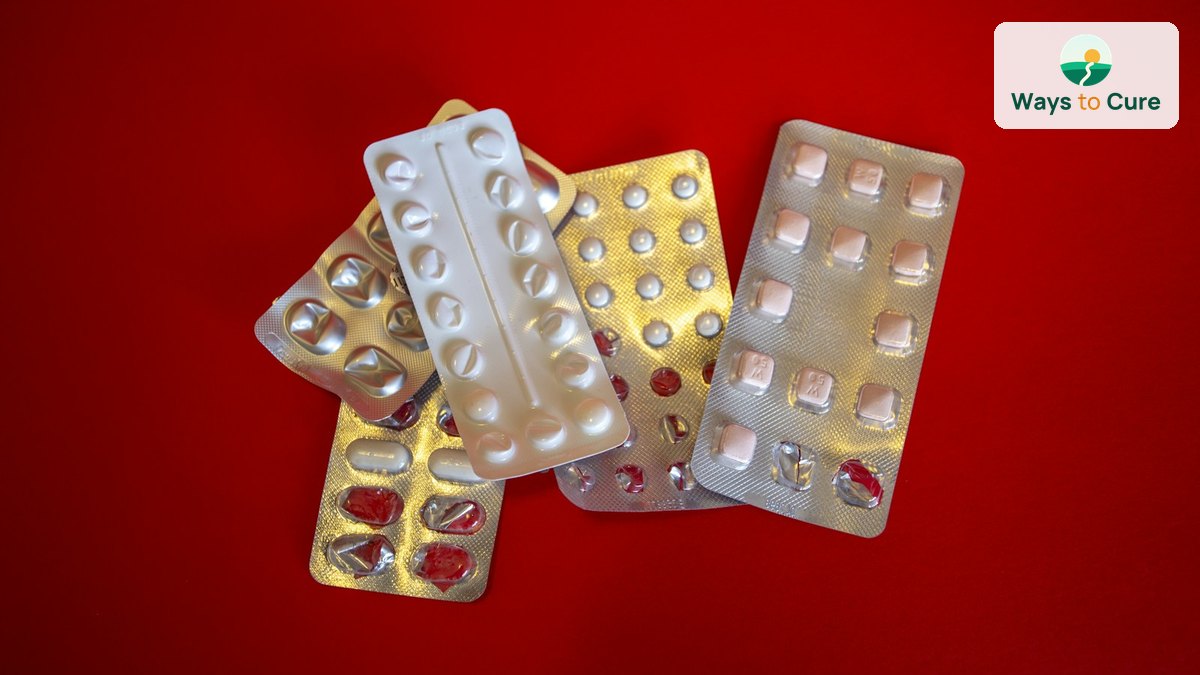
PEP is three HIV medicines taken every day for 28 days. For most adults and teenagers, the CDC’s preferred options are:
- bictegravir / emtricitabine / tenofovir alafenamide, a single combined tablet; or
- dolutegravir plus tenofovir (alafenamide or disoproxil fumarate) plus emtricitabine or lamivudine.
The WHO also prefers three-drug regimens, though it notes two drugs can work. The exact combination depends on what your country stocks, your kidney function, pregnancy and other medicines you take, so tell the prescriber about everything, including supplements and antacids.
The NIH says PEP is most effective when started right away and taken every day for the full 28 days, and that success depends on taking every dose as prescribed. Set a phone alarm for the same time daily. If you miss a dose, call the clinic or a pharmacist for advice rather than doubling up on your own.
What are the side effects of PEP?
Most people manage the course without major problems. The NIH lists the common side effects as diarrhoea, nausea, tiredness and headache, usually mild. HIV Prevention England says side effects tend to show up in the first few days. Less often, PEP can cause serious effects such as liver problems or lactic acidosis.
| Side effect | What helps | Call the clinic if… |
|---|---|---|
| Nausea | Take the dose with food; small, plain meals. Our piece on how much ginger helps nausea has safe amounts. | You vomit within an hour of a dose, or can’t keep doses down |
| Diarrhoea | Drink plenty of fluids | It lasts more than a couple of days or you feel dizzy and dry |
| Tiredness, headache | Rest; ask a pharmacist which pain reliever suits your regimen | It’s severe or getting worse |
Don’t stop the course early because of side effects without talking to the prescriber first. There are often other regimens they can switch you to.
HIV testing after PEP
Finishing PEP isn’t the end. The CDC guidance describes follow-up HIV testing at 4 to 6 weeks and again at 12 weeks after exposure. Schedules differ between countries and situations: the AIIMS protocol for health workers, for example, tests at 3 and 6 months. Follow the plan your clinic gives you.
Until your follow-up tests are clear, use condoms and don’t share injecting equipment, so you protect partners in the rare case PEP didn’t work.
PEP vs PrEP: which do you need?
PEP is for emergencies after a single exposure. PrEP is taken before exposure, either as a regular pill or a less frequent injection, according to the NIH. The CDC says PEP isn’t the right choice if you may be exposed to HIV often, and that you should ask about PrEP instead.
If you’ve needed PEP more than once in a year, or you expect more risky situations, ask the clinic about moving onto PrEP when your PEP course ends.
Who pays for PEP?
In the UK it’s free on the NHS. In the US, the CDC says workplace insurance or workers’ compensation usually covers occupational exposures, people who’ve been sexually assaulted may qualify for partial or full reimbursement, and uninsured people can have their provider apply for free PEP through drug company assistance programmes, often urgently. Cost should never stop you from going in the first 72 hours; ask about it once you’re there.
When to see a doctor urgently
Go to a clinic or emergency department now if:
- You had a possible HIV exposure in the last 72 hours and haven’t started PEP.
- You were sexually assaulted. Tell staff when it happened so they can assess you for PEP along with any other care you need.
- You’re vomiting and can’t keep your PEP doses down.
While taking PEP, contact the clinic the same day if you notice yellowing of the skin or eyes, dark urine, pain under the right ribs, or unusual weakness, fast breathing and stomach pain. These can be signs of the rarer liver problems or lactic acidosis. Our article on jaundice in adults explains what yellowing can mean.
The AIIMS protocol notes that symptoms of a new HIV infection almost always appear within 3 to 6 weeks of exposure. If you develop a fever or flu-like illness in that time, tell the clinic and get tested rather than waiting for your scheduled appointment. If you feel very unwell or have trouble breathing, call your local emergency number (911 in the US, 999 in the UK, 112 in the EU and India).
A possible exposure can be frightening, and a sexual assault even more so. If you’re struggling, you can call 988 in the US, Samaritans on 116 123 in the UK, or Tele-MANAS on 14416 in India.
Frequently asked questions
Can I take PEP after 72 hours?
Guidelines from the CDC and WHO don’t recommend starting PEP after 72 hours because it’s unlikely to work. You should still see a clinic for testing and advice.
How effective is PEP?
It works best when started early and taken every day for 28 days. Missed doses and late starts make it less likely to work, so follow-up HIV tests are still needed.
Can I get PEP from a pharmacy?
In some countries, yes. The WHO recommends community delivery, including pharmacies. In the UK, go to a sexual health clinic or A&E; in the US, a doctor, urgent care or emergency room.
Can I take PEP if I’m pregnant?
PEP can still be offered. CDC guidelines include specific recommendations for pregnant women, so tell the prescriber if you’re pregnant or might be so they can choose the right regimen.
Do I need PEP if my partner is HIV positive but undetectable?
No. HIV Prevention England says PEP isn’t needed when the partner has an undetectable viral load, because HIV can’t be passed on sexually.
This article is for general information and is not a substitute for advice from a doctor. If you have symptoms or a health condition, please consult a qualified healthcare professional.