For most healthy adults, an occasional energy drink is unlikely to harm your heart, but several cans a day, big 16 oz to 32 oz servings, or mixing them with alcohol, hard exercise or stimulant pills can push your heart rate, blood pressure and heart rhythm in the wrong direction. If you have a heart condition, high blood pressure, a history of palpitations or fainting, or you’re under 18 or pregnant, it’s safer to skip them.
The question is back in the news after a November 2026 analysis of FDA safety reports linked these drinks and stimulant supplements to cardiac arrest and heart attacks in young adults. Here’s what that study can and can’t tell you.
What the new 2026 study found
Researchers at the University of Virginia looked at 28,345 reports sent to an FDA adverse-event database between 2017 and 2025, from people aged 13 and older. Of those, 854 involved caffeinated energy drinks or stimulant-containing supplements. They compared these with reports about products without stimulants, such as soft drinks, protein bars, shakes and vitamins. According to the American Heart Association news release on the study, reports involving stimulant products mentioned:
- cardiac arrest about 11 times as often
- heart attack about 4.5 times as often
- dangerous ventricular rhythms or palpitations about 4 times as often
- a fast heart rate nearly 3 times as often, and chest pain 2.71 times as often
- fainting about twice as often
About 45% of the heart-related reports came from adults aged 18 to 34, and the pattern was similar in men and women.
Why those numbers sound scarier than they are
This was a conference abstract, not a peer-reviewed paper yet. The reports are voluntary, so nobody knows how many millions of people drank energy drinks with no problem, or how many events were never reported. The study can’t show that the drinks caused the events: alcohol, drugs, intense exercise or an undiagnosed heart condition may have played a part. Even Gregory Marcus, who chaired the AHA’s 2026 statement on caffeine and the heart and wasn’t involved in the work, said it raises concern about very high-caffeine products but doesn’t prove they cause these events.
So it’s a warning signal worth taking seriously, not proof that one can will stop your heart.
How energy drinks affect your heart
The main active ingredient is caffeine, which speeds up the heart and raises blood pressure for a few hours. The FDA’s guide to caffeine lists a faster heart rate, palpitations and higher blood pressure among the effects of too much, alongside insomnia, jitters, anxiety, nausea and headache.
Many drinks also contain guarana or green tea extract, which add more caffeine, plus taurine and lots of sugar. Some pre-workout and fat-burner supplements add stimulants such as synephrine. These products are regulated as foods or supplements, not medicines, so they skip the safety testing drugs go through.
There’s also controlled trial evidence. In a randomised trial published in the Journal of the American Heart Association (2019), 34 healthy young adults drank 32 oz (about 950 ml) of one of two energy drinks, or a placebo, within an hour. Both energy drinks raised blood pressure and lengthened the QTc interval (a measure of how long the heart takes to recharge between beats) more than placebo. Two people had a QTc rise of more than 50 milliseconds after an energy drink and none did after placebo. The study was small and short-term, but a long QTc can trigger dangerous rhythms in people already prone to them.
How much caffeine is in an energy drink?
It varies a lot by brand and can size, which is part of the problem. Here are typical ranges from the FDA and the NHS:
| Drink | Serving | Typical caffeine |
|---|---|---|
| Small energy drink | 250 ml (8.4 oz) can | About 80 mg |
| Energy drink | 12 oz (355 ml) | 41 to 246 mg |
| Large energy drink | 16 oz (473 ml) | 54 to 328 mg |
| Brewed coffee | 12 oz (355 ml) | 113 to 247 mg |
| Black tea | 12 oz (355 ml) | About 71 mg |
| Caffeinated cola | 12 oz (355 ml) | 23 to 83 mg |
The 250 ml figure comes from the NHS page on foods to limit in pregnancy; the rest are from the FDA. So a small can can be gentler than a big coffee, while a large can of a strong brand holds most of a day’s limit. Always read the label, which usually lists caffeine per can or per 100 ml.
How much caffeine is safe per day?
Health agencies broadly agree on these limits for caffeine from all sources combined:
- Healthy adults: up to 400 mg a day. The FDA says this level isn’t generally linked to harmful effects, and the AHA’s 2026 statement calls it generally safe for most adults.
- Single dose for adults: up to 200 mg at once, according to the European Food Safety Authority (EFSA), which also says 200 mg less than two hours before hard exercise is fine in normal conditions.
- Pregnancy and breastfeeding: up to 200 mg a day (EFSA and NHS).
- Children and teens: EFSA uses 3 mg per kg of body weight a day, so about 150 mg for a 50 kg (110 lb) teenager. The American Academy of Pediatrics, as cited by the FDA, advises against energy drinks for children and teens altogether.
These are upper limits, not targets. EFSA notes that even 100 mg near bedtime can disturb sleep for some adults. If you’re waking up wired at night, our guide to why you might wake up at 3am covers caffeine timing too.
Pure caffeine powders and concentrated liquids are a different level of risk. The FDA warns that about 1,200 mg taken quickly, less than half a teaspoon of powder, can cause seizures, and these products have caused deaths.
Who should avoid energy drinks
Skip them, or talk to your doctor first, if any of these apply to you:
- You have a known heart condition, such as a rhythm problem, cardiomyopathy, long QT syndrome, a heart valve problem or past heart attack.
- You’ve had unexplained fainting, especially during exercise, or a close relative died suddenly and unexpectedly under the age of 50.
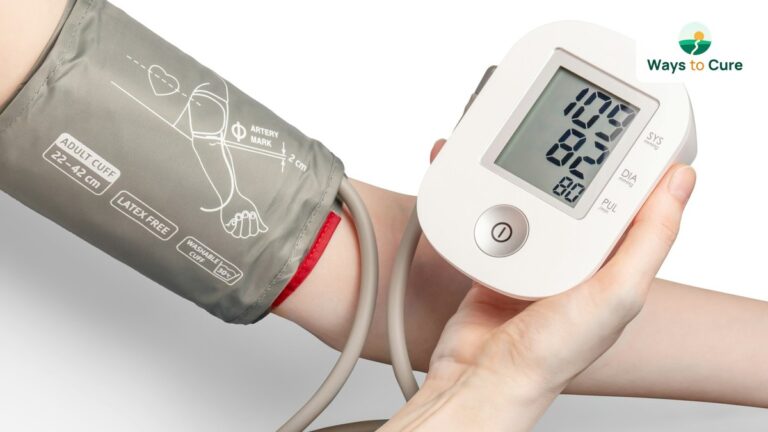
- You have high blood pressure. If you check it at home, our guide to choosing a home blood pressure monitor explains how to get reliable readings.
- You take stimulant medicines (for example for ADHD), some decongestants, or weight-loss pills.
- You’re pregnant, trying to conceive or breastfeeding.
- You’re under 18.
- You have anxiety or panic attacks, which caffeine can make worse.
Situations that raise the risk
Most worrying cases involve more than one drink. Take extra care with:
- Several cans in a row, for example during exams, long drives or night shifts.
- Energy drinks with alcohol. Caffeine can mask how drunk you feel, so people often drink more.
- Pre-workout drinks plus hard exercise, especially in heat or when you’re dehydrated.
- Stacking sources: a big coffee, then an energy drink, then a caffeinated supplement. It adds up quickly. Products sold for “energy” or “performance” can also contain undeclared ingredients, a problem we’ve covered in our piece on hidden drugs in supplements.
Rules on energy drinks differ by country
In the US, there’s no legal age limit to buy energy drinks, and the FDA relies on general caffeine guidance. In England, the government has confirmed it will ban sales of high-caffeine energy drinks to under-16s from April 2027, subject to Parliament. The ban covers drinks other than tea or coffee with more than 150 mg of caffeine per litre, sold in shops, vending machines and online. In India and elsewhere, rules and labels vary, so the can itself is your best guide to what’s in it.
How to cut back without a crash
Stopping several cans a day suddenly can bring a few days of headaches and tiredness. Try this instead:
- Count your total caffeine for a few days, including coffee, tea, cola and supplements.
- Drop one can every three or four days, or switch to a smaller can or a lower-caffeine drink.
- Keep caffeine to the morning and early afternoon so it doesn’t wreck your sleep.
- Fix the reason you need it: short sleep, skipped meals and long screen stretches all drain energy.
When to see a doctor
Get emergency help and call your local emergency number (911 in the US, 999 in the UK, 112 in the EU and India) if you or someone else has any of these after energy drinks or stimulant supplements:
- chest pain, pressure or tightness, especially if it spreads to the arm, jaw or back
- fainting or collapse
- a racing or irregular heartbeat that doesn’t settle within a few minutes of resting
- severe shortness of breath
- a seizure, confusion or severe vomiting
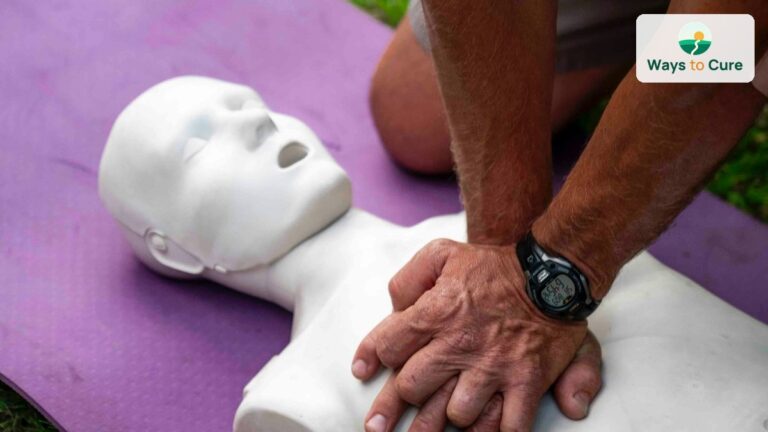
If someone collapses and isn’t breathing normally, start chest compressions straight away. Our step-by-step guide on how to do CPR on an adult is worth reading before you ever need it.
Book a routine appointment if you get palpitations, dizziness or a pounding heart after caffeine more than once, if your home blood pressure readings are often high, or if you find you can’t get through the day without several energy drinks. The AHA release specifically urges doctors to ask younger patients with palpitations, chest pain or fainting about these products, so mention them even if you think they’re unrelated.
Frequently asked questions
Is one energy drink a day bad for your heart?
For a healthy adult, one standard can a day that keeps your total caffeine under 400 mg is unlikely to harm your heart. The risk rises with large or strong cans, several a day, alcohol or stimulant supplements, and existing heart problems.
Are energy drinks worse than coffee?
Not always on caffeine alone: a 12 oz brewed coffee can contain as much as or more than a can. But energy drinks are often drunk fast, cold and in large sizes, may contain extra stimulants and lots of sugar, and are popular with teens.
Can energy drinks cause a heart attack in a young person?
It’s rare, and the 2026 study can’t prove cause and effect. Most reported cases seem to involve heavy use, other substances, hard exercise or an undiagnosed heart condition. If you’ve ever fainted during exercise or have a family history of sudden death, avoid them and get checked.
Are sugar-free energy drinks safer for the heart?
They cut sugar and calories, which helps your weight and teeth, but they usually have the same caffeine and stimulants. Their short-term effect on heart rate and blood pressure is similar.
This article is for general information and is not a substitute for advice from a doctor. If you have symptoms or a health condition, please consult a qualified healthcare professional.