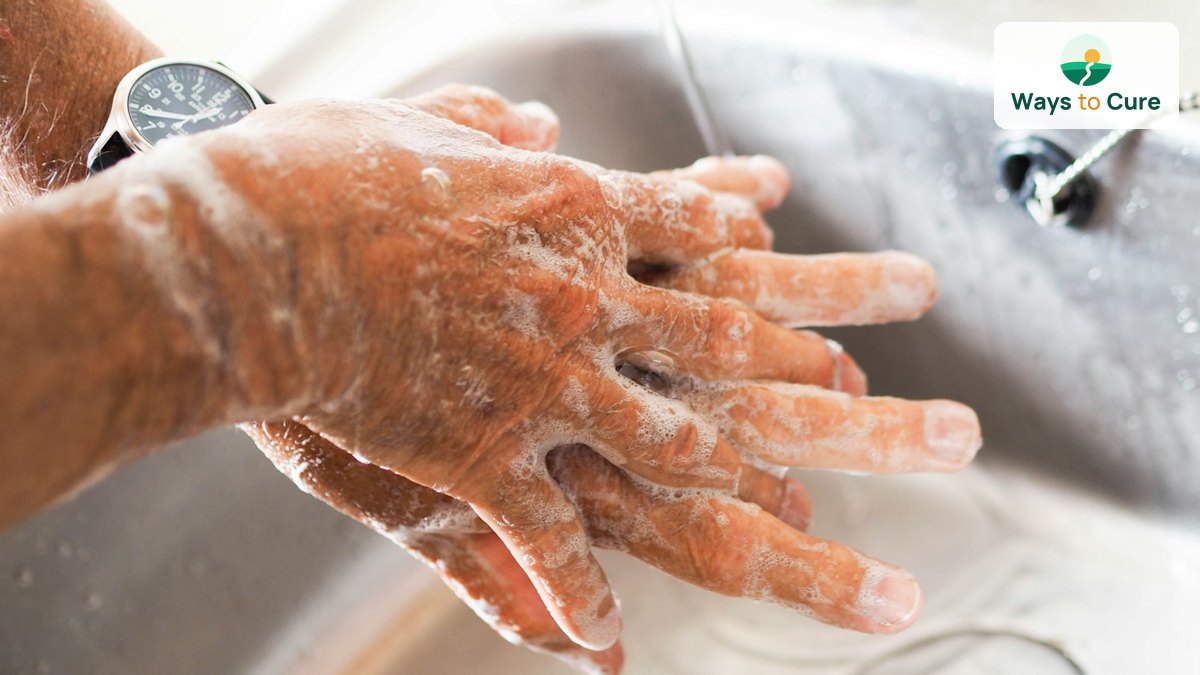
If someone in your home has the flu, you can cut your chances of catching it, but you have to move fast: the first two or three days of their illness are when they shed the most virus. Keep your distance, give them their own room if you can, wash your hands after every contact, open a window, and ask a doctor today about preventive antiviral medicine if you or anyone else in the house is at high risk.
This season makes it more pressing than usual. Flu arrived early in 2026, and the CDC’s FluView report for the week ending 7 November 2026 said activity was higher than normal for that time of year, with 11.3% of clinical lab tests positive and almost all subtyped flu A viruses being H1N1.
How quickly flu spreads inside a home
According to the CDC’s page on how flu spreads, flu passes mainly through droplets made when an infected person coughs, sneezes or talks. It can also spread when you touch a surface with virus on it and then touch your eyes, nose or mouth. The NHS flu page says these germs can live on hands and surfaces for 24 hours.
The timing matters more than most people realise:
- People can pass on flu from about one day before symptoms start, so you’ve probably been exposed once already.
- They’re most contagious in the first three days of illness.
- Virus can still be detected for up to five to seven days after the illness begins.
- If you catch it, your own symptoms usually start about two days after infection, with a range of one to four days.
So the useful window is short: the first 36 to 48 hours after their symptoms start count far more than day five.
Does trying actually work?
Yes, though nothing is guaranteed. The best household study is a randomised trial of 259 Hong Kong households, published in the Annals of Internal Medicine (Cowling and colleagues, 2009). Families were given either general health advice, hand hygiene, or hand hygiene plus surgical face masks for everyone in the home. Overall the differences weren’t significant, but in households that started within 36 hours of the sick person’s first symptoms, masks plus hand hygiene cut the odds of other family members getting infected to about a third of those in the control group.
So start the same day symptoms appear, and keep it up.
Your first-day checklist
Set this up as soon as someone tests positive or has classic flu symptoms (sudden fever, aches, exhaustion, dry cough). It builds on the CDC’s advice on caring for someone sick.
| Step | What it looks like in practice | Why it helps |
|---|---|---|
| Separate room | The sick person sleeps and rests in one room with the door closed. If you share a bed, one of you moves to the sofa for a few nights. | Less face-to-face time means fewer droplets reach you. |
| One caregiver | Pick one healthy adult to bring food, drinks and medicine. Ideally not someone pregnant, over 65 or with a long-term condition. | Fewer people exposed. |
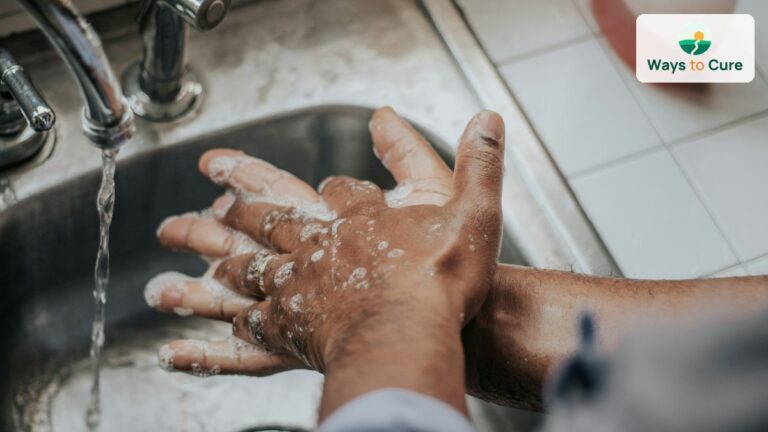
| Hand washing | Soap and water for 20 seconds after touching them, their tissues, cups, plates or laundry. Alcohol hand rub if there’s no sink nearby. | Stops virus moving from hands to your face. |
| Masks | The sick person wears one when someone else is in the room, and the caregiver wears one too. | Cuts down droplets in close contact. |
| Fresh air | Open a window a little in the sick room and shared rooms, run an extractor fan, or use a HEPA air purifier. | Dilutes virus in the air. |
| Own bathroom, towels, cups | Use a separate bathroom if you have two. If not, give them their own hand towel or switch to paper towels. | Removes shared touchpoints. |
| Daily wipe-down | Door handles, light switches, taps, the toilet flush, TV remotes and phones, with ordinary household disinfectant. | Virus on hard surfaces can last about a day. |
| Laundry and dishes | Normal detergent and hot soapy water are fine. Wash your hands after loading the machine. | No special products needed. |
Masks at home: worth the hassle?
Wearing a mask in your own kitchen feels odd, but in the Hong Kong trial the benefit only showed up when masks were combined with hand washing and started early. The CDC calls masks an optional extra layer that helps most when a sick person is face to face with someone who’s well.
You don’t need to mask all day. Focus on close moments: bringing in a tray, giving medicine, sitting with them. The trial used ordinary surgical masks, so you don’t need anything special, just one that fits snugly over your nose and mouth. Young children who can’t keep a mask on shouldn’t be forced to; put your effort into distance and hand washing instead.
Can you take antivirals to avoid catching it?
Sometimes, yes. Doctors call this post-exposure prophylaxis: a short course of antiviral medicine after contact with someone who has flu, before you get sick.
The strongest data comes from a 2020 trial in the New England Journal of Medicine on baloxavir in household contacts. In 752 family members of people with confirmed flu in Japan, a single dose of baloxavir marboxil (Xofluza) cut confirmed symptomatic flu from 13.6% in the placebo group to 1.9%. Side effects were about the same as placebo.
Here’s what the official guidance says:
- Timing: The CDC Yellow Book chapter on influenza says preventive antivirals should start within 48 hours of exposure, and never later, because a late start risks under-treating an infection that has already begun.
- Who gets them (US): The CDC doesn’t recommend routine preventive antivirals for everyone. They’re mainly considered for close contacts at higher risk of complications. The other option is to watch for symptoms and start treatment straight away if they appear.
- Who gets them (UK): The NHS follows NICE and UKHSA rules, which allow preventive antivirals for at-risk household contacts, ideally started within 48 hours.
- Which drugs: The CDC’s antiviral summary for clinicians lists oseltamivir (Tamiflu) and inhaled zanamivir (Relenza), each taken once a day for 7 days after the last known exposure, or a single dose of baloxavir for people aged 5 and over within 48 hours of contact.
- Elsewhere: In India and other countries, ask your doctor rather than buying an antiviral on your own, because the drug and dose depend on age, weight, kidney function and other medicines.
If anyone at home is pregnant, over 65, or has a long-term condition or weakened immune system, call your doctor or pharmacist the same day symptoms start in the sick person. Don’t wait to see if you get ill too.
Is it too late for a flu shot?
Not for the season, but it won’t stop this exposure. The CDC says antibodies take about two weeks to develop after vaccination. A jab today will still protect you against later exposures this winter, which matters in a season that started this early.
Our guides to pneumonia and flu vaccines for people over 50 and flu and RSV vaccine timing in pregnancy cover who’s eligible.
If the sick person is a child
You can’t shut a feverish four-year-old in a separate room. A more realistic plan:
- Choose one parent as the main carer, and let the other look after the other children. Hold the child over your shoulder rather than nose to nose.
- Wash your hands after wiping noses, and empty the tissue bin often.
- Keep the sick child home from school or nursery. The CDC says to stay home until symptoms are improving overall and there’s been no fever for at least 24 hours without fever-reducing medicine.
Things that won’t protect you
Some popular ideas don’t do much against household flu. If you do get ill, our 2026-27 flu season guide explains treatment and recovery, and a salt water gargle can ease a sore throat.
- Antibiotics. Flu is a virus, so they don’t work. See our explainer on when you do and don’t need antibiotics for a cold or cough.
- Megadoses of vitamin C, zinc lozenges or “immune boosters”. None of these is part of any official advice for preventing flu after an exposure.
- Leaving for one night. If you’re back sharing the same rooms the next day, steady habits over five days count for more.
When to see a doctor
Contact a doctor (or NHS 111 in the UK) the same day if the sick person, or you:
- are 65 or older, pregnant or recently gave birth, or have a long-term condition or weakened immune system
- feel short of breath
- still have symptoms that aren’t improving after 7 days
- are caring for a baby or child whose symptoms worry you
Get emergency help if anyone in the house has any of these. Call your local emergency number (911 in the US, 999 in the UK, 112 in the EU and India):
- difficulty breathing, gasping, or being unable to speak in full sentences
- sudden chest pain
- coughing up blood
- confusion, persistent dizziness, or being very hard to wake
- severe weakness or unsteadiness
- in children: fast or laboured breathing, bluish lips or face, or a seizure
Also watch for anyone who starts to improve and then gets worse again, with a returning fever or worse cough, which can mean a complication such as pneumonia.
Frequently asked questions
How long after exposure will I know if I’ve caught the flu?
Symptoms usually start about two days after infection, with a range of one to four days. If you’re still well about four days after your last close contact, you’ve most likely avoided it this time.
Should I sleep in the same bed as my partner who has flu?
It’s better not to for the first few days, when they’re most contagious. Sleeping in another room for three to five nights is one of the easiest ways to cut your exposure.
Is Tamiflu worth taking if my child has flu but I feel fine?
It depends on your risk. The CDC doesn’t recommend preventive antivirals for everyone, but they’re often considered for people at higher risk of complications. If that’s you, or someone else at home, call your doctor within 48 hours of the exposure.
When can the sick person go back to work or school?
The CDC’s guidance is to stay home until symptoms have been improving overall and there’s been no fever for at least 24 hours without using fever-reducing medicine. Even then, wash hands carefully and wear a mask around others for a few more days.
This article is for general information and is not a substitute for advice from a doctor. If you have symptoms or a health condition, please consult a qualified healthcare professional.