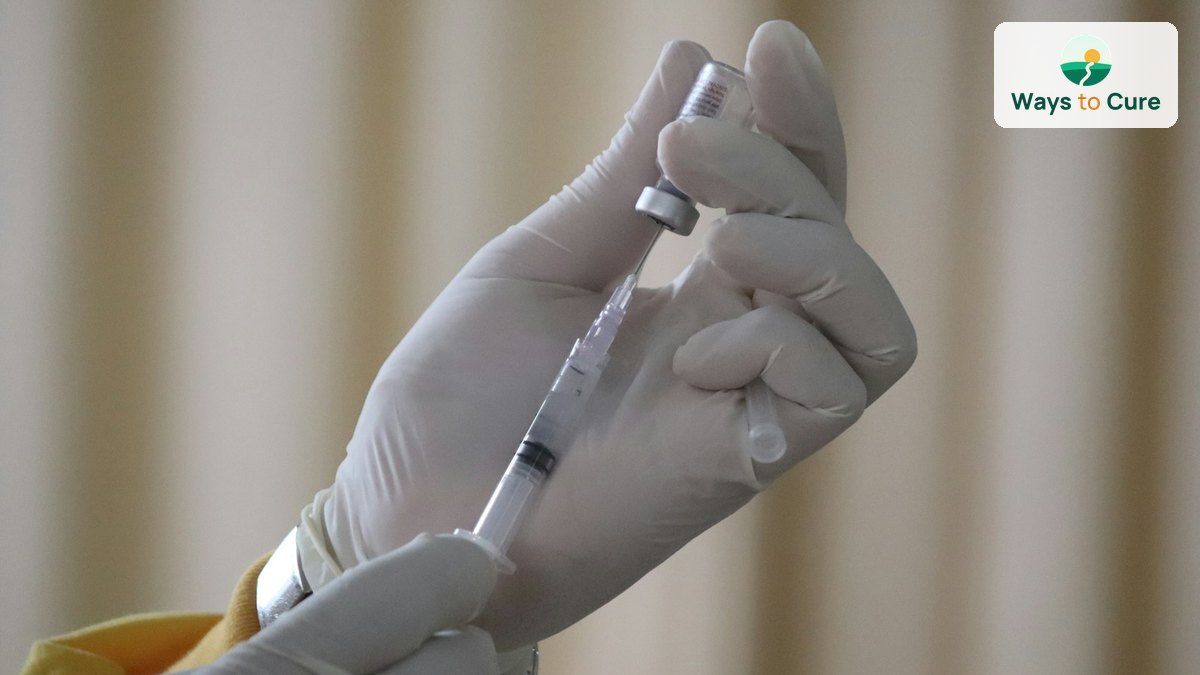
If you’re 50 or older in the US, you now need a pneumococcal (pneumonia) vaccine: either one dose of PCV20 or PCV21, or PCV15 followed by PPSV23 a year later. You also need a flu shot every autumn, and if you’re 65 or older, a high-dose, adjuvanted or recombinant flu vaccine is the preferred choice. Both can be given at the same visit.
The rules differ by country, though. The UK offers the pneumococcal vaccine at 65, not 50, and India has no government programme for adults. If you’re reading this because a parent recently had a chest infection, our guide to early signs of pneumonia in older adults covers the symptoms families tend to miss.
Which pneumonia vaccine do I need over 50?
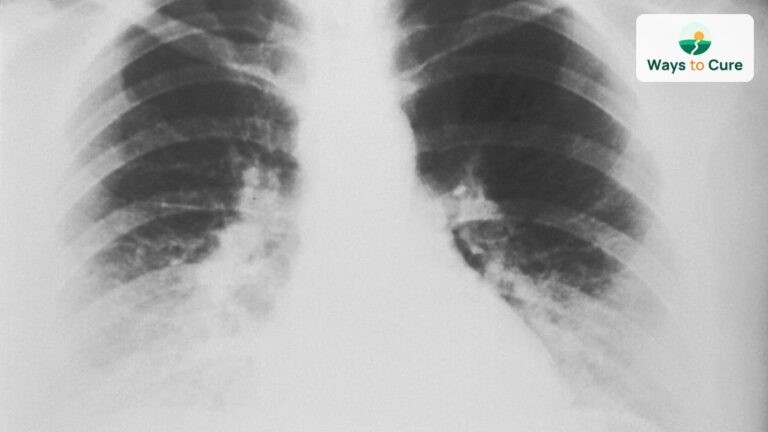
“Pneumonia vaccine” usually means a pneumococcal vaccine. It protects against Streptococcus pneumoniae, a bacterium that can cause pneumonia as well as blood infections and meningitis. It doesn’t protect against every cause of pneumonia, which is why the flu vaccine matters too. Our overview of types of pneumonia explains the other bacteria and viruses involved.
In the US, the age for routine pneumococcal vaccination dropped from 65 to 50. The CDC now recommends pneumococcal vaccination for all adults 50 and older, and for adults 19 to 49 who have certain risk conditions. There are two types of vaccine:
- Conjugate vaccines (PCV15, PCV20, PCV21). The number is how many strains of the bacterium each one covers.
- Polysaccharide vaccine (PPSV23). Covers 23 strains and is now used only as a follow-up after PCV15.
For most adults it comes down to one of two routes, according to the CDC’s adult schedule:
- One shot: PCV20 or PCV21. That’s it. No PPSV23 is needed afterwards.
- Two shots: PCV15, then one dose of PPSV23 a year later. For people with a weakened immune system, a cochlear implant or a cerebrospinal fluid leak, the gap can be shortened to 8 weeks.
This applies if you’ve never had a conjugate vaccine or don’t know whether you have. If you’ve had pneumococcal shots before, the answer depends on which ones and when. For example, CDC says adults 65 or older who already had PCV13 and then PPSV23 at 65 or later can choose, with their doctor, whether to get PCV20 or PCV21 or stop there.
Pneumonia, flu and RSV vaccines compared
Use this as a starting point for a chat with your doctor.
| Vaccine | Who it’s for (US) | Who it’s for (UK NHS) | How often |
|---|---|---|---|
| PCV20 or PCV21 (pneumococcal) | All adults 50+; adults 19-49 with certain risk conditions | Adults 65+ get PCV20 (Prevenar 20); younger adults at higher risk too | Once for most adults (on the NHS, some higher-risk people need more) |
| PCV15, then PPSV23 (pneumococcal) | Same groups, as an alternative to PCV20 or PCV21 | Not the usual NHS route | Two doses, 1 year apart (8 weeks for some higher-risk people) |
| Flu vaccine | Yearly; at 65+, high-dose, adjuvanted or recombinant preferred | Adults 65+ (including anyone turning 65 by 31 March 2027); younger adults with certain conditions | Every year, ideally by the end of October in the US |
| RSV vaccine | All adults 75+; adults 50-74 at increased risk | Adults 75+ | Single dose for older adults on the NHS |
UK: pneumococcal vaccine at 65 and the yearly flu jab
The NHS hasn’t followed the US move to age 50. According to the NHS pneumococcal vaccine page, adults get one dose when they’re 65 or older, and the vaccine usually given to adults is Prevenar 20 (PCV20). Adults with certain health conditions can get it younger, and some of them need extra or regular doses.
For the 2026-27 flu season, the NHS flu vaccine is free for adults aged 65 or over, including anyone who turns 65 by 31 March 2027. Younger adults with certain long-term conditions, pregnant people, care home residents and unpaid carers also qualify. So if you’re 50 to 64 and healthy, the free NHS flu jab isn’t offered to you on age alone.
Over-65s in the UK are offered one of several types: an adjuvanted vaccine, a high-dose vaccine, a recombinant vaccine or a cell-based vaccine.
India: there’s no government adult programme
India’s Universal Immunization Programme is built around newborns and young children. Flu and pneumococcal vaccines for older adults aren’t part of it, so you’ll usually need to ask your doctor for them yourself.
The main Indian guidance comes from doctors’ societies. The Association of Physicians of India (API) published adult immunisation guidelines in 2024, developed with other professional bodies. A 2025 review of those guidelines in the International Journal of Community Medicine and Public Health says they recommend a yearly flu vaccine and a pneumococcal vaccine for adults over 50. For pneumococcal protection, the guidelines list PCV13 followed by PPSV23 a year later, and add that PCV20 alone, or PCV15 followed by PPSV23 a year later, can be used once those vaccines are approved and available.
Ask your physician which pneumococcal vaccine is available locally and whether you need one or two doses. If you have a long-term condition such as diabetes or a lung, liver or kidney disease, raise it even if you’re under 50.
Which flu vaccine is best if you’re over 65?
The CDC’s advice for people 65 and older is to get one of three preferred types instead of a standard-dose vaccine, because they’re designed to produce a stronger immune response:
- High-dose inactivated vaccine, which contains four times the antigen of a standard shot.
- Recombinant vaccine, which contains only the antigen part of the virus and no virus itself.
- Adjuvanted vaccine, which includes an added ingredient (an adjuvant) that strengthens the immune response. CDC notes that in studies of US Medicare patients, the adjuvanted vaccine gave better protection against flu-related hospital and emergency visits than a standard-dose vaccine.
If none is available when you go, get a standard-dose flu shot instead. The nasal spray flu vaccine is not for people 65 and older.
Timing matters too. CDC says September and October are good months to get vaccinated in the US, and adults 65 and older generally shouldn’t get it in July or August, because protection may fade before the end of the season. For flu symptoms, antivirals and this season’s vaccine, see our 2026 flu season guide.
Can I get the flu and pneumonia vaccine together?
Yes. CDC says you can get the pneumococcal vaccine your provider recommends at the same visit as your flu shot, and the NHS says the same for its pneumococcal vaccine. The CDC flu vaccine information statement also notes that flu vaccine can be given at the same time as other vaccines.
Ask the nurse or pharmacist to write both product names in your record, so the next clinic knows exactly what you’ve had.
Side effects you can expect
Most reactions are mild and short-lived. For the pneumococcal conjugate vaccines (PCV15, PCV20, PCV21), CDC lists:
- Pain, redness or swelling where the shot was given
- Fever or chills
- Tiredness
- Headache and muscle aches
PPSV23 causes much the same. These usually clear up within a few days.
For the flu shot, the NHS says the common effects are a sore arm, a slight fever and body aches, which usually settle within 1-2 days. CDC reports that some reactions, such as pain at the injection site, are a bit more common after the adjuvanted vaccine than after a standard one, but they’re still mostly mild. Some people faint after an injection, so tell the vaccinator straight away if you feel dizzy, your vision changes or your ears ring.
Who shouldn’t get these vaccines, or should wait
The main reasons to skip a vaccine or check first are:
- A severe allergic reaction (anaphylaxis) to a previous dose of the same vaccine, or to any of its ingredients.
- For the conjugate pneumococcal vaccines (PCV15, PCV20, PCV21): a life-threatening allergic reaction to any vaccine containing diphtheria toxoid, such as a tetanus-diphtheria shot.
- A history of Guillain-Barré syndrome: tell your provider before a flu shot so you can decide together.
- Feeling quite unwell or having a high temperature on the day: wait until you’ve recovered. A mild cold usually isn’t a reason to put it off.
Egg allergy no longer rules out a flu shot. CDC says people with an egg allergy can have any flu vaccine that’s otherwise right for their age and health.
When to see a doctor or get emergency help
Serious allergic reactions are rare. Call your local emergency number (911 in the US, 999 in the UK, 112 in the EU and India) if you notice:
- Hives (raised, itchy welts on the skin)
- Swelling of the face or throat
- Trouble breathing
- A fast heartbeat, dizziness or sudden weakness
See a doctor soon if a fever or aches last more than a few days after the vaccine, or if a red, swollen area on the arm keeps spreading instead of settling.
Vaccines lower the risk but don’t stop every infection. If an older adult develops a cough with fever, breathlessness or new confusion, get them seen by a doctor the same day, whatever their vaccine history.
Frequently asked questions
Do I need a pneumonia vaccine booster every few years?
Most adults don’t. A single PCV20 or PCV21 dose, or PCV15 plus one PPSV23, completes the series for most people in the US. The NHS gives one dose at 65 to most adults, though some people with certain health conditions need extra doses.
I’m 52 and healthy. Do I really need it now?
In the US, yes: CDC recommends it for all adults from age 50. In the UK, the routine offer starts at 65 unless you have a qualifying condition. In India, ask your physician, as doctors’ guidelines suggest it from 50.
Is the flu shot enough to prevent pneumonia?
No. The flu shot targets the flu virus, while pneumococcal bacteria are a separate cause of pneumonia. You need both.
Should older adults also get the RSV vaccine?
The CDC recommends an RSV vaccine for all adults 75 and older and for adults 50 to 74 who are at increased risk of severe RSV. The NHS offers it to adults aged 75 and over, and says older adults need only one dose.
I can’t remember if I had a pneumonia shot. What should I do?
Check your GP record, pharmacy records or vaccination card first. If there’s no record, CDC treats an unknown history the same as never having had a conjugate vaccine, so your provider can start the series.
This article is for general information and is not a substitute for advice from a doctor. If you have symptoms or a health condition, please consult a qualified healthcare professional.