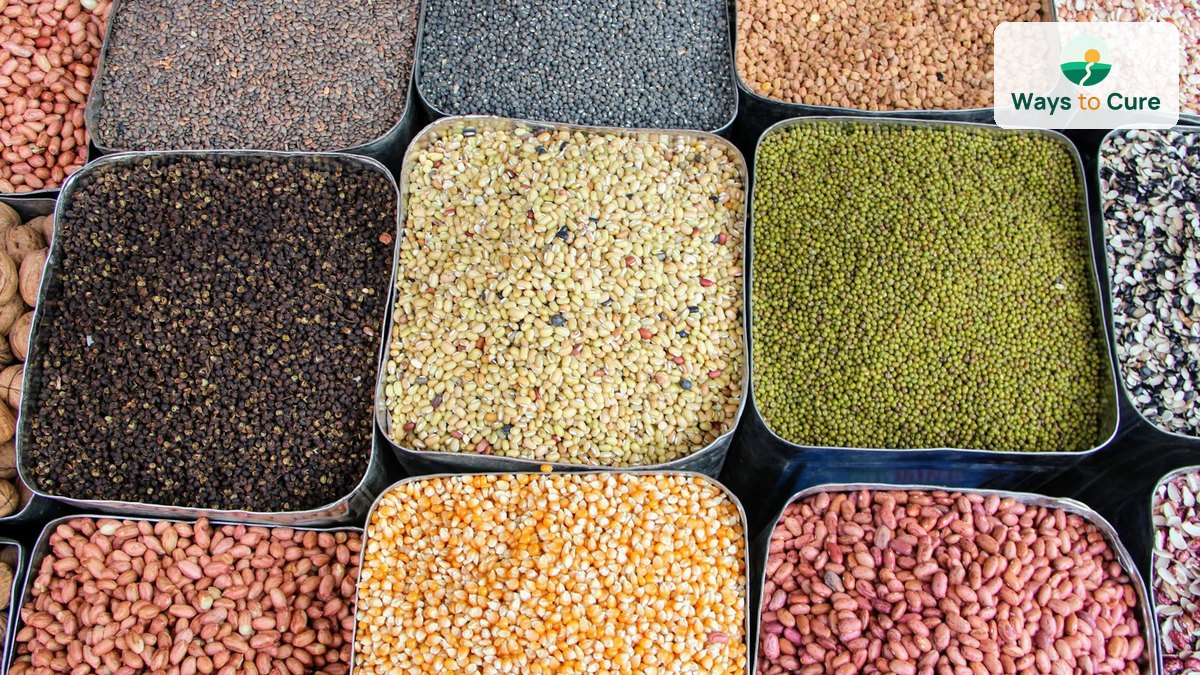
The best vegetarian iron sources in an Indian kitchen are dals and pulses (rajma, chana, moong, masoor), soya and tofu, green leafy vegetables, millets like bajra and ragi, nuts, seeds and dried fruit. But eating them isn’t enough on its own: plant iron is harder to absorb, so how you combine foods, and when you drink your chai, matters as much as what’s on the plate.
This matters a lot in India. An analysis of national survey data found that anaemia among Indian women aged 15 to 49 rose from 53% in NFHS-4 to 57% in NFHS-5. Many of those women eat largely vegetarian diets. Here’s how to get more iron out of the food you already cook.
Why plant iron is harder to absorb
Iron in food comes in two forms. Haem iron is found in meat, fish and poultry and is absorbed fairly easily. Non-haem iron is found in plant foods, eggs and fortified foods, and the body absorbs less of it. MedlinePlus (US National Library of Medicine) puts it plainly: iron from vegetables, fruits, grains and supplements is harder for the body to absorb.
Plant foods also contain compounds that hold on to iron. Phytates in whole grains and pulses, and polyphenols in tea and coffee, bind iron in the gut so less gets through. None of this means vegetarians can’t get enough iron. It means you have to be a bit smarter about meals.
How much iron do you need?
Needs vary by age, sex and life stage, and countries set slightly different targets:
- The NHS says women aged 19 to 49 need 14.8 mg a day and men need 8.7 mg. Women over 50 drop to 8.7 mg, unless they still have periods.
- MedlinePlus lists 18 mg a day for women aged 19 to 50 and 27 mg a day in pregnancy.
Women who have periods, especially heavy ones, pregnant women, growing teenagers and frequent blood donors are the groups most likely to run short.
Best vegetarian iron sources in Indian food
MedlinePlus lists legumes, dried beans and peas, soybeans, dark leafy greens, dried fruit, nuts and whole grains including millet, oats and brown rice among the plant sources of iron. Here’s how that translates to everyday Indian meals.
| Food group | Indian examples | Easy ways to eat more |
|---|---|---|
| Pulses and legumes | Rajma, kabuli and kala chana, masoor, moong, lobia, soya chunks | A katori of dal at lunch and dinner; chana chaat as a snack |
| Soya foods | Tofu, soya chunks, soya flour in atta | Tofu bhurji, soya pulao, a spoon of soya flour in roti dough |
| Green leafy vegetables | Palak, methi, sarson, amaranth (chaulai), drumstick leaves, bathua | Mix into dal, parathas, thepla, or make saag |
| Whole grains and millets | Bajra, ragi, jowar, whole wheat atta, poha (flattened rice), oats | Bajra roti in winter, ragi dosa, vegetable poha |
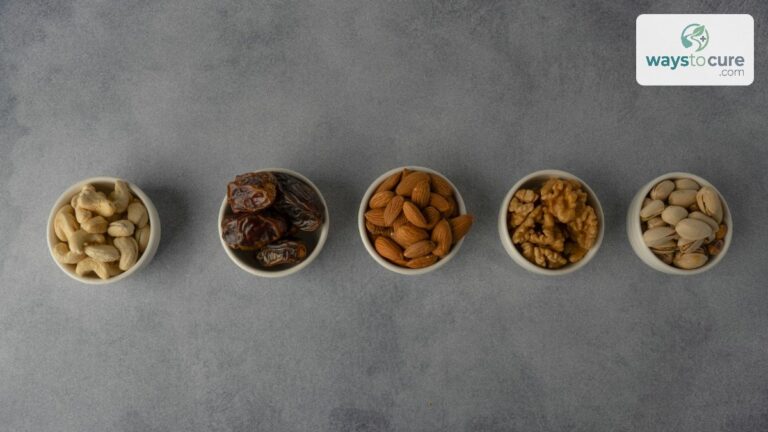
| Nuts and seeds | Almonds, cashews, til (sesame), pumpkin seeds, garden cress (halim) seeds | Til chikki, a handful of nuts, seeds sprinkled on salad |
| Dried fruit | Raisins, dried apricots, dates | Add to breakfast or carry as a snack |
| Eggs (if you eat them) | Boiled egg, omelette, egg bhurji | Pair with tomato or capsicum |
Milk and paneer are great for calcium and protein, but MedlinePlus notes milk is a very poor source of iron. Don’t count your glass of milk towards iron.
Five ways to absorb more iron from your meals
1. Add vitamin C to iron-rich meals
The WHO advises pairing iron-rich meals with vitamin C sources such as fruits and vegetables to improve absorption. In practice: squeeze lemon on dal or chana, add tomato and onion to sabzi, eat amla or guava after lunch, or have kachumber salad with rajma rice.
2. Move your chai and coffee away from meals
The WHO also recommends limiting tea, coffee, cocoa, bran and calcium at iron-rich meals. Black tea contains compounds that bind iron. If you drink chai with breakfast or right after lunch, move it to mid-morning or mid-afternoon, between meals.
3. Eat fermented foods
A review in Food Science and Nutrition found that fermentation reduces phytates in cereals and legumes and increases the bioavailability of iron. Good news for idli, dosa, dhokla, appam and handvo fans. Sprouting also lowers phytates, though the same review found its effect on iron itself was less consistent.
4. Cook in an iron kadhai
MedlinePlus notes that cooking in a cast-iron pan can raise the iron content of food. Acidic dishes like tomato-based sabzi or sambar pick up more. Season the pan well and don’t leave food sitting in it for hours.
5. Keep calcium supplements apart from iron
If you take both a calcium tablet and an iron tablet, the WHO suggests spacing them across the day. The same goes for a big glass of milk with an iron-rich meal.
A day of iron-friendly vegetarian eating
- Breakfast: Vegetable poha with peanuts and a squeeze of lemon, or moong dal chilla with tomato chutney. Save the chai for mid-morning, not with it.
- Mid-morning: A guava or orange, plus a few almonds and raisins.
- Lunch: Palak dal, bajra or wheat roti, kachumber salad with lemon.
- Evening: Roasted chana or sprouts chaat with onion, tomato and lemon.
- Dinner: Rajma or tofu curry cooked in an iron kadhai, rice, and a vegetable.
For more protein-rich vegetarian ideas that also bring iron, see our easy homemade protein recipes, and for the bigger picture on Indian eating patterns, our summary of the ICMR-NIN healthy eating guidelines.
Can food alone fix low iron?
For preventing deficiency, a well-planned diet usually does the job. If you already have iron deficiency anaemia, food alone is often too slow, and doctors usually prescribe iron tablets alongside diet changes.
Don’t start high-dose iron on your own. The NHS says 17 mg a day or less from supplements is unlikely to cause harm, but doses above 20 mg can cause constipation, nausea, vomiting and stomach pain, and very high doses can be fatal, especially for children. Keep iron tablets locked away from kids. If you take other supplements or medicines, check our guide to supplement interactions.
Not every anaemia is due to low iron, either. The WHO lists low vitamin B12, folate and vitamin A, infections, and inherited conditions like thalassaemia among other causes. Vegetarians in particular should check B12.
When to see a doctor
The WHO lists tiredness, dizziness, cold hands and feet, headache and breathlessness on exertion as common symptoms of anaemia. Our article on iron deficiency symptoms covers the signs in more detail. See a doctor and ask for a blood test (haemoglobin, and usually ferritin) if you have:
- Constant tiredness or breathlessness climbing stairs that doesn’t improve with rest.
- Very heavy periods, or periods lasting more than a week.
- Pale skin, inner eyelids or nails, or brittle, spoon-shaped nails.
- Cravings to eat ice, paper or other non-food items (called pica), or heart palpitations.
- Pregnancy or plans for pregnancy, as iron needs rise sharply.
- Black, tarry stools or blood in your stool, which need checking for internal bleeding, especially in men and women after menopause.
Go to hospital or call 112 if you have chest pain, a racing heartbeat at rest, fainting, or severe breathlessness.
Frequently asked questions
Does jaggery have a lot of iron?
Jaggery is often promoted as an iron source, but it’s still mostly sugar. You’d need to eat a lot of it to make a real difference, which isn’t healthy. Pulses, greens and millets are better choices.
Is spinach the best vegetarian source of iron?
Spinach does contain iron, but like all plant iron it’s absorbed less well than iron from meat. It’s a useful part of the mix, not a fix on its own. Eat it alongside pulses, soya and millets, with lemon or tomato.
Should I stop drinking tea if I’m anaemic?
No need to stop completely. The NHS advises cutting down on tea and coffee if you have iron deficiency anaemia, since large amounts make iron harder to absorb. Drink them between meals rather than with food or iron tablets.
How long does it take to raise iron levels?
The NHS says iron tablets are usually needed for about 6 months, with repeat blood tests over the following months to check that levels are returning to normal. Diet changes alone take longer.
Do vegetarians need iron supplements?
Not automatically. Many vegetarians get enough from a varied diet. Take supplements only if a blood test shows you need them or your doctor advises it, for example during pregnancy.
This article is for general information and is not a substitute for advice from a doctor. If you have symptoms or a health condition, please consult a qualified healthcare professional.