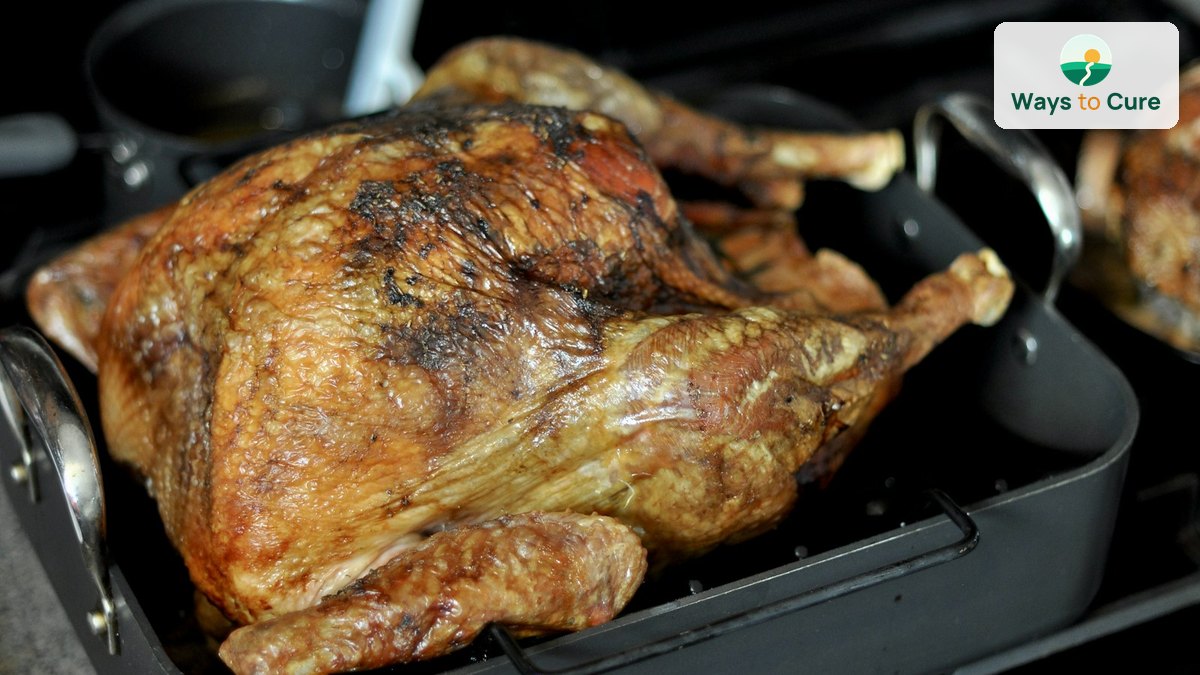
No, turkey doesn’t make you sleepy, at least not because of its tryptophan. A normal serving of turkey has about the same tryptophan as chicken or beef, and far too little to knock you out. The drowsiness after a big holiday meal comes from the size of the meal, the carbs and dessert, the alcohol, and the time of day you’re eating it.
So the “turkey coma” is real, but turkey is the wrong suspect. Here’s what’s actually going on, and how to stay awake for the board games.
The short answer
According to Harvard Health Publishing, a 3-ounce (85 g) serving of turkey contains about 250 mg of tryptophan. That’s similar to chicken, beef or salmon. Nobody blames a chicken sandwich for an afternoon nap.
For comparison, tryptophan supplements used for sleep in studies are given at 1,000 to 3,000 mg a day, many times what you’d get from your plate. Harvard’s verdict: the turkey coma is a medical myth.
Why the turkey myth makes some sense
The idea isn’t random. Tryptophan is an amino acid your body uses to make serotonin, a brain chemical involved in mood and sleep, and serotonin can be turned into melatonin, the hormone that tells your body it’s night. So on paper, “eat tryptophan, get sleepy” sounds reasonable.
The problem is getting it into the brain. As Scientific American explained, tryptophan has to compete with several other amino acids for the same transporter to cross from your blood into your brain. Protein-rich food like turkey is packed with those competitors, so very little extra tryptophan gets through. MIT researcher Richard Wurtman, quoted in that piece, pointed out that eating carbohydrates increases brain serotonin even though carbs contain no tryptophan at all.
Why you really get sleepy after a big meal
1. The sheer size of the meal
Bigger meals make people sleepier. In a driving-simulator study published in Physiology & Behavior in 2012, people who ate a heavy lunch of about 900 calories drifted out of their lane more and showed more brain-wave signs of sleepiness during a long afternoon drive than when they ate a light lunch of about 300 calories.
2. Carbs and dessert
Stuffing, potatoes, bread rolls, pie: holiday meals are carb-heavy. As described above, carbs trigger insulin, which clears competing amino acids out of the blood and lets more tryptophan into the brain. Ironically, that means the mashed potatoes and pie may do more for your drowsiness than the turkey.
3. Fat, inflammation and the “cheesecake study”
Here’s a strange one. Swiss researchers gave volunteers a high-fat, high-carb meal and measured how tired they felt. In the study, published in Molecular Metabolism in 2018, blocking an immune signal called IL-1 with a drug reduced post-meal fatigue, especially in people with obesity. It was a small study of 16 men, and the authors say it’s not yet clear how much this matters in everyday life. But it hints that a rich meal triggers a mild immune response that can leave you tired.
4. Alcohol
Wine, beer and holiday cocktails are sedatives. Combine them with a heavy meal and you’ve got a strong recipe for nodding off. Harvard Health lists alcohol as one of the likeliest real culprits. Our guide to drinking at festive parties covers sensible limits and drug interactions.
5. Your body clock and a short night
Alertness naturally dips in the early afternoon, which is when many holiday meals are served. The Sleep Foundation notes that this circadian dip, plus how long you’ve been awake, both affect how sleepy you feel after eating. Add an early start to cook, travel or a late night before, and you’re primed to crash.
What the research says, in brief
| Factor | Evidence it causes post-meal sleepiness |
|---|---|
| Tryptophan in turkey | Weak. Amount is similar to other meats and too small to matter |
| Large meal size | Good. Heavier meals increased measurable sleepiness in a controlled study |
| Carb-heavy foods | Plausible. Carbs help tryptophan reach the brain |
| High-fat meal and IL-1 | Early. One small trial in men |
| Alcohol | Strong. Alcohol is a known sedative |
| Afternoon body-clock dip | Good. Well documented in sleep research |
Myths vs facts
| Myth | Fact |
|---|---|
| Turkey has unusually high tryptophan | It has about the same as chicken, beef and salmon |
| Eating more tryptophan makes your brain make more serotonin | Harvard Health notes serotonin production is tightly regulated, so extra dietary tryptophan doesn’t reliably raise it |
| Food coma happens because all your blood rushes to your stomach | This is a popular idea but not well proven. Researchers have argued that nerve and hormone signals better explain it |
| A vegetarian holiday meal won’t make you sleepy | If it’s big, carb-heavy and served with wine, it probably will |
| Feeling sleepy after meals means something is wrong | Occasional drowsiness after a large meal is normal |
How to stay awake after a big meal
- Serve yourself smaller portions and go back for seconds only if you’re still hungry after 15 to 20 minutes.
- Fill half your plate with vegetables before the stuffing and potatoes.
- Alternate alcoholic drinks with water.
- Take a walk after the meal. Harvard Health recommends it, and daylight helps you feel more alert.
- Have a coffee or tea after lunch, but not too late if you want to sleep well that night. The Sleep Foundation suggests avoiding caffeine for at least eight hours before bed.
- Get a decent night’s sleep beforehand. If the holidays have scrambled your routine, see our tips to reset your sleep after late nights.
Curious about other foods with a sleepy reputation? We looked at whether bananas before bed help you sleep.
When it’s a sign of something else
Feeling drowsy after a huge meal once in a while is normal. But talk to your doctor if you’re regularly exhausted after ordinary-sized meals, or if sleepiness comes with other symptoms. According to the Sleep Foundation, possible causes include:
- Blood sugar problems. Tiredness after eating, along with frequent urination, thirst or unexplained weight change, can point to diabetes or insulin resistance. Our article on prediabetes signs explains what to check.
- Low iron or anaemia, which can disrupt sleep and cause daytime tiredness
- Sleep apnoea, especially if you snore loudly or wake up unrefreshed
- An underactive thyroid or certain digestive conditions
Get medical help quickly if fatigue comes with confusion, blurred vision, dizziness, swelling, or being unable to pass urine. If someone becomes very drowsy and hard to wake after drinking alcohol, call your local emergency number (911 in the US, 999 in the UK, 112 in the EU and India).
Frequently asked questions
Does chicken make you as sleepy as turkey?
About the same, which is to say not much. Harvard Health says turkey, chicken and beef have similar tryptophan per serving.
Should I take a tryptophan supplement for sleep?
Check with a doctor first. Supplement doses are far higher than food amounts, and tryptophan may interact with some antidepressants and other medicines that affect serotonin.
Is a nap after a holiday meal bad for you?
A short nap of 20 to 30 minutes is unlikely to hurt. Long naps late in the afternoon can make it harder to fall asleep at night.
Why am I more tired after lunch than breakfast?
Your body clock has a natural dip in alertness in the early afternoon, and you’ve been awake longer by then. A big lunch adds to both.
Does a walk really help?
Yes, for most people. Light activity and daylight both help you feel more alert, and a walk after eating also helps lower the rise in blood sugar.
This article is for general information and is not a substitute for advice from a doctor. If you have symptoms or a health condition, please consult a qualified healthcare professional.