Pneumonia is an infection that inflames the air sacs in one or both lungs, and doctors group it in two ways: by the germ that causes it (bacterial, viral, fungal) or by how it started (caught in the community, caught in hospital, or from inhaling food or fluid, called aspiration). The type decides the treatment. Bacterial pneumonia needs antibiotics, viral pneumonia sometimes needs antivirals, and no home remedy can replace either when the lungs are infected.
This guide explains each type, the tests used to confirm pneumonia, how it’s treated, and the vaccines that prevent the most common forms.
What happens in pneumonia
Your lungs end in millions of tiny air sacs where oxygen passes into the blood. In pneumonia, those sacs fill with fluid or pus. That’s why the main symptoms, according to the NHS, are a cough, shortness of breath, a high temperature, chest pain, aching, tiredness and loss of appetite. It can start suddenly or come on over a few days. Older people may become confused, and babies may make grunting noises.
Types of pneumonia by cause
The US National Heart, Lung, and Blood Institute (NHLBI) describes these main causes:
| Type | Common germs or causes | Who tends to get it | Usual treatment |
|---|---|---|---|
| Bacterial | Streptococcus pneumoniae (pneumococcus) is the most common; Legionella causes a severe form called Legionnaires’ disease | A common cause in adults | Antibiotics |
| “Walking” pneumonia | Mycoplasma pneumoniae | A milder form, so many people stay on their feet | Antibiotics |
| Viral | Influenza, rhinovirus (common cold), RSV in young children, SARS-CoV-2 (COVID-19) | All ages; RSV is the leading viral cause in young children | Supportive care; antivirals for flu or COVID-19 in some people |
| Fungal | Pneumocystis jirovecii and some soil fungi | Mainly people with a weakened immune system | Antifungal medicines |
| Aspiration | Saliva, food, drink or vomit breathed into the windpipe | People who are sedated, unconscious, very drowsy, or have swallowing problems after a stroke | Antibiotics, plus fixing the swallowing problem |
Tuberculosis also infects the lungs, but it’s a separate disease with its own long treatment. See our guide to TB symptoms, tests and treatment in India.
Community-acquired, hospital-acquired and ventilator-associated
Doctors also ask where you caught the infection, because the likely germs differ:
- Community-acquired pneumonia is the everyday kind, caught from people around you at home, school or work. NHLBI says most people get pneumonia this way.
- Hospital-acquired pneumonia starts during a hospital stay. MedlinePlus explains that it tends to be more serious, because patients are already unwell and hospital germs are often more resistant to treatment. It’s usually treated with IV antibiotics matched to the germ.
- Ventilator-associated pneumonia is a hospital-acquired type linked to being on a breathing machine in intensive care.
More about aspiration pneumonia
Aspiration pneumonia matters in Indian homes caring for an elderly parent after a stroke, or anyone fed through a tube. MedlinePlus lists the risk factors as reduced alertness (from medicines, illness, surgery or heavy alcohol use), a weak gag reflex after a stroke or brain injury, swallowing problems, old age, and eating or being fed while lying down.
Practical steps that lower the risk: feed the person sitting fully upright, never lying down, and ask the doctor for a swallowing assessment if they cough or choke during meals. Coughing up foul-smelling or discoloured phlegm after a choking episode needs a doctor’s review.
How pneumonia is diagnosed
A doctor listens to your chest first. NHLBI lists the tests that may follow:
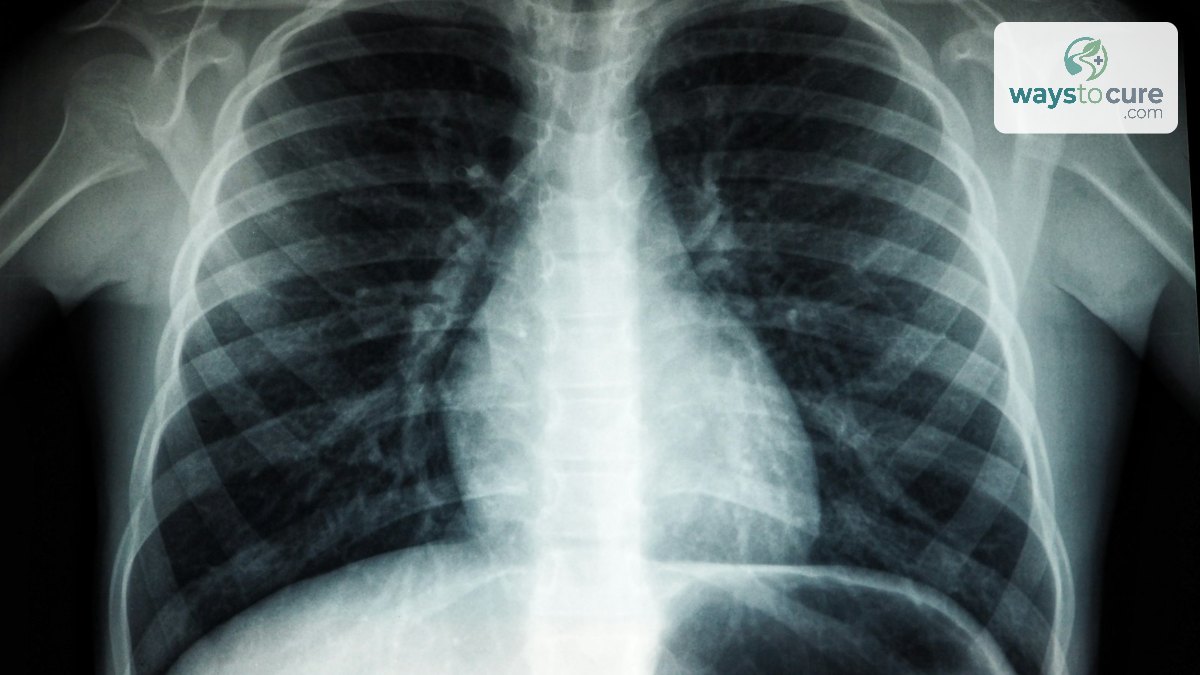
- Chest X-ray: the main test, showing inflamed areas of the lung.
- Pulse oximetry: a clip on the finger that measures oxygen in the blood.
- Blood tests: a complete blood count (CBC) shows whether the body is fighting an infection.
- Sputum test: phlegm is checked to identify the germ.
- CT scan: gives more detail if the X-ray is unclear or complications such as an abscess are suspected.
- Bronchoscopy or pleural fluid test: used in hospital when treatment isn’t working or fluid has collected around the lung.
Pneumonia can look like a bad chest cold at first. Our article on types of cough covers the common, milder causes.
How pneumonia is treated
The NHS says bacterial pneumonia is usually treated with antibiotics and most people get better in 2 to 4 weeks. A few rules make a real difference:
- finish the full course of antibiotics, even if you feel better after a few days
- contact your doctor if you don’t feel better after 2 to 3 days of antibiotics
- rest, drink enough fluids, and use paracetamol for fever or chest pain if needed
- don’t smoke, and keep away from smoke and chulha fumes while recovering
In hospital, treatment can include IV antibiotics, oxygen and sometimes steroids. Viral pneumonia doesn’t respond to antibiotics, though doctors may still prescribe them if they suspect a bacterial infection on top.
Why “natural cures” don’t treat pneumonia
Steam, tulsi tea, honey, turmeric milk or garlic may make you feel more comfortable, but none of them clears an infection in the lungs. The risk is delay: while a family waits to see if a home remedy works, bacterial pneumonia can get worse and lead to complications such as fluid around the lungs or a lung abscess, both of which NHLBI lists among the problems doctors look for. Use home measures alongside the medicine your doctor prescribes, never instead of it, and avoid giving honey to babies under 1 year.
Vaccines that prevent pneumonia
- Pneumococcal vaccine for babies: India’s Universal Immunization Programme gives the pneumococcal conjugate vaccine (PCV) free at 6 weeks, 14 weeks and a booster at 9 months, according to the Health Ministry’s PCV guidelines. The same document calls pneumococcal disease the biggest vaccine-preventable cause of death in children under five.
- Pneumococcal vaccine for adults: recommendations differ between countries. The CDC now recommends it for all adults aged 50 or older and for younger adults with certain risk conditions, while the NHS offers it at 65 and to higher-risk groups. Ask your doctor which vaccine and timing suit you.
- Flu vaccine: WHO recommends a yearly flu shot, especially for older adults, pregnant women, young children and people with chronic illness. Flu is a common trigger of pneumonia. More in our flu season guide.
- COVID-19 and RSV vaccines are offered to some higher-risk adults in several countries. Ask your doctor whether they apply to you.
When to see a doctor, and when to call 112
See a doctor the same day if you have a cough with fever and breathlessness, if you’re over 65, if you have heart or lung disease, or if a baby or young child has a cough with fast breathing.
Call 112 or go to the nearest emergency department if, as listed by the NHS:
- you’re struggling to breathe, choking, gasping or unable to speak
- your skin, lips or tongue look pale, blue or blotchy
- you’re coughing up blood
- you suddenly become confused
- a baby can’t be woken or feels floppy
Frequently asked questions
Which type of pneumonia is the most common?
Community-acquired pneumonia, caught in everyday life. Among bacteria, Streptococcus pneumoniae is the most common cause in adults, which is why the pneumococcal vaccine is so useful.
Do I need a CT scan for pneumonia?
Usually not. A chest X-ray is the standard test. NHLBI says a CT scan is used when doctors need more detail, for example to see how much of the lung is affected or to look for complications such as an abscess.
How long does it take to recover from pneumonia?
The NHS says most people with bacterial pneumonia feel better within 2 to 4 weeks of starting antibiotics. Tiredness can last longer, especially in older adults.
Can pneumonia be treated at home?
Often, yes, with tablets prescribed by a doctor and regular check-ins. People who are very unwell, over 65 with other illnesses, babies, or anyone not improving after antibiotics may need hospital care.
Does the pneumococcal vaccine prevent all pneumonia?
No. It protects against pneumococcus, the most common bacterial cause, but not against viruses, fungi or aspiration. That’s why the flu vaccine, good hand hygiene and safe feeding all matter too.
This article is for general information and is not a substitute for advice from a doctor. If you have symptoms or a health condition, please consult a qualified healthcare professional.