COVID-19 today usually starts like a flu or a heavy cold: fever, chills and a sore throat are the most common symptoms, often with cough, body aches, tiredness and a blocked nose. Most people with mild illness get better without any specific treatment, but older adults, people with long-term conditions and anyone with a weak immune system can still become seriously ill, so for them a quick test and an early call to the doctor matter.
This guide covers what COVID-19 looks like now, which test to use and when, who needs to be careful, what treatment exists, and the warning signs that mean you should go to hospital.
What COVID-19 feels like now
The World Health Organization’s COVID-19 fact sheet lists fever, chills and sore throat as the most common symptoms. Less common ones include muscle aches, severe tiredness, a runny or blocked nose, headache, cough, shortness of breath, loss of taste or smell, and stomach upset.
The US Centers for Disease Control and Prevention (CDC) gives a similar list and adds nausea, vomiting and diarrhoea. WHO now lists loss of taste or smell among the less common symptoms, so don’t wait for it before you test.
Timing helps you work out where you caught it. WHO says symptoms usually begin 3 to 6 days after exposure and can last up to 10 days. The CDC puts the outer range at 2 to 14 days. You can pass the virus on before you feel ill, and some people spread it without ever getting symptoms.
Is it COVID, flu or a cold?
You can’t reliably tell from symptoms alone. Fever, cough, sore throat and body aches show up with COVID-19, flu and several other respiratory viruses. If you’re healthy and young, the difference may not change much: you rest and stay away from others until you feel better. If you or someone at home is in a higher-risk group, a test is worth doing, because COVID-19 and flu both have prescription antiviral medicines that work best when started early.
For a closer look at flu, see our guides on flu season and how to protect yourself and early signs of H1N1.
Which COVID test to use, and when
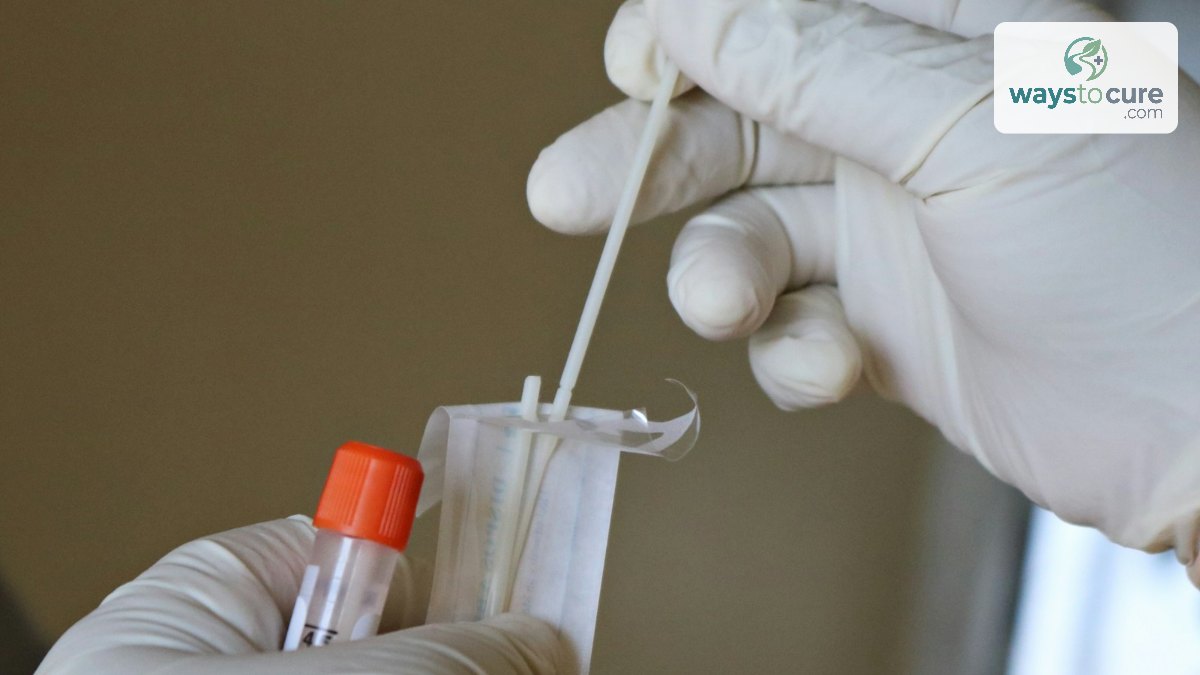
There are two main kinds of test. The CDC’s testing guidance explains the difference:
| Test | How it works | Result time | Good to know |
|---|---|---|---|
| RT-PCR (a type of NAAT) | Nose or throat swab tested in a lab | Up to 3 days | More likely to pick up the virus; the standard lab test |
| Rapid antigen test | Nose swab with a test strip, can be done at home | 15 to 30 minutes | Less likely to detect the virus, especially without symptoms; one negative result doesn’t rule out COVID-19 |
If a home antigen test is negative but you still suspect COVID-19, repeat it. The CDC, following US FDA advice, says people with symptoms need 2 negative antigen tests taken 48 hours apart, and people without symptoms need 3 tests, each 48 hours apart. If you’re in a higher-risk group, ask your doctor whether an RT-PCR test makes more sense than waiting.
Who is at higher risk of severe COVID-19?
WHO lists these groups as more likely to become seriously ill:
- older adults
- people with high blood pressure, diabetes or obesity
- people with chronic lung, heart, liver or kidney disease
- people with cancer, dementia or rheumatological conditions
- people with a weakened immune system, including people living with HIV
- pregnant women
- people who have never been vaccinated
In many Indian homes, a grandparent with diabetes or heart disease lives with children who bring infections back from school. If that’s your household, the person who gets sick first should test early, and the older relative should know the warning signs listed further down.
Treatment: what helps and what doesn’t
For mild illness, the basics are rest, plenty of fluids, and paracetamol for fever and aches if needed. WHO says most people with mild illness recover without treatment.
For higher-risk people, antiviral tablets can lower the chance of severe illness, but timing is tight. According to the CDC’s treatment page, nirmatrelvir with ritonavir and molnupiravir must be started within 5 days of symptoms beginning, and remdesivir (given as a drip in hospital) within 7 days. These are prescription medicines and they aren’t meant for everyone. If you’re in a higher-risk group, call your doctor on the first day you feel ill rather than waiting to see if you get worse.
Antibiotics don’t help. They work on bacteria, not viruses, and the CDC notes that using them when they aren’t needed causes side effects and adds to antibiotic resistance. Don’t take leftover antibiotics or “fever kits” from a pharmacy without a doctor’s advice.
COVID-19 vaccines in 2026
Vaccines still protect well against severe disease, hospital admission and death, even though they do little to stop you catching or passing on the virus. WHO’s current position is:
- anyone who has never been vaccinated should get a single dose
- high-priority groups, such as older adults and people with serious health conditions, may need another dose 6 to 12 months after their most recent one
Which COVID-19 vaccines are stocked in India, and where, can change from year to year. If you’re over 60 or have a long-term condition, ask your doctor whether another dose makes sense for you and where you can get it.
Protecting your family when someone is sick
The UK’s NHS advises that after a positive test, adults try to stay at home and away from others for 5 days, and under-18s for 3 days. It also suggests keeping away from people with weak immune systems for 10 days. Practical steps that WHO recommends:
- stay home if you have symptoms or a positive test
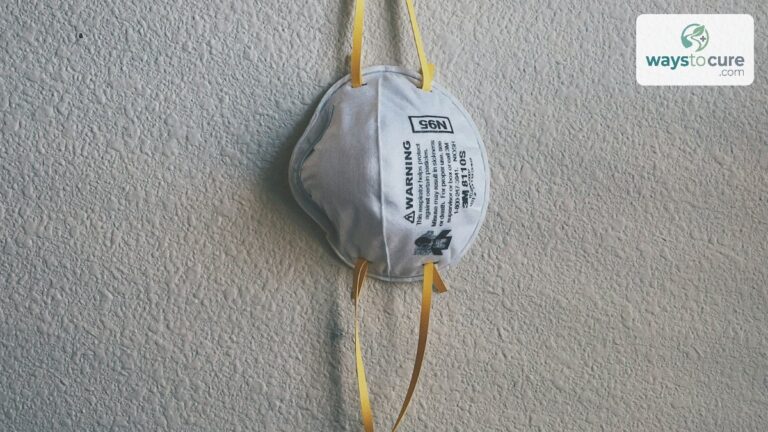
- wear a well-fitting mask if you have to be around others
- cover coughs and sneezes, and wash hands with soap and water often
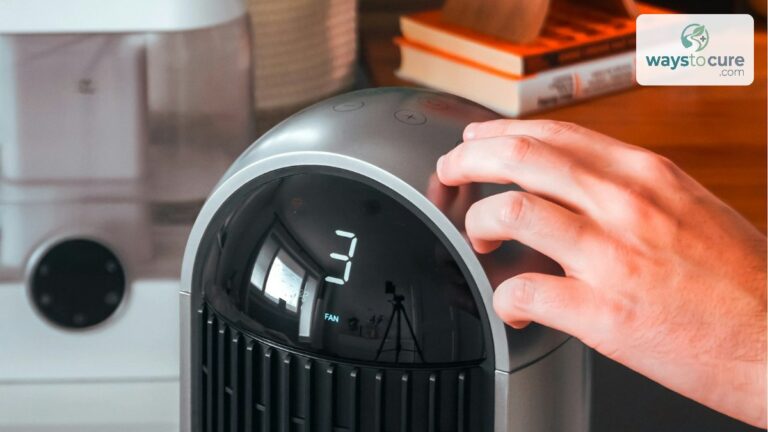
- open windows and doors to let fresh air through
- if you’re high-risk, avoid crowded, poorly ventilated places during a local rise in cases
A lingering cough after the fever goes is common. Our article on types of cough and home relief covers what eases it.
Long COVID
WHO estimates that about 6% of people develop post COVID-19 condition, often called long COVID. Common symptoms are tiredness, muscle or joint pain, breathlessness, headaches and trouble thinking or concentrating. If you’re still unwell weeks after the infection, see a doctor so other causes such as anaemia, thyroid problems or a heart issue can be checked.
When to see a doctor, and when to call 112
Call your doctor promptly (within the first day or two) if you’re in a higher-risk group and have symptoms, because antivirals must start early. The NHS also advises getting medical advice if symptoms are getting worse or not improving, or if a high temperature lasts 5 days or more.
Call 112 or go to the nearest emergency department if someone has any of these signs, drawn from CDC, WHO and NHS guidance:
- trouble breathing, or so breathless they can’t speak in short sentences at rest
- pain or pressure in the chest that doesn’t go away
- new confusion, or difficulty waking up or staying awake
- pale, grey or blue lips, nail beds or skin
- loss of speech or movement
- coughing up blood, or collapsing
Tell the emergency team that the person may have COVID-19.
Frequently asked questions
How long am I contagious with COVID-19?
You can spread the virus before symptoms start. The NHS suggests adults stay away from others for 5 days after a positive test and children for 3 days, and avoid people with weak immunity for 10 days.
Can I have COVID-19 without a fever?
Yes. Some people only get a sore throat, blocked nose or tiredness, and some have no symptoms at all. That’s why a test is more useful than guessing from symptoms.
My home antigen test is negative. Am I in the clear?
Not necessarily. A single negative antigen test can miss infection. If you have symptoms, test again 48 hours later. Without symptoms, you’d need three negative tests 48 hours apart.
Should I take antibiotics for COVID-19?
No. Antibiotics don’t work on viruses. A doctor may prescribe them only if a separate bacterial infection, such as bacterial pneumonia, develops.
Do I still need a COVID-19 vaccine if I had all my doses in 2021?
WHO’s advice on repeat doses is aimed at high-priority groups. Older adults and people with serious health conditions may need another dose 6 to 12 months after their last one, so ask your doctor what applies to you.
This article is for general information and is not a substitute for advice from a doctor. If you have symptoms or a health condition, please consult a qualified healthcare professional.