“Adrenal fatigue” isn’t a recognised medical diagnosis. The Endocrine Society, the main international body of hormone specialists, says there’s no scientific proof it exists, but the tiredness people describe is real, and it usually has a cause that can be found with a few simple tests.
If you’ve been told your adrenal glands are “burnt out”, here’s what the science says, what to check instead, and why “adrenal support” supplements can do more harm than good.
Where the idea of adrenal fatigue came from
Your adrenal glands sit on top of your kidneys and make hormones including cortisol, which helps your body respond to stress. The adrenal fatigue theory claims that long-term stress wears these glands out, so they can’t make enough cortisol, leaving you tired, foggy, craving salt and sugar, and struggling to get up in the morning.
It sounds logical. The problem is that the evidence doesn’t support it. A 2016 systematic review in BMC Endocrine Disorders went through 58 studies and found no substantiation that adrenal fatigue is a real medical condition. The authors concluded it remains a myth.
The Endocrine Society also points out that there’s no test for it. People are usually “diagnosed” from their symptoms alone.
Adrenal fatigue vs adrenal insufficiency
There is a real adrenal disease, and it’s important not to mix the two up.
Adrenal insufficiency (including Addison’s disease) happens when the adrenal glands genuinely can’t make enough cortisol, and sometimes aldosterone. According to the NHS, symptoms include severe exhaustion, darker patches of skin, poor appetite and weight loss, nausea or vomiting, craving salty food, dizziness on standing, muscle weakness and cramps.
Unlike adrenal fatigue, it can be confirmed with proper blood tests, including the Synacthen test, which checks how the adrenal glands respond to a hormone injection. It’s treated with replacement hormones, and without treatment it can become life-threatening.
So if your symptoms include weight loss, darkening skin or fainting when you stand, ask your doctor specifically about adrenal insufficiency.
What’s more likely making you tired
The NHS lists common causes of ongoing tiredness: poor sleep, stress and depression, hormonal changes, and conditions such as sleep apnoea, iron deficiency anaemia, diabetes and thyroid problems. Here’s a practical checklist of what to rule out, and the tests that check each:
| Possible cause | Clues | Test to ask about |
|---|---|---|
| Iron deficiency anaemia | Breathlessness on stairs, pale skin, heavy periods | Complete blood count (CBC), serum ferritin |
| Underactive thyroid | Feeling cold, weight gain, constipation, dry skin | TSH, free T4 |
| Diabetes | Thirst, passing urine often, weight loss | HbA1c or fasting blood sugar |
| Vitamin B12 deficiency | Tingling hands or feet, mouth ulcers, vegetarian diet, long-term metformin or acidity tablets | Serum B12 |
| Low vitamin D | Bone aches, muscle weakness, little time in sunlight | 25-hydroxy vitamin D |
| Sleep apnoea | Loud snoring, gasping or choking at night, daytime sleepiness | Sleep study |
| Depression or anxiety | Low mood, loss of interest, poor sleep, worry | A conversation with your doctor; screening questionnaires |
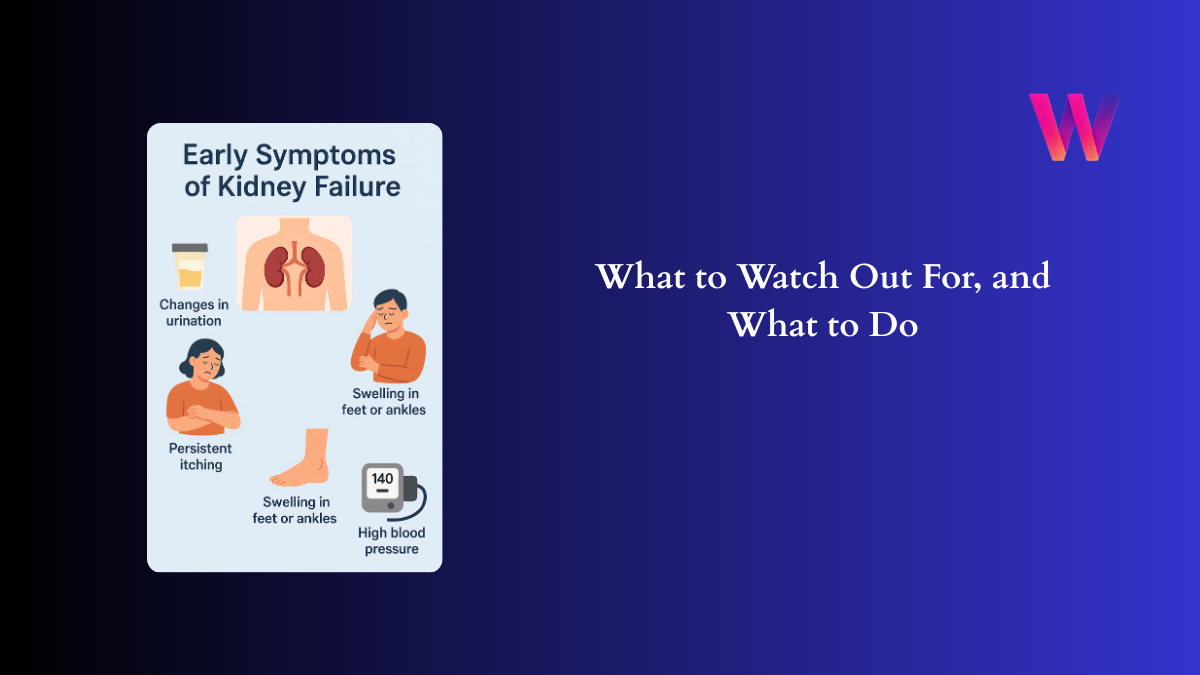
| Kidney or liver problems | Swelling, itching, poor appetite | Kidney and liver function tests |
A few of these deserve extra attention in India. Anaemia is very common: more than half of women aged 15 to 49 were anaemic in the last National Family Health Survey (NFHS-5, 2019-21). Vitamin B12 deficiency is a risk for people who don’t regularly eat meat, fish or dairy, and the NHS notes that metformin and proton pump inhibitors (common acidity tablets such as omeprazole and pantoprazole) can lower B12 levels too.
For more on two of these, read our guides to underactive thyroid and vitamin D deficiency.
The risks of “adrenal support” supplements
Products sold for adrenal fatigue often contain herbs, vitamins and “glandular” extracts from animal adrenal glands. A 2018 study in Mayo Clinic Proceedings tested 12 over-the-counter adrenal support supplements bought in the US. Every one contained thyroid hormone (T3). Most contained at least one steroid hormone, including pregnenolone, cortisol, cortisone and budesonide (a prescription steroid). None of these hormones were listed on the label.
Why that matters:
- Hidden steroids can switch off your own adrenal glands. The Endocrine Society warns that taking adrenal hormones you don’t need can suppress your adrenals, and stopping them can then trigger adrenal crisis, which is life-threatening.
- Thyroid hormone is a prescription medicine. Nobody should be taking it without knowing, least of all people already on thyroid tablets.
- Labels can’t be trusted. Supplements aren’t checked the way medicines are, so what’s in the bottle may not match the label.
- They delay the real diagnosis. Months spent on supplements are months your anaemia, thyroid problem or depression goes untreated.
Herbs often marketed as “adaptogens” also have interactions with prescription medicines. See our guide to vitamin and herb interactions before adding anything, and ask your doctor or pharmacist first if you take regular medicines.
Steps that help with stress-related tiredness
Once medical causes are ruled out, these are the changes the Endocrine Society suggests for general wellbeing: starting an exercise programme, eating healthy foods, keeping a daily routine, and avoiding smoking, alcohol and drugs. In practice that can look like:
- A fixed sleep window. Same bedtime and wake time daily, including weekends. Our post on the effects of sleeping late explains why timing matters.
- Movement most days. Start with a 20 to 30 minute walk and build up slowly.
- Regular meals. Breakfast with protein (eggs, paneer, sprouts, dal chilla), and fewer sugary snacks and sweet chai through the day.
- Less caffeine after mid-afternoon, and no alcohol to help you sleep.
- Talking to someone. If stress, low mood or anxiety is behind your exhaustion, a counsellor or doctor can help. In India you can call Tele-MANAS on 14416, free, any time.
When to see a doctor
See a doctor if tiredness has lasted a few weeks without a clear reason, if it’s affecting your work or daily life, or if it comes with weight loss or mood changes. Mention it too if someone has told you that you gasp, snort or choke in your sleep.
Call 112 or go to the emergency department straight away if you or someone else has signs of adrenal crisis, as listed by the NHS:
- severe dizziness on standing, or fainting
- severe pain in the stomach or side
- persistent vomiting
- unusual drowsiness, confusion or a seizure
- a fast heartbeat with severe weakness
This is especially important for anyone who has been taking steroids, including hidden steroids in supplements, and has stopped suddenly. If you have thoughts of harming yourself, call 112 or Tele-MANAS 14416 now.
Frequently asked questions
Is adrenal fatigue a real diagnosis?
No. Hormone specialists don’t recognise it, and a review of 58 studies found no evidence for it. The symptoms are real, but they have other causes.
Can a saliva cortisol test diagnose adrenal fatigue?
No. There’s no test for adrenal fatigue. Real adrenal problems are checked with blood tests ordered by a doctor, such as the Synacthen test.
Should I stop my adrenal supplement?
Talk to your doctor before stopping, especially if you’ve taken it for weeks. If it contained hidden steroids, stopping suddenly could be risky. Take the bottle with you.
What blood tests should I ask for if I’m always tired?
Commonly a CBC with ferritin, thyroid tests (TSH), HbA1c or fasting sugar, vitamin B12, and sometimes vitamin D, kidney and liver tests. Your doctor will choose based on your symptoms.
Can stress really make me this tired?
Yes. Stress, depression and poor sleep are common causes of tiredness. They’re treatable, but they need the right help rather than adrenal pills.
This article is for general information and is not a substitute for advice from a doctor. If you have symptoms or a health condition, please consult a qualified healthcare professional.