Most mouth ulcers and blisters are harmless and heal on their own within one to two weeks: common culprits are canker sores (aphthous ulcers), cold sores and, in children, hand, foot and mouth disease. Relief comes from protecting the sore while it heals, but any ulcer that hasn’t healed after three weeks needs a doctor or dentist to look at it, especially if you smoke or chew tobacco, gutka or paan.
Which kind of sore is it?
“Blister in the mouth” can mean quite different things, and the right care depends on which one you have.
| Canker sore (mouth ulcer) | Cold sore | Hand, foot and mouth disease | |
|---|---|---|---|
| Where | Inside the mouth: inner cheeks, lips, tongue, gums | On or around the outside of the lips | Inside the mouth, plus spots on hands, feet and sometimes the bottom |
| Looks like | Round open sore with a white or yellow centre and a red border | Small fluid-filled blisters that crust over | Mouth ulcers and a raised rash that can blister |
| Cause | Not an infection; triggered by injury, stress, hormones, some deficiencies | Herpes simplex virus | A virus, common in young children |
| Contagious? | No | Yes, from the first tingle until fully healed | Yes |
| Usual duration | Pain eases in 7 to 10 days; full healing in 1 to 3 weeks | Starts to heal within 10 days | 7 to 10 days |
Canker sores: causes and triggers
The NHS says most single mouth ulcers come from things like biting your cheek, a sharp tooth, rough dental work, or hot or hard food. Others are linked to hormonal changes, genes, some medicines and even stopping smoking. MedlinePlus adds emotional stress, food allergies and low levels of iron, folic acid or vitamin B12.
The deficiency link is worth knowing about. If you get ulcers again and again, especially with tiredness, breathlessness or pale skin, ask your doctor about a blood test rather than reaching for random supplements. Our guide to iron deficiency symptoms covers the other signs to look for.
Several ulcers at once, or ulcers that keep coming back, can occasionally point to conditions such as coeliac disease, Crohn’s disease or a weakened immune system, which is another reason to get recurrent ulcers checked.
Safe relief for mouth ulcers
Ulcers usually clear up on their own. While they heal, the NHS suggests:
- Use a soft toothbrush and keep brushing gently
- Drink cool drinks, through a straw if it helps
- Eat softer foods: curd rice, khichdi, idli, dal, mashed banana
- Avoid spicy, salty or sour foods (pickles, chillies, tamarind, citrus), rough crunchy snacks like chips and namkeen, and very hot or acidic drinks
- Try a toothpaste without sodium lauryl sulphate (SLS)
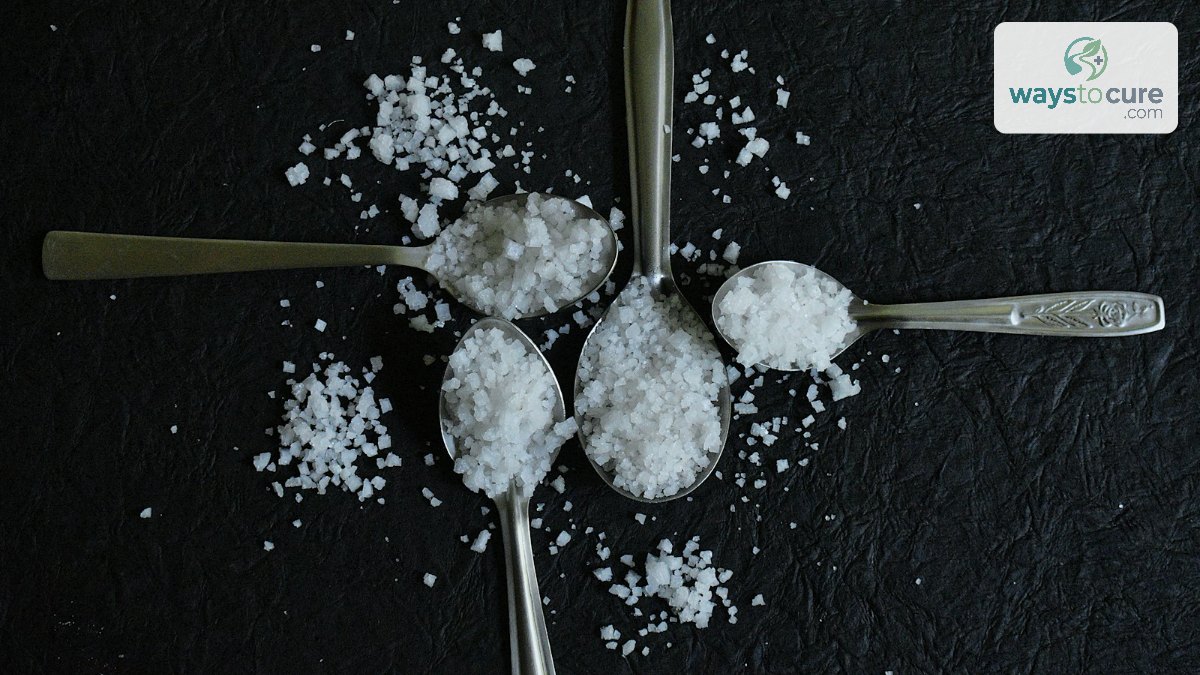
MedlinePlus also suggests rinsing with salt water or an alcohol-free mouthwash; dissolve a little salt in a glass of warm water, swish and spit. Skip alcohol-based mouthwashes while the ulcer is raw.
From a pharmacy, you can get antimicrobial mouthwashes, painkilling gels or sprays, and corticosteroid lozenges without a prescription. Read the label for age limits, and ask the pharmacist if you’re pregnant or buying for a child.
Numbing gels and young children: an important warning
Many mouth ulcer and teething gels contain local anaesthetics such as benzocaine or lidocaine. These are not safe for babies and toddlers.
- The US FDA warned in 2018 that over-the-counter oral benzocaine products should not be used in children younger than 2, because they can cause methaemoglobinaemia, a serious and sometimes fatal blood disorder.
- The FDA also says viscous lidocaine shouldn’t be used for teething pain in infants and young children; too much, or swallowing it, can cause seizures, heart problems and brain injury.
Signs of methaemoglobinaemia can appear within minutes to a couple of hours of using benzocaine: pale, grey or blue skin, lips or nail beds, shortness of breath, tiredness, confusion, headache, light-headedness and a fast heartbeat. If you see these, go to hospital immediately or call 112.
For a sore mouth in a young child, ask a doctor or pharmacist what’s suitable for their age. If the cause is teething rather than an ulcer, see our guide to safe and unsafe teething remedies.
Cold sores: relief and antivirals
Cold sores usually start with a tingling, itching or burning feeling, with blisters appearing over the next 48 hours. They’re contagious from that first tingle until they’ve completely healed.
- Antiviral creams work best if you start them at the tingling stage; they don’t always help once blisters have formed.
- Antiviral tablets such as acyclovir, valacyclovir or famciclovir need a prescription. MedlinePlus notes they work best taken at the first warning signs, before blisters develop, and people with frequent outbreaks sometimes take them long term.
- Cold sore patches can protect the area while it heals.
To avoid spreading the virus, don’t kiss anyone (and especially not a baby) while you have a cold sore, don’t share cups or towels, and wash your hands after touching it. Herpes can be very dangerous for newborns.
Hand, foot and mouth disease in children
Hand, foot and mouth disease is common in young children, though adults can get it too. It typically starts with a sore throat, fever and not wanting to eat, followed a few days later by mouth ulcers and spots on the hands and feet. The NHS says it usually gets better on its own in 7 to 10 days, and antibiotics don’t help.
The main job is keeping your child drinking. Offer cool fluids, avoid fruit juice and other acidic drinks, and give soft foods. Paracetamol or ibuprofen can ease the pain, at the dose for your child’s age and weight. Watch for dehydration: a child who’s passing urine less than usual needs a doctor’s check the same day.
When to see a doctor or dentist
Get a mouth ulcer checked if:
- It has lasted more than 3 weeks
- It keeps coming back, or you get ulcers more than 2 or 3 times a year
- It’s bleeding, getting bigger, more painful or redder
- You also have a red or white patch, or a lump, inside your mouth or on your lip
- You also have fever, diarrhoea, headache, a skin rash, ulcers elsewhere on your body, or painful, swollen joints
- A cold sore hasn’t started healing within 10 days, is very large, or is near your eye
- You have a weakened immune system (for example from chemotherapy or diabetes), or you’re pregnant and have a cold sore or hand, foot and mouth disease
Why the three-week rule matters in India. The NHS says a long-lasting mouth ulcer is sometimes a sign of mouth cancer. Chewing tobacco, betel nut or paan, smoking and heavy drinking all raise the risk of mouth cancer, and in India that includes gutka, khaini, zarda and tobacco-and-supari mixes. If you use any of these and have a sore, patch or lump that hasn’t healed in three weeks, see a dentist or doctor promptly. Finding the cause early can make it easier to treat. Stopping tobacco and paan lowers your risk; our piece on foods and habits for oral health has more everyday tips.
Go to hospital or call 112 if a child with mouth sores won’t drink and has signs of dehydration (very few wet nappies or little urine, no tears, unusual drowsiness), or if anyone has trouble breathing or swallowing.
Frequently asked questions
Are mouth ulcers caused by “body heat”?
That’s a common belief in India, but ulcers are usually triggered by minor injury, stress, hormones or nutritional gaps such as low iron or B12. Spicy, salty and sour foods can make an existing ulcer sting, so it’s worth avoiding them while it heals.
Can I put an ulcer gel on my baby’s mouth?
Not one containing benzocaine or lidocaine for a child under 2. Ask a doctor or pharmacist what’s safe for your child’s age.
Does vitamin B12 help mouth ulcers?
If your ulcers are linked to low B12, iron or folic acid, correcting the deficiency may help. A blood test will show whether that’s the case, so check before taking supplements long term.
Is a salt-water rinse safe?
Yes, a mild salt-water rinse is a simple, low-risk option that both the NHS and MedlinePlus mention. Swish gently and spit it out; don’t swallow it.
How do I know if a mouth ulcer is cancer?
You can’t tell by looking. Most ulcers are harmless, but any ulcer, patch or lump lasting more than three weeks should be checked by a dentist or doctor, especially if you use tobacco, gutka or paan or drink heavily.
This article is for general information and is not a substitute for advice from a doctor. If you have symptoms or a health condition, please consult a qualified healthcare professional.