Walking pneumonia is a mild lung infection, most often caused by the bacterium Mycoplasma pneumoniae, that usually starts like a chest cold: tiredness, sore throat, headache, a low fever and a cough that slowly gets worse instead of better. Most people get through it at home, but the cough is the slowest part to go and can hang on for weeks after you otherwise feel fine.
The name comes from the fact that many people feel well enough to keep going to work or school, which is also how it spreads through households and classrooms.
What is walking pneumonia?
“Walking pneumonia” isn’t a formal diagnosis. It’s an everyday term for pneumonia that’s milder than people expect. According to the CDC, the term is mainly used for lung infections caused by Mycoplasma pneumoniae. Other germs can produce a similar mild, “atypical” pneumonia, including Chlamydia pneumoniae, Legionella and some viruses.
A few facts make Mycoplasma different from the bacteria behind most typical pneumonia:
- It has no cell wall. That’s why common penicillin-type antibiotics such as amoxicillin don’t work against it (more on this below).
- It’s slow. The CDC’s clinical overview puts the incubation period at about 1 to 4 weeks between catching it and feeling ill.
- It loves school-age children and crowded places. Outbreaks are linked to schools, college halls of residence, military training sites, hospitals and care homes. Cases also rise in waves roughly every 4 years; the US saw a large jump in 2024, including in young children.
Walking pneumonia symptoms
In older children and adults, the CDC lists these as the usual chest-cold symptoms:
- Feeling tired and run down
- Sore throat
- Headache
- Fever, usually not very high
- A cough that slowly gets worse over days to weeks
When the infection settles in the lungs as pneumonia, the cough is joined by fever with chills and shortness of breath. Some people also get chest discomfort when they cough.
Children under 5 often look different. Instead of a classic chest cold, the CDC notes they may have a runny or stuffy nose, sneezing, watery eyes, wheezing, vomiting or diarrhoea. And some infected people have no symptoms at all, which is part of why it spreads quietly.
Walking pneumonia vs bronchitis vs a cold vs typical pneumonia
These overlap, and the pattern over time is the most useful clue.
| Illness | How it starts | Main symptoms | Usual length |
|---|---|---|---|
| Common cold | Gradually over 2-3 days | Blocked or runny nose, sneezing, scratchy throat, mild cough | Feel better in about 1-2 weeks (NHS) |
| Acute bronchitis | Can feel like a cold or flu at first | Cough, sometimes with mucus; chest soreness when coughing | Often better in about 3 weeks without treatment (NHS) |
| Walking pneumonia (Mycoplasma) | Slowly, after 1-4 weeks of incubation | Tiredness, headache, sore throat, low fever, cough that keeps worsening | Symptoms can last several weeks; cough lasts longest |
| Typical pneumonia | Suddenly or over a few days | Cough, high temperature, breathlessness, chest pain, feeling very unwell | Most people better in 2-4 weeks with treatment (NHS) |
The usual giveaway: by day 7 to 10 a cold should be easing, but here the cough is getting deeper and you’re more tired.
Is walking pneumonia contagious?
Yes. Mycoplasma spreads through droplets when an infected person coughs or sneezes, mostly between people in close, prolonged contact, such as family members, classmates and roommates. Not everyone who’s exposed gets sick.
There’s no exact, agreed contagious window. Because symptoms can take 1 to 4 weeks to show up, the American Lung Association notes you can pass it on before you feel ill. Be wary of sites quoting an exact number of days; we found no public health body that backs one.
What helps, per the CDC: wash your hands, cover coughs and sneezes, and keep some distance from people at higher risk, including anyone with asthma or other lung disease, a weakened immune system, or someone still recovering from another respiratory illness. There’s no vaccine for Mycoplasma.
How walking pneumonia is diagnosed and treated
Tests
A doctor will ask how your illness started and examine your chest. They may also:
- Listen to your lungs and check your oxygen level with a finger clip (pulse oximeter)
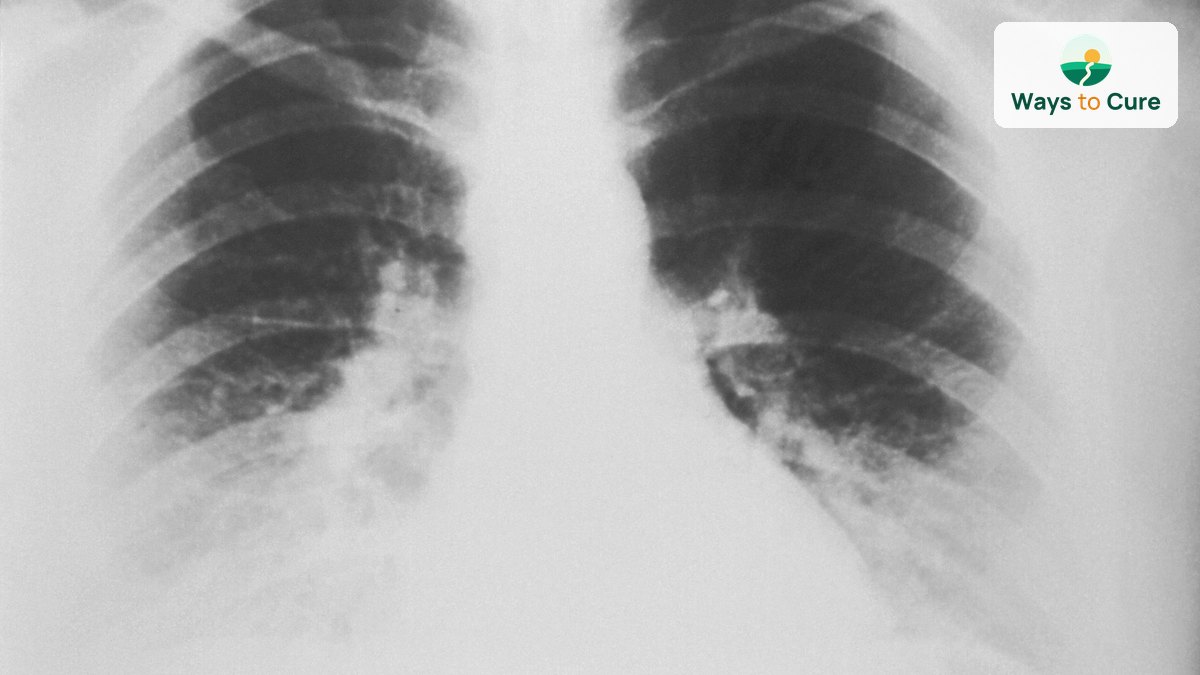
- Order a chest X-ray to check whether the lungs themselves are infected
- Take a throat or nose swab for a molecular (PCR-type) test. The CDC’s lab guidance calls these nucleic acid amplification tests the preferred way to confirm Mycoplasma.
Antibiotics
Many mild Mycoplasma infections clear up without medicine. When the infection has reached the lungs, doctors routinely treat it with antibiotics. Your doctor will choose the drug and dose; don’t use leftover antibiotics or someone else’s prescription.
The CDC’s clinical guidance lists three drug groups:
- Macrolides, such as azithromycin or clarithromycin, for children and adults
- Tetracyclines, such as doxycycline, for older children and adults
- Fluoroquinolones, such as levofloxacin, for adults
Two practical points. First, amoxicillin, the usual first choice for typical pneumonia in many countries, doesn’t work against Mycoplasma. In the UK, NICE guidance suggests doctors use clarithromycin or doxycycline, alone or added to amoxicillin, when they suspect an atypical germ, and erythromycin if a macrolide is needed in pregnancy.
Second, macrolide resistance varies hugely by country. The CDC says it has stayed under 10% in the United States. In Asia it’s far higher: a review in Emerging Infectious Diseases found rates from 13.6% to 100% across studies, and above 90% in some epidemic years in Japan and China. If you’re not improving on a macrolide, the CDC suggests doctors consider a switch, for example to doxycycline.
Finish the full course you’re given, even once you feel better, and contact your doctor if you’re not feeling any better after 2 to 3 days of antibiotics.
How long does walking pneumonia last? Recovery week by week
Expect weeks, not days. The CDC says symptoms can last several weeks, and the American Lung Association notes the cough usually outlasts everything else. The table below uses the recovery timeline from NICE, which covers community-acquired pneumonia in adults generally. If your illness was mild, you may move faster than this; NICE says the pace depends on how severe the pneumonia was.
| Time point | What’s typical | Source |
|---|---|---|
| 1-4 weeks before symptoms | Incubation. You feel fine but may already be infectious. | CDC; American Lung Association |
| First 2-3 days of antibiotics | You should start to feel some improvement. If not, call your doctor. | NHS; NICE |
| By 1 week | Fever should have gone. | NICE |
| 2-4 weeks | Most people with pneumonia feel better. By 4 weeks, chest pain and phlegm should be much reduced. In children, the cough may last up to 4 weeks. | NHS; NICE |
| By 6 weeks | Cough and breathlessness should be much reduced. | NICE |
| By 3 months | Most symptoms gone, though tiredness may linger. | NICE |
| By 6 months | Most adults feel back to normal. | NICE |
A cough that’s slowly fading at week 4 is normal. A cough or fever that’s getting worse at any point isn’t.
Home care, and getting back to work, school and exercise
The NHS advice for pneumonia at home is simple:
- Rest until you feel better.
- Drink plenty of fluids.
- Take paracetamol (acetaminophen) or ibuprofen for fever and aches, if you’ve been told they’re safe for you.
- Don’t smoke, and avoid secondhand smoke.
- Cover coughs and sneezes with a tissue, bin it, and wash your hands.
The NHS advises against cough suppressants for pneumonia, because coughing helps clear the infection. A humidifier and warm showers can loosen mucus, but they only ease symptoms.
Work and school. There’s no fixed number of days off. The NHS says to stay home if you have a high temperature or can’t manage your normal activities. Because the cough can last for weeks, you may well be back at work or school before it has fully stopped. Cover your cough and wash your hands often, especially around babies, older relatives and anyone with lung disease. For older family members, see our guide to pneumonia signs in older adults.
Exercise. We couldn’t find an official day count for returning to exercise after walking pneumonia. A sensible approach: wait until the fever has gone, start with walking, and build up gradually. Stop and get checked if you become unusually breathless or develop chest pain.
When to see a doctor
Book an appointment (or call your GP, or NHS 111 in the UK) if:
- A cold-like illness is getting worse, or isn’t better after 10 days
- Your cough has lasted more than 3 weeks
- You’re coughing up yellow or green phlegm, or have chest pain or feel short of breath
- You have asthma, another lung or heart condition, or a weakened immune system
- You’ve been on antibiotics for 2 to 3 days and don’t feel any better
- You start to wheeze
Get emergency help by calling your local emergency number (911 in the US, 999 in the UK, 112 in the EU and India) if you or your child:
- Is struggling to breathe, or is short of breath even while sitting still
- Has blue, grey, pale or blotchy lips, tongue or skin
- Is coughing up blood
- Becomes suddenly confused or hard to wake
- Has symptoms that are getting worse quickly over minutes to hours, or new or worsening chest pain
Frequently asked questions
Can walking pneumonia go away on its own?
Often, yes. The CDC says most mild Mycoplasma infections clear up without medicine. If a doctor finds pneumonia, they’ll usually prescribe an antibiotic, and you should see someone if you’re getting worse or not improving.
Why didn’t amoxicillin help my walking pneumonia?
Mycoplasma has no cell wall, and amoxicillin works by attacking the cell wall. Doctors use a macrolide, doxycycline or (in adults) a fluoroquinolone instead. Read more about the different types of pneumonia and how they’re treated.
Is it walking pneumonia or the flu?
Flu usually comes on within a few hours and makes you feel more unwell. Walking pneumonia creeps in, with a cough that builds over days. Our 2026 flu symptoms guide covers flu in detail, and our guide to telling a cold from flu helps with the early days.
What helps a cough that won’t go away after pneumonia?
Time, fluids and not smoking. The NHS advises against cough suppressants during pneumonia. If the cough lasts more than 3 weeks, is getting worse, or comes with breathlessness or blood, see a doctor. Our article on types of cough explains what different coughs can mean.
This article is for general information and is not a substitute for advice from a doctor. If you have symptoms or a health condition, please consult a qualified healthcare professional.