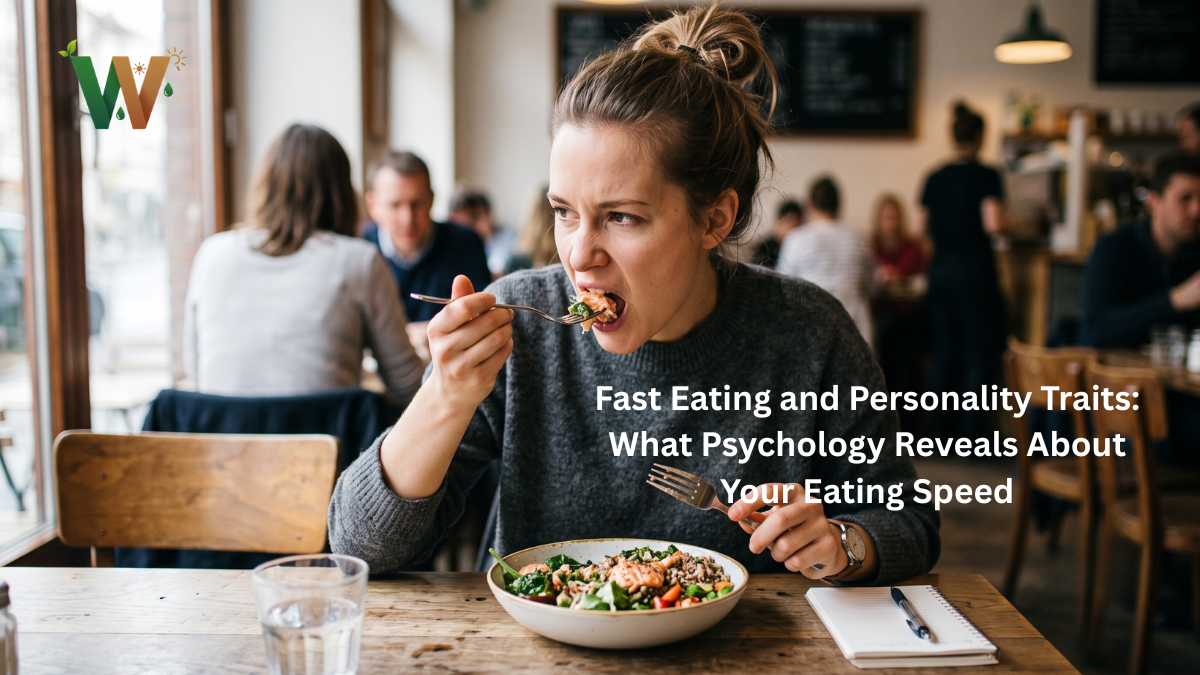
Have you ever sat down for a meal with friends or colleagues and finished your plate before anyone else was even halfway through? Or maybe you have noticed a friend who consistently wolfs down their lunch in under five minutes, no matter how relaxed the setting is.
Eating is one of the most basic human activities, yet the way we eat varies dramatically from person to person. While some people savor every single bite, lingering over dinner for an hour, others treat eating like an urgent task on a to-do list.
Psychologists and behavioral researchers have long studied the connection between everyday habits and underlying personality traits. It turns out that the speed at which you eat isn’t just a random habit or a reflex developed during childhood. It can actually provide fascinating insights into your mindset, your stress levels, your approach to work, and how you navigate relationships.
Here is a comprehensive breakdown of what psychology reveals about fast eaters, the science behind eating pace, and how this simple daily habit shapes your well-being.
Table of Contents
The Science Behind Eating Speed and Behavior
To understand why some people eat fast, it helps to look at how habits form in the brain. Eating speed is governed by a combination of biological signals, learned behaviors, and psychological tendencies.
When you sit down to eat, your brain evaluates several factors simultaneously:
- Internal hunger signals: How long has it been since your last meal?
- Environmental cues: Are you in a noisy restaurant, sitting at a work desk, or watching television?
- Emotional state: Are you feeling anxious, excited, bored, or stressed?
- Conditioned habits: How fast did your family eat when you were growing up?
Over time, these factors create a default baseline speed. For fast eaters, this baseline is set to high gear. Psychologists note that automatic behaviors like eating speed often mirror broader behavioral patterns in daily life. If your brain approaches meals with urgency, it likely approaches other tasks with a similar sense of momentum.
Key Personality Traits of People Who Eat Very Fast
Psychological research and observational studies link fast eating to several distinct personality traits and behavioral tendencies. While eating fast does not mean you fit every single description, people who consistently clear their plates quickly often exhibit many of the following characteristics.
1. High Drive and Goal Orientation
Fast eaters are frequently ambitious, driven, and goal-oriented individuals. In psychological terms, they often display high levels of conscientiousness and a strong need for achievement.
When a fast eater looks at a plate of food, their brain often categorizes it as a objective to complete rather than an experience to prolong. They focus on getting the job done efficiently so they can move on to the next item on their schedule.
This trait shows up in other areas of life too:
- They prefer clear objectives and measurable results at work.
- They take pride in checking items off their daily task list.
- They tend to move, walk, and speak with a natural sense of purpose.
2. Exceptional Efficiency and Time Awareness
Time is one of the most valuable assets for a fast eater. People who eat quickly often possess an acute awareness of time and a strong desire to maximize every minute of the day.
Psychologists refer to this mindset as time urgency. It is not necessarily driven by anxiety; often, it is simply a preference for productivity over leisure. Fast eaters often view sitting at a table for extended periods as an inefficient use of time, especially when work or personal goals are waiting.
In professional environments, this efficiency makes them reliable team members who meet deadlines easily. However, it can also make it hard for them to slow down and relax when work is done.
3. Type A Behavioral Tendencies
The connection between eating speed and Type A personality traits is well-documented in behavioral psychology. Type A individuals are typically competitive, organized, highly conscious of time management, and eager to accomplish multiple tasks quickly.
A fast eating speed is often one of the clearest physical markers of a Type A disposition. If you find yourself tapping your foot while waiting for food to arrive, or if you naturally turn eating into a personal speed test, you likely lean toward Type A characteristics.
4. A Proactive, Problem-Solving Mindset
People who eat fast tend to take action quickly. When faced with a challenge or a decision, they prefer to move forward rather than deliberate indefinitely.
This proactive nature means fast eaters rarely suffer from extreme procrastination. They tackle tasks head-on, make decisions with confidence, and handle responsibilities without needing constant push or oversight.
However, this same urgency can occasionally lead them to hurry through moments that require patience, thoroughness, or deep reflection.
5. Multitasking Tendencies and Mental Restlessness
If you eat quickly, there is a high chance you also struggle to sit completely still during meals. Fast eaters frequently multitask while eating — checking emails, watching videos, reading news, or planning their afternoon schedule.
Psychologists note that fast eaters often experience a form of continuous mental activity. Their minds move rapidly from one thought to the next, making single-focus activities like quiet dining feel surprisingly challenging. Eating fast becomes a way to keep up with the fast pace of their internal thoughts.
How Fast Eating Develops: Root Causes and Background
Personality traits do not develop in a vacuum. A person’s eating speed is often shaped by specific life experiences, professional environments, and family dynamics. Understanding where the habit comes from helps explain why it feels so automatic.
Early Childhood and Family Dynamics
Many fast eaters pick up the habit at the family dinner table. If you grew up in a large household with several siblings, eating quickly may have been a subtle strategy to ensure you got your fair share of food or seconds before everything disappeared.
Similarly, if your parents ate quickly due to demanding work schedules, you likely adopted their pace through simple observational learning during childhood.
High-Stress Work Environments
Certain professions actively train people to eat as fast as possible. Healthcare workers, teachers, first responders, corporate executives, and hospitality staff often get brief, unpredictable meal breaks.
After years of scarfing down lunch in ten minutes between meetings or shifts, the brain adopts fast eating as a permanent habit. Even on weekends or during vacations, the body maintains the same rapid pace because the brain associates mealtime with a narrow window of opportunity.
Habitual Stress and Anxiety
Chronic stress plays a massive role in how fast we consume food. When the body experiences elevated stress levels, the sympathetic nervous system triggers a mild fight-or-flight response. Cortisol and adrenaline levels rise, creating a subtle internal feeling of urgency.
When you eat under stress, your body instinctively treats the meal as something to finish quickly so you can return to dealing with perceived threats or pressures.
Fast Eaters vs. Slow Eaters: Personality Comparison
To see the contrast clearly, it helps to compare fast eaters with slow eaters across common personality dimensions.
| Personality Dimension | Fast Eaters | Slow Eaters |
| Primary Motivation | Efficiency, task completion, momentum | Enjoyment, mindfulness, sensory experience |
| Work Style | Rapid execution, goal-driven, proactive | Detail-oriented, methodical, deliberate |
| Social Preference | Prefers concise, active interactions | Enjoys lingering conversations and relaxed settings |
| Stress Response | Accelerates pace to finish tasks faster | Pauses or slows down to process emotions |
| Control Orientation | Takes direct charge of schedules and outcomes | Flexible, go-with-the-flow approach |
Neither eating style is inherently superior in terms of character or intelligence. However, understanding your default pace offers useful clues about how you navigate daily life and manage stress.
The Health Implications of Eating Too Fast
While fast eating reflects positive traits like high energy and strong motivation, it also brings notable physical health challenges. Gastroenterologists and nutrition experts consistently emphasize that eating speed directly impacts digestion, metabolic health, and weight management.
1. Digestive Discomfort and Bloating
Digestion begins in the mouth. Chewing breaks food into smaller particles and mixes it with salivary enzymes that begin breaking down carbohydrates.
When you eat very fast, you chew less. Large pieces of unchewed food enter the stomach, forcing the digestive system to work significantly harder. This frequently leads to common issues:
- Acid reflux and heartburn
- Abdominal bloating and excess gas
- Indigestion and stomach cramps
Additionally, fast eaters swallow more air while gulping down food, which worsens bloating and discomfort after meals.
2. Delayed Satiety and Overeating
It takes approximately 20 minutes for the stomach to send hormonal signals (such as cholecystokinin and leptin) to the brain indicating that you are full.
If you finish an entire meal in seven minutes, your brain has not had enough time to register satiety. As a result, you are far more likely to feel hungry even after consuming sufficient calories, leading to second helpings and unintended overeating.
3. Higher Risk of Metabolic Issues
Numerous epidemiological studies have linked fast eating to an increased risk of metabolic syndrome, type 2 diabetes, and obesity. Rapid consumption causes sharper spikes in blood sugar and insulin levels compared to eating the exact same food at a measured pace. Over time, these frequent spikes can contribute to insulin resistance.
Practical Ways to Slow Down Your Eating Pace
If you are a fast eater who wants to protect your digestive health, lower your stress levels, or simply enjoy your meals more, you can retrain your eating speed. Because fast eating is a deeply ingrained behavioral habit, changing it requires deliberate practice.
Step 1: Put Your Utensils Down Between Bites
This simple mechanical change works remarkably well. Instead of holding your fork or spoon ready for the next mouthful while still chewing, rest your utensils flat on the table after every bite. Swallow completely before picking them up again.
Step 2: Set a Minimum Chew Goal
Aim to chew each bite 15 to 20 times before swallowing. This physically slows down your intake, releases more flavor, and makes digestive work much easier on your stomach.
Step 3: Remove Screens and Digital Distractions
Eating while scrolling through social media, answering emails, or watching television splits your attention. Unconscious eating almost always leads to faster eating. Try designating at least one meal a day as a screen-free zone where you focus entirely on your food.
Step 4: Use Small Pause Cues
Midway through your meal, pause for two minutes. Take a sip of water, take a breath, and evaluate your true hunger level. This brief pause gives your stomach time to communicate with your brain, helping you recognize fullness before you overeat.
Step 5: Start Meals with a Mindful Breath
Before taking your first bite, take three slow, deep breaths. This simple action shifts your nervous system out of a high-alert state and into a relaxed parasympathetic state, setting a calm tone for the entire meal.
Embracing What Your Habits Teach You
Your eating speed is a fascinating mirror reflecting how you live your life. If you are a fast eater, your speed highlights your ambition, efficiency, drive, and proactive nature. These are strong traits that serve you well in many personal and professional settings.
At the same time, recognizing the physical and psychological impact of eating fast allows you to make conscious choices. You do not need to rewrite your entire personality to build a healthier relationship with food. By introducing small, deliberate pauses into your meal routine, you can keep your natural drive while giving your body the time, care, and digestion it deserves.
Next time you sit down for a meal, take a moment to notice your pace. Your plate isn’t just fuel; it’s a window into how you operate every day.