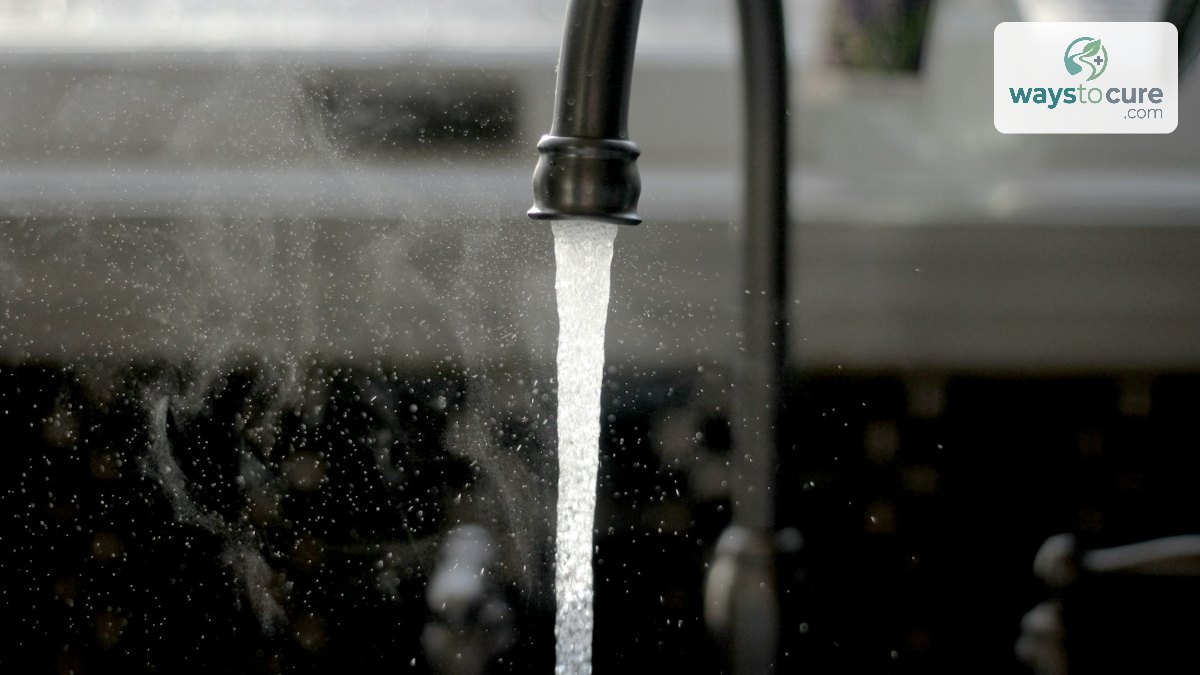
If someone gets burned by a sparkler, cracker or diya this Diwali, put the burn under cool running water for 20 minutes, starting as soon as you can, and don’t put ice, toothpaste, ghee or turmeric on it. Then cover it loosely with cling film or a clean, non-fluffy cloth and decide whether it needs a hospital: a burn bigger than the person’s own palm, a deep burn, or one on the face, hands, feet or genitals should be seen by a doctor the same day.
Diwali falls on Sunday, 8 November this year, with Dhanteras and Choti Diwali on the two days before it. That’s three or four evenings of crackers, diyas and loose festive clothing, so it helps to know the steps before you need them.
First aid for a burn, step by step
- Stop the burning. Move the person away from the cracker or flame. If their clothes are on fire, see the “stop, drop and roll” section below.
- Cool the burn with cool running water for 20 minutes. The NHS and the World Health Organization both give 20 minutes under cool running water as the standard advice. Use a tap, or keep pouring water from a bucket with a mug. Cooling still helps if you start late: the NHS says to begin within 3 hours of the burn.
- Take off rings, bangles, watches and tight clothing near the burn early, because the area will swell. Leave anything that’s stuck to the skin. WHO advises removing clothing that isn’t stuck and never pulling off material that is.
- Keep the rest of the person warm. Cool the burn, not the whole person. This matters most for small children: the Royal Children’s Hospital Melbourne burns guideline says to keep the child otherwise warm and to pause cooling if they get too cold.
- Cover it loosely. Once cooled, lay cling film over the burn in strips, lengthways. Don’t wrap it round and round a finger or arm. A clean, non-fluffy cloth works if you have no cling film. Don’t use sticky plasters.
- Treat the pain. Paracetamol or ibuprofen at the usual dose on the pack is fine for most adults, as the NHS suggests.
- Leave blisters alone. Don’t burst them.
What not to put on a burn
Every family seems to have a favourite “cooling” remedy. WHO is blunt about it: don’t apply ice, oils, butter, toothpaste, traditional pastes or other household substances to a burn.
| Home remedy | Why to skip it |
|---|---|
| Ice or ice water | Cleveland Clinic warns that ice can make the burn worse. Use cool tap water instead. |
| Toothpaste | It doesn’t cool the skin like running water does, and it’s another thing the doctor has to clean off. |
| Ghee, butter, coconut oil | Oils and butter are on both the WHO and NHS lists of things not to use. Ghee is no different. |
| Turmeric (haldi) paste | Exactly the kind of “traditional paste” WHO says to avoid. |
| Mud, cow dung, ink, coffee powder | Not sterile, and they go straight onto broken skin. |
| Burn creams on a fresh burn | The NHS says not to put creams on a burn as first aid. A doctor may prescribe a dressing or cream later. |
How deep is the burn?
Doctors grade burns by how many layers of skin are damaged. The older names (first, second and third degree) are still widely used.
| Type | What you see | Pain | Healing |
|---|---|---|---|
| Superficial (first degree) | Red or darker skin, no blisters. A typical brush with a sparkler. | Sore | Usually a few days, without a scar |
| Partial thickness (second degree) | Blisters, and colour or texture changes beyond simple redness | Painful | Can take up to three weeks |
| Full thickness (third degree) | Skin looks charred black, or ashen and grey | Often painless, because nerve endings are destroyed | More than three weeks, often needs hospital care |
The healing times above come from Cleveland Clinic. Note the last row: a burn that doesn’t hurt is not a reassuring sign. If you’re unsure how deep a burn is, get it seen.
How to estimate the size: the palm rule
Doctors describe burn size as a percentage of total body surface area. A quick way to estimate it at home: the burned person’s palm, including the fingers, is about 1% of their body. The Minnesota Department of Health, following American Burn Association teaching, gives this rule and stresses using the patient’s hand, not yours.
The rule holds up for Indian bodies too. A study of 300 adults and 300 children in the Indian Journal of Plastic Surgery found the whole hand (palm plus fingers) averaged 0.92% of body area in adults and 1.06% in children. The palm alone was only about half of that, so always include the fingers.
Why this matters: MedlinePlus lists a burn about the size of the person’s palm or larger as a reason to call for emergency help.
If clothes catch fire: stop, drop and roll
Running fans the flames. Instead:
- Stop where you are.
- Drop to the ground.
- Roll over and over until the flames are out.
If it’s someone else, wrap them in a thick blanket, rug or heavy cloth to smother the flames, as MedlinePlus advises. Then cool the burns with water, leave stuck fabric where it is, and call 112. A clothing fire usually causes a large burn, so this is always a hospital visit.
Children and older adults need a lower bar for hospital
MedlinePlus notes that children under 5 and adults over 55 have a higher chance of complications from severe burns. The NHS suggests getting advice for any burn in a child under 5, and the Royal Children’s Hospital guideline lists all burns in babies under 12 months among those to discuss with a specialist burns service.
In practice:
- Any burn in a baby or toddler that blisters, or is bigger than a coin, should be checked by a doctor.
- For grandparents and other adults over 55, get any blistered burn checked rather than waiting to see how it goes.
- Don’t leave a child alone with sparklers. The wire can stay hot after the sparks stop, so drop used ones straight into a bucket of water.
Do you need a tetanus shot?
Possibly. The US CDC counts burns as “dirty or major” wounds for tetanus purposes. For someone who completed their primary tetanus vaccines, a booster is advised if the last dose was 5 or more years ago. If you can’t remember when you last had one, mention the burn to a doctor or the nearest health centre. Children who are up to date on the national immunisation schedule are usually covered, but check the vaccination card.
Go to hospital or call 112 if…
- The burn is about the size of the person’s palm (with fingers) or larger.
- It looks charred, ashen or grey, or it doesn’t hurt.
- It’s on the face, eyes, ears, hands, feet or genitals, even if small.
- It was caused by a chemical or by electricity (for example, decorative lights).
- The person breathed in a lot of smoke or is struggling to breathe.
- They feel faint, look very pale or become drowsy.
- The burned person is a baby, a child under 5 with anything more than a small red mark, or an older adult with a blistered burn.
- Over the next few days the burn starts oozing, smells bad, or you notice fever, swelling or skin around it getting hotter. Cleveland Clinic lists these as signs of infection.
Don’t drive yourself if you’re badly burned. Ask someone to take you, or call 112.
A spark or fragment in the eye is a separate emergency with its own first aid. Our guide to firecracker eye injuries covers what to do.
How to prevent burns this Diwali
- Keep a full bucket of water next to where crackers are lit, plus a second one for used sparklers.
- Wear close-fitting cotton clothes. Tuck in or tie back dupattas, saree pallus and long hair when you’re near diyas or lighting crackers.
- Light crackers with a long agarbatti held at arm’s length, and step back straight away. Never lean over a cracker.
- Don’t relight a cracker that didn’t go off. Wait, then soak it in water.
- Burst crackers in an open space, away from parked vehicles, dry leaves and hanging curtains.
- Place diyas where children can’t knock them over and where clothes won’t brush past them.
- Adults should light the crackers. MedlinePlus recommends teaching children about the danger of matches and fireworks.
The smoke is a hazard too, especially for children with asthma. See our guides on protecting your lungs at home when AQI goes above 300, warning signs of pollution-triggered asthma in children and whether N95 masks work against pollution.
Frequently asked questions
Can I put ice on a burn to stop the pain faster?
No. Ice can damage the skin further. Cool running tap water for 20 minutes does the job and eases the pain.
It’s been an hour since the burn. Is it too late to cool it?
No. The NHS says cooling is worth doing up to 3 hours after the burn, so put it under the tap now.
Should I pop a burn blister?
No. The blister protects the skin underneath. If it’s large, in an awkward spot or bursts on its own, have a doctor or nurse dress it.
How long does a sparkler burn take to heal?
A red burn without blisters usually settles in a few days. A blistered burn can take up to three weeks. If it isn’t clearly improving after a few days, or shows signs of infection, see a doctor.
Is sunburn the same kind of injury?
A mild sunburn is a superficial burn too, just caused by UV light rather than heat. You can read more in our post on why sunburned skin peels.
This article is for general information and is not a substitute for advice from a doctor. If you have symptoms or a health condition, please consult a qualified healthcare professional.