Human metapneumovirus (HMPV) is a common respiratory virus that has been circulating for many years and usually causes a cold-like illness: cough, fever, blocked nose and sore throat that clear up within about a week. It can be more serious in babies, young children, older adults and people with weak immunity or lung disease, and because there’s no specific antiviral medicine or vaccine for it, the focus is on good home care and spotting breathing trouble early.
Here’s what HMPV is, who needs to be careful, how it’s treated, and the signs that mean a child or adult needs a doctor.
What is HMPV?
HMPV belongs to the same virus family as RSV (respiratory syncytial virus). The CDC notes it was discovered in 2001 and can infect the upper airways (nose and throat) or the lower airways (the lungs) at any age.
It isn’t new to India either. When HMPV cases in infants made headlines in January 2025, the Union Health Ministry said the virus had been circulating worldwide for many years, including in India, and that it was not a new virus, as reported by All India Radio. In the US, the CDC says it usually peaks in late winter and spring.
HMPV symptoms
According to Cleveland Clinic, the usual symptoms are:
- cough
- fever
- runny or blocked nose
- sore throat
- wheezing
- shortness of breath
- sometimes a rash
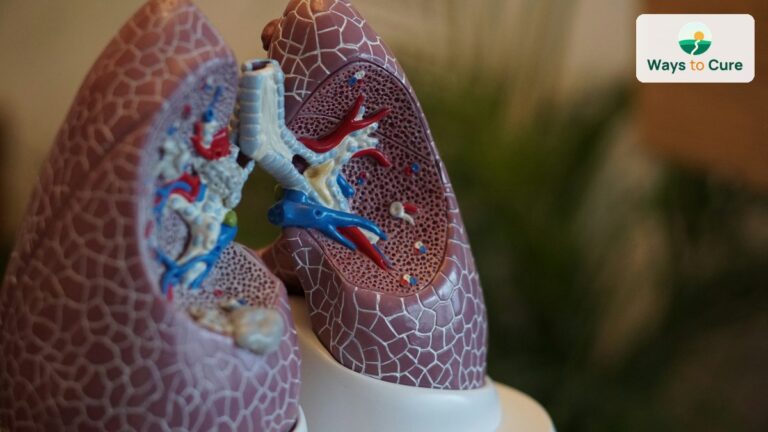
Mild cases usually last a few days to a week, though a cough can hang on longer. In more serious cases the infection moves down into the chest and causes bronchiolitis (inflamed small airways, common in babies), bronchitis or pneumonia. It can also set off an asthma or COPD flare and lead to ear infections in children.
Who is at higher risk?
Most healthy adults and older children get a bad cold and nothing more. Cleveland Clinic lists these groups as more likely to become seriously ill:
- children under 5, especially babies born prematurely
- adults over 65
- people with a weakened immune system, for example during cancer treatment
- people with asthma or COPD
The peak age for severe illness is 6 to 12 months. A large US study published in the New England Journal of Medicine found HMPV in about 6% of children under 5 who were admitted to hospital with a respiratory illness or fever. Hospital admissions linked to HMPV were around 3 per 1,000 babies under 6 months each year, compared with 1 per 1,000 across all children under 5. Most of those children had been healthy before. The same study found HMPV in about 7% of young children seen in outpatient clinics and 7% of those seen in emergency departments with a respiratory illness or fever, so it’s a common reason for doctor visits as well as hospital stays.
In adults, the CDC notes that HMPV can make COPD worse. If you or an elderly parent has COPD, heart disease or another long-term illness, treat a new cough and breathlessness as a reason to check in with your doctor early rather than waiting it out.
How HMPV spreads
The CDC says it spreads through coughs and sneezes, close contact such as shaking hands, and touching contaminated surfaces and then your face. That’s why it moves fast through crèches, schools and joint families living in close quarters.
How it’s diagnosed
Usually from symptoms alone. A nose or throat swab can confirm HMPV, but Cleveland Clinic notes that testing is generally done only when symptoms are serious, for example in a baby admitted to hospital. A chest X-ray may be done if the doctor suspects pneumonia. For most people with a mild illness, knowing the exact virus doesn’t change the treatment.
HMPV compared with flu and COVID-19
The big practical difference is what medical tools exist:
| Virus | Vaccine available? | Specific antiviral medicine? |
|---|---|---|
| HMPV | No | No; care is supportive (fluids, rest, oxygen if needed) |
| Influenza (flu) | Yes, given every year | Yes, prescription antivirals that work best if started within 2 days |
| COVID-19 | Yes | Yes, for higher-risk people, started within 5 to 7 days |
Sources: CDC on HMPV, CDC on flu treatment, CDC on COVID-19 treatment. Because the symptoms look alike, a doctor may test for flu or COVID-19 in a high-risk person, since those two can be treated. For more on flu, see our article on H1N1 early signs and when to test.
Treatment and home care
There’s no antiviral for HMPV, and antibiotics don’t work on viruses. Doctors prescribe antibiotics only if a bacterial infection develops on top. Most people recover at home. What helps:
- Fluids: water, soups, coconut water, dal ka paani; for babies, keep up breastfeeds or formula.
- Rest until the fever settles.
- Fever and pain relief: paracetamol at the dose on the pack. For children, check with your paediatrician before giving any medicine, and don’t give aspirin to anyone under 16.
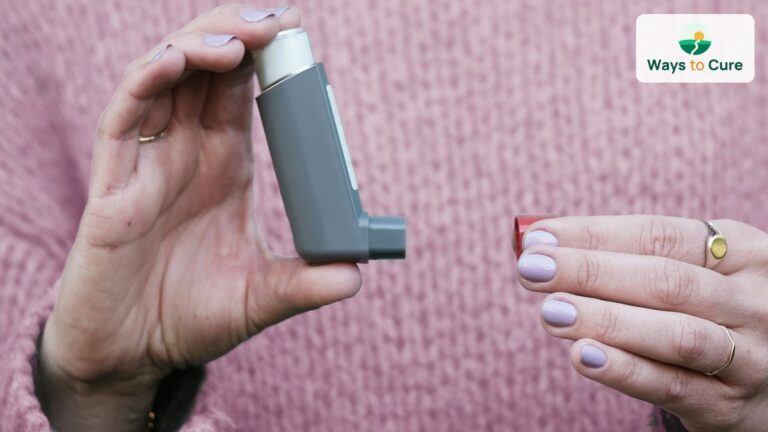
- Keep inhalers going if you have asthma or COPD, and follow your action plan if symptoms flare. Our overview of asthma symptoms and precautions covers the basics.
Severe cases are treated in hospital with oxygen, IV fluids and sometimes steroids. A cough can linger for a while after the fever goes. Our guide to types of cough and home relief has tips.
Preventing HMPV
The same habits that cut colds and flu work here. The CDC and Cleveland Clinic recommend:
- washing hands with soap and water often, or using an alcohol-based sanitiser
- coughing and sneezing into your elbow
- not sharing cups, glasses or spoons during an illness
- keeping a sick child home from school or crèche
- keeping people with colds away from newborns and premature babies
- wearing a mask if you’re sick and can’t avoid other people
- wiping down often-touched surfaces such as door handles and phones
These steps also protect against flu. See our tips on protecting yourself during flu season.
When to see a doctor, and when to call 112
Cleveland Clinic advises contacting a doctor if:
- you or your child has a higher-risk condition and develops respiratory symptoms
- symptoms don’t improve within a few days
- a fever lasts longer than 3 days
Seek emergency care (call 112 or go to the nearest hospital) for:
- difficulty breathing, such as fast or laboured breathing, grunting in a baby, or a child too breathless to feed or talk
- bluish lips, tongue, skin or nails
- a fever above 103°F
- a baby who is very drowsy, floppy or hard to wake
- a long-term condition such as asthma, COPD or heart disease that is getting suddenly worse
Frequently asked questions
Is HMPV a new virus like COVID-19?
No. It was identified in 2001 and has been circulating for years, including in India. The Union Health Ministry made this point in January 2025 when cases in infants were reported.
Is there a vaccine or medicine for HMPV?
Not yet. There’s no HMPV vaccine and no antiviral drug. Treatment is supportive: fluids, rest, fever relief, and oxygen in hospital for severe cases.
How long does HMPV last?
Mild illness usually lasts a few days to a week. A cough can linger for longer, and severe infections take more time to settle.
Should my child be tested for HMPV?
Usually not. Testing is mostly done when a child is seriously ill or in hospital. For a mild cold, the result wouldn’t change how you care for them.
Can adults get HMPV?
Yes, at any age. Healthy adults usually get a cold-like illness, but older adults and people with lung disease or weak immunity can develop pneumonia.
This article is for general information and is not a substitute for advice from a doctor. If you have symptoms or a health condition, please consult a qualified healthcare professional.