
For occasional heartburn, the home measures with the best evidence are simple ones: smaller meals, a 3-hour gap before bed, raising the head of the bed and chewing sugar-free gum after eating. Most kitchen remedies, from cold milk to apple cider vinegar, haven’t been properly tested, and a few (baking soda used often, whole-leaf aloe juice, sage oil) can cause real harm.
Below, each popular remedy gets a plain verdict: what the evidence says, its limits and who should skip it. One rule first: if “heartburn” comes with tightness, sweating or breathlessness, it may not be heartburn at all. The emergency signs are further down.
Quick verdicts at a glance
| Remedy | Verdict | Main caution |
|---|---|---|
| Raising the head of the bed | Reasonable evidence for night-time symptoms | Use blocks or a wedge, not extra pillows |
| Sleeping on your left side | Some evidence | None for most people |
| Sugar-free gum after meals | Small study supports it | Sugar-free only, to protect your teeth |
| Cold milk | Untested; any relief is brief | Don’t use it to put off seeing a doctor |
| Baking soda in water | Works short term as an antacid | High in sodium; not for children, pregnancy, heart, kidney or BP problems without a doctor |
| Aloe vera juice | No good evidence for heartburn | Whole-leaf or latex-containing types act as laxatives and carry other risks |
| Ginger | No good evidence for heartburn | Can itself cause heartburn |
| Jeera, ajwain, saunf | Traditional, untested for heartburn | Fine as food; avoid concentrated oils |
| Bananas | Untested | Harmless for most people |
| Apple cider vinegar | No good evidence | It’s an acid; skip it if it makes things worse |
| Sage tea or oil | No good evidence | Sage oil contains thujone and has caused seizures in children |
Remedies with evidence behind them
Raise the head of your bed
The American College of Gastroenterology’s 2022 guideline suggests elevating the head of the bed for night-time reflux symptoms. Put sturdy blocks or bricks under the legs at the head end, or use a foam wedge under the mattress. The aim is to put your whole upper body on a gentle slope, which extra pillows under your head don’t really do.
Sleep on your left side
The same guideline notes that lying on your right side tends to increase night-time reflux compared with lying on your left, and that people may be advised to avoid sleeping right side down. It costs nothing to try.
Leave a gap before bed, and eat smaller meals
The ACG suggests avoiding meals in the 2 to 3 hours before bed, and the NHS says don’t eat within 3 or 4 hours of bedtime and eat smaller, more frequent meals. If late dinners are normal in your house, try moving the heaviest food to lunch and keeping dinner light.
Chew sugar-free gum after a meal
In a study of 31 people with reflux symptoms, chewing sugar-free gum for half an hour after a meal cut the time the food pipe spent in acid after eating (from 5.7% to 3.6% of the time). It was a small study, so treat it as a helpful extra rather than a treatment.
Common remedies, evidence-checked
Cold milk
Probably the most common Indian heartburn remedy. There aren’t good studies showing milk treats heartburn. A cold glass may feel soothing for a few minutes, but it’s also food, and a full stomach is one of the things that drives reflux. If milk helps you and doesn’t make things worse later, there’s no harm in an occasional glass. Just don’t use it night after night instead of finding out why you’re getting heartburn.
Baking soda (sodium bicarbonate)
Baking soda does neutralise acid, which is why it gives quick relief. The problem is the sodium and what happens with repeated use. MedlinePlus advises:
- Don’t use it for longer than 2 weeks unless a doctor tells you to
- Don’t give it to children under 12 unless a doctor advises it
- Check with a doctor first if you have high blood pressure, heart failure or kidney disease, are on a low-salt diet, or are pregnant or breastfeeding
- Don’t take it on an overly full stomach, and dissolve powder fully in at least 120 ml of water
- Keep it at least 2 hours apart from other medicines
If you find yourself reaching for baking soda several times a week, that’s a sign you need a proper diagnosis, not more soda.
Aloe vera juice
Aloe products are not all the same. Gel comes from the inner leaf, while latex comes from the leaf’s outer layer, and “whole-leaf” or non-decolourised juices can contain that latex. The US National Center for Complementary and Integrative Health (NCCIH) says oral aloe latex can cause abdominal pain, cramps and diarrhoea, the FDA removed aloe latex from over-the-counter laxatives in 2002 over a lack of safety data, whole-leaf aloe extract is classed as a possible human carcinogen, and some people have developed hepatitis after taking aloe leaf extracts.
There’s no good evidence aloe juice treats heartburn. If you still want to try it, choose a decolourised inner-leaf product. Given the laxative and liver concerns, it’s safest to avoid aloe juice altogether if you’re pregnant, breastfeeding or have liver disease, and not to give it to children.
Ginger
Ginger has decent evidence for pregnancy sickness, but not for heartburn. NCCIH lists heartburn among ginger’s possible side effects, along with tummy discomfort and diarrhoea. A little ginger in your food is fine. Strong ginger shots or supplements taken for heartburn may backfire, and you should talk to your doctor first if you take regular medicines.
Jeera, ajwain and saunf
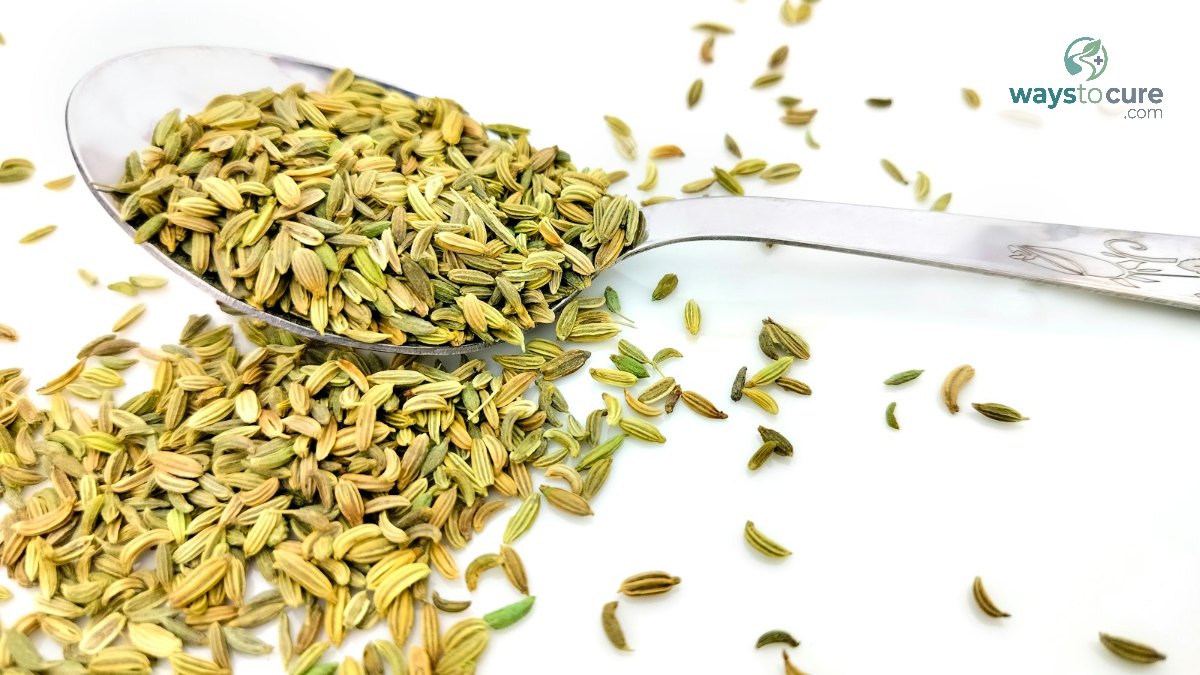
Cumin water, ajwain and fennel seeds after meals are kitchen staples across India. They haven’t been tested properly for heartburn, so there’s no way to say they work. In normal food amounts they’re unlikely to harm you. Concentrated essential oils of these spices are a different thing and shouldn’t be swallowed.
Bananas
Often recommended as a “natural antacid”, but there’s no research showing bananas prevent or relieve heartburn. They’re a reasonable, easy-to-digest snack if you need something light in the evening.
Apple cider vinegar
The theory you’ll see online is that some heartburn comes from too little acid, so adding vinegar helps. There are no good trials supporting this, and swallowing more acid when your food pipe is already irritated makes little sense. If you’ve tried it and your burning got worse, stop.
Sage
Sage occasionally appears in heartburn remedy lists, but there’s no good evidence for it. Sage oil contains thujone and camphor, which can trigger fits: doctors have reported seizures in a newborn and a toddler after accidental exposure to sage oil. Using sage as a herb in cooking is a different matter, but don’t use sage oil or strong sage preparations for heartburn, and keep sage oil away from children.
Herbal products can carry hidden risks; our guide on herbal detoxes and their risks covers a few more.
Heartburn in pregnancy
Heartburn is common in pregnancy, and it’s exactly when you should be most careful with home remedies. Skip baking soda and aloe juice unless your doctor has approved them. Smaller meals, a gap before lying down and raising the head of the bed are all safe to try. Ask your doctor or pharmacist which antacid is suitable for you.
When home remedies aren’t enough
See a doctor if:
- You have heartburn most days, or it’s waking you up
- Home measures and pharmacy medicines haven’t helped after 2 weeks
- Food feels like it gets stuck when you swallow
- You’re losing weight without trying, or being sick often
- Burping or bloating comes with pain (this guide to excessive burping covers common causes)
When “heartburn” may be your heart
A heart attack doesn’t always feel like crushing pain. The NHS lists feeling like you have indigestion, with a burning feeling in the chest, among heart attack symptoms. Call 112 or get to hospital immediately if chest discomfort:
- Feels tight, heavy or squeezing
- Spreads to your arm, jaw, neck or back
- Comes with sweating, breathlessness, nausea or vomiting, or feeling faint
- Is new for you, or different from your usual heartburn, especially if you have diabetes, high blood pressure or smoke
Also go to hospital urgently if you vomit blood or something that looks like coffee grounds, or pass black, tarry stools. Don’t drive yourself, and don’t wait to see if an antacid works. Our explainer on gas pain versus a heart attack goes through the differences in more detail.
Frequently asked questions
Does cold milk help heartburn?
It may feel soothing for a few minutes, but there’s no good evidence it treats heartburn, and a full stomach can make reflux worse. It’s fine occasionally, but not as a nightly fix.
How much baking soda is safe for heartburn?
Follow the dose on the pack, dissolve it fully in at least 120 ml of water, and don’t use it for more than 2 weeks without a doctor. Avoid it in children under 12, and check with a doctor first if you’re pregnant or have heart, kidney or blood pressure problems.
Which side should I sleep on for heartburn?
Your left. Lying on your right side tends to increase night-time reflux. Raising the head of the bed helps too.
Is aloe vera juice safe for acidity?
There’s no good evidence it helps, and whole-leaf or latex-containing aloe can cause cramps and diarrhoea. It’s safest to avoid it in pregnancy, while breastfeeding and in children.
Why does my heartburn come back every night?
Late or large dinners, lying flat soon after eating and extra weight are common reasons. If changing these doesn’t help within a couple of weeks, see a doctor.
This article is for general information and is not a substitute for advice from a doctor. If you have symptoms or a health condition, please consult a qualified healthcare professional.




“Hello Admin! Thanks for this article, very good information, I will be_ forwarding this to some friends, if you’re ok with that. Greetings from Germany!”