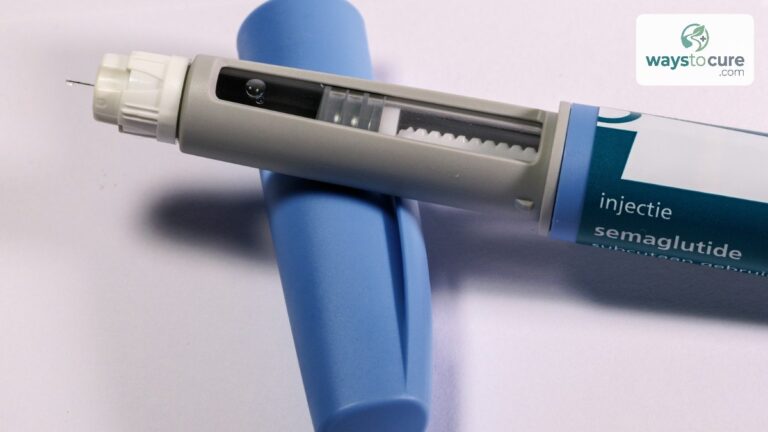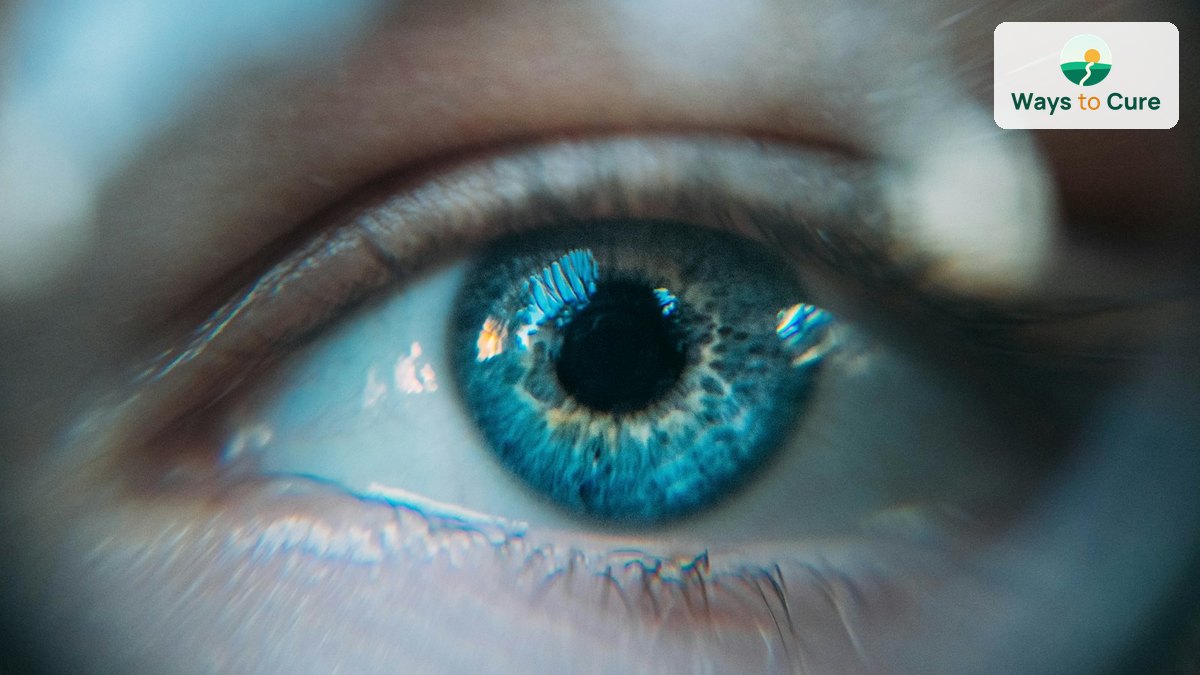
Yes, Ozempic, Wegovy, Mounjaro, Zepbound and every other GLP-1 medicine now carry a US warning about NAION, a rare eye condition that can cause sudden, painless vision loss in one eye. The risk is small (a few extra cases per 100,000 people per year in trials), so most people shouldn’t stop their medicine, but you should know the warning signs and act fast if they show up.
On 9 November 2026 the US Food and Drug Administration told the makers of all GLP-1 receptor agonists to add this risk to the Warnings and Precautions section of their labels. Here’s what that means if you take one of these drugs, or are thinking about starting.
What did the FDA actually say?
The FDA’s Drug Safety Communication says there is a “potential increased risk” of non-arteritic anterior ischemic optic neuropathy (NAION) with GLP-1 receptor agonists. NAION is described as rare, but the vision loss it causes can be permanent.
The warning covers the whole drug class, whether the medicine is prescribed for type 2 diabetes or for weight loss. The FDA also says that if you’ve had NAION, you should talk with your doctor about whether to continue or stop the drug, and it tells doctors to consider stopping it after a NAION event unless the benefits clearly outweigh the risk.
Which medicines does the warning cover?
These are the GLP-1 medicines listed by the FDA. The same generic drug is sold under different brand names in other countries, so check the generic name on your pen or pack.
| Generic name | US brand names | Main use |
|---|---|---|
| semaglutide | Ozempic (injection), Rybelsus (tablet), Wegovy | Type 2 diabetes; weight management |
| tirzepatide | Mounjaro, Zepbound | Type 2 diabetes; weight management |
| liraglutide | Victoza, Saxenda, Xultophy (with insulin degludec) | Type 2 diabetes; weight management |
| dulaglutide | Trulicity | Type 2 diabetes |
| lixisenatide | Soliqua (with insulin glargine) | Type 2 diabetes |
| exenatide | Generic products only | Type 2 diabetes |
| orforglipron | Foundayo (tablet) | Approved 2026 |
Tirzepatide works on two hormone receptors (GIP and GLP-1), but the FDA included it too. If you want a refresher on how the tablet and injection versions differ, see our guide to the Wegovy pill vs GLP-1 injections.
What is NAION?
NAION happens when blood flow to the front of the optic nerve drops, so part of the nerve is starved of oxygen and damaged. The optic nerve carries signals from the eye to the brain, so damage shows up as vision loss.
According to Cleveland Clinic:
- it usually affects one eye at a time, though about 15% of people later get it in the other eye
- the vision loss is usually sudden and painless, often in the lower half of what you see
- most people first notice it after waking up from sleep or a nap
- it mostly affects people over 50
- some people have a small, crowded optic disc (sometimes called a “disc at risk”), which makes them more prone to it
The hard part: there’s no confirmed treatment that brings the lost vision back. Care focuses on managing risk factors and protecting the other eye. That’s why the warning matters even though the condition is uncommon.
How big is the risk?
Smaller than the headlines might suggest. The FDA pooled 126 randomized trials with 134,253 patients. There were 15 probable NAION cases in total: 10 in people taking a GLP-1 drug and 5 in people on placebo. That works out to:
- 6.4 cases per 100,000 person-years on a GLP-1 drug
- 3.8 cases per 100,000 person-years on a comparison treatment
In plain terms: if 100,000 people took a GLP-1 drug for a year, you’d expect roughly 6 cases instead of roughly 4.
The FDA’s real-world study in US adults with type 2 diabetes found 30 to 32 cases per 100,000 person-years with GLP-1 drugs, 31 with SGLT-2 inhibitors (such as empagliflozin) and 26 with DPP-4 inhibitors (such as sitagliptin). The risk compared with SGLT-2 inhibitors wasn’t statistically different, but it was higher than with DPP-4 inhibitors. Rates are higher in that study simply because people with diabetes already have more NAION.
Europe reached a similar view earlier. In June 2025 the European Medicines Agency’s safety committee classed NAION as a “very rare” side effect of semaglutide, meaning it may affect up to 1 in 10,000 people. Large studies in adults with type 2 diabetes suggested about double the risk, or roughly one extra case per 10,000 person-years.
How do US, UK and EU advice compare?
| Regulator | When | Which drugs | Key advice |
|---|---|---|---|
| EMA (EU) | June 2025 | Semaglutide | “Very rare” side effect; stop semaglutide if NAION is confirmed |
| MHRA (UK) | February 2026 | Semaglutide; other GLP-1s under review | Go to eye casualty or A&E urgently with sudden vision loss; stop if NAION confirmed |
| FDA (US) | November 2026 | All GLP-1 receptor agonists | Report vision changes right away; discuss stopping after a NAION event |
The UK’s MHRA Drug Safety Update notes it had received three suspected NAION reports through its Yellow Card scheme from 2018 to August 2025, against an estimated 10.2 million packs dispensed in five years. In India and other countries, follow your national drug regulator and your prescriber, since label wording varies by market.
Who is more likely to get NAION?
The FDA lists these possible risk factors. Many overlap with the reasons people take GLP-1 drugs in the first place, which is one reason the link has been hard to pin down:
- smoking
- diabetes
- high blood pressure
- sleep apnea
- anemia
- kidney disease
- a previous NAION in one eye (the other eye is then at higher risk)
If you have several of these, it’s reasonable to bring up the warning at your next appointment and ask whether a baseline eye exam makes sense.
Should you stop Ozempic or Mounjaro?
Not on your own, and not because of the news alone. None of the regulators have told people without eye symptoms to stop. GLP-1 medicines lower blood sugar and body weight. Stopping suddenly can let your HbA1c and fasting blood sugar climb back up.
The decision changes if you’ve already had NAION, or have one of the risk factors above plus a known “crowded” optic disc. Then you and your doctor should weigh the benefit against the risk. Options may include a different class of diabetes or weight medicine.
Things worth doing now:
- Know the warning signs listed below, and tell family members too, since loss in one eye is easy to miss if the other eye is fine.
- Each morning, cover one eye at a time for a few seconds. This is a simple way to notice a change you might otherwise overlook.
- Keep regular diabetic eye screening appointments if you have diabetes.
- Get blood pressure, sleep apnea and smoking under control, since these raise NAION risk anyway.
- Tell any new doctor or optometrist that you take a GLP-1 medicine.
Get emergency help if…
Contact a doctor or go to emergency care the same day (eye casualty or A&E in the UK, an emergency department elsewhere) if you notice:
- sudden, painless loss of vision in one eye, especially on waking
- a dark or blank patch in part of your vision
- new blind spots or tunnel vision
- colours looking faded or washed out in one eye
- blurry or hazy spots in the centre of your vision
Call your local emergency number (911 in the US, 999 in the UK, 112 in the EU and India) if sudden vision loss comes with face drooping, arm weakness, slurred speech, confusion or a severe headache. Those are stroke signs, and every minute counts. Our guide to BE FAST stroke signs explains what to do in the first hour.
Not every eye complaint on these drugs is NAION. Gritty, tired eyes after screen time are usually dry eye, which you can read about in our post on dry eyes in winter. The red flag is a sudden loss of sight, not general discomfort.
You can report a suspected side effect through FDA MedWatch in the US or the Yellow Card scheme in the UK.
Frequently asked questions
Does Ozempic cause blindness?
It can’t be ruled out in rare cases. NAION can cause permanent vision loss in one eye, and regulators now list it as a possible, very rare side effect of semaglutide and other GLP-1 drugs. Total blindness in both eyes is not what’s being described.
Is Mounjaro (tirzepatide) safer for the eyes than Ozempic?
There’s no evidence for that yet. The FDA applied the same warning to tirzepatide and to every other GLP-1 medicine, because NAION cases have been reported with all of them.
Can NAION vision come back?
Some people get partial improvement, but there’s no proven treatment that restores lost vision. That’s why reporting symptoms quickly and protecting the other eye matter.
Should I get an eye test before starting a GLP-1 drug?
The new labels don’t require one. If you have diabetes, you should already have regular eye screening. If you have several NAION risk factors, ask your doctor or optometrist whether a baseline check is sensible.
I’ve had NAION before. Can I take a GLP-1 drug?
That’s a decision for you and your doctor. The FDA advises discussing whether to continue, and UK and EU guidance says semaglutide should be stopped if NAION is confirmed while you’re taking it.
This article is for general information and is not a substitute for advice from a doctor. If you have symptoms or a health condition, please consult a qualified healthcare professional.