If someone suddenly loses their balance, can’t see properly, has a drooping face, a weak arm or slurred speech, treat it as a stroke and call 112 (or your local ambulance number, such as 108) straight away. Don’t wait to see if it passes, and don’t give aspirin, water or a home remedy first: the most useful thing you can do is get the person to a hospital that can scan the brain, fast.
Today, 29 October, is World Stroke Day. The World Stroke Organization estimates that over 12 million people worldwide will have their first stroke this year, and that 1 in 4 adults over 25 will have a stroke in their lifetime. It also notes that over 60% of strokes happen in people under 70. So this isn’t only a worry for grandparents. Here’s how to spot one and what to do in that first hour.
BE FAST: the six signs to check
Most people have heard of FAST (face, arms, speech, time). BE FAST adds two more checks, balance and eyes, because some strokes don’t show up in the face, arms or speech at all. In a study published in the journal Stroke in 2017, 14.1% of people with an ischaemic stroke had none of the classic FAST signs when they arrived. Adding balance and vision problems brought the share that would have been missed down to 4.4%.
| Letter | What to check | What a stroke can look like |
|---|---|---|
| Balance | Can they stand and walk normally? | Sudden dizziness, loss of balance, swaying or falling to one side |
| Eyes | Ask if their vision has changed | Sudden blurring, double vision or loss of sight in one or both eyes |
| Face | Ask them to smile | One side of the face droops or looks uneven |
| Arms | Ask them to raise both arms and hold them up | One arm drifts down, or feels weak or numb |
| Speech | Ask them to repeat a simple sentence | Slurred words, wrong words, or trouble understanding you |
| Time | Note the clock time and call 112 | Any one of the signs above is enough to call |
The word that matters is sudden. The CDC also lists sudden confusion and a sudden severe headache with no known cause. The NHS adds numbness down one side of the body, nausea or vomiting, and memory loss. You don’t need all of these. One is enough.
Why the first hour matters so much
Most strokes happen because a clot blocks blood flow to part of the brain. Brain cells starved of oxygen don’t last long, which is why doctors say “time is brain”. The faster the blood supply is restored, the more of the person you get back: their speech, their walking, their independence.
You’ll often hear the phrase “golden hour”. There isn’t one agreed medical definition of it, so don’t get stuck on the exact number. Here’s what the real time limits look like:
- Clot-busting medicine (thrombolysis), given through a drip, has to be started within 4½ hours of when the symptoms first began, according to MedlinePlus from the US National Library of Medicine.
- Earlier is better within that window. A 2025 study of thrombolysis patients in Mumbai notes that guidelines recommend it within 3 hours of symptom onset, with the window stretched to 4½ hours only for selected patients.
- The CDC puts it plainly: the most effective stroke treatments are only available if the stroke is diagnosed within about 3 hours, and delays can make someone ineligible.
Those hours go quickly: waiting to see if it improves, a stop at a clinic with no scanner, city traffic, then registration, the scan and blood tests. That’s why the first hour at home counts so much.
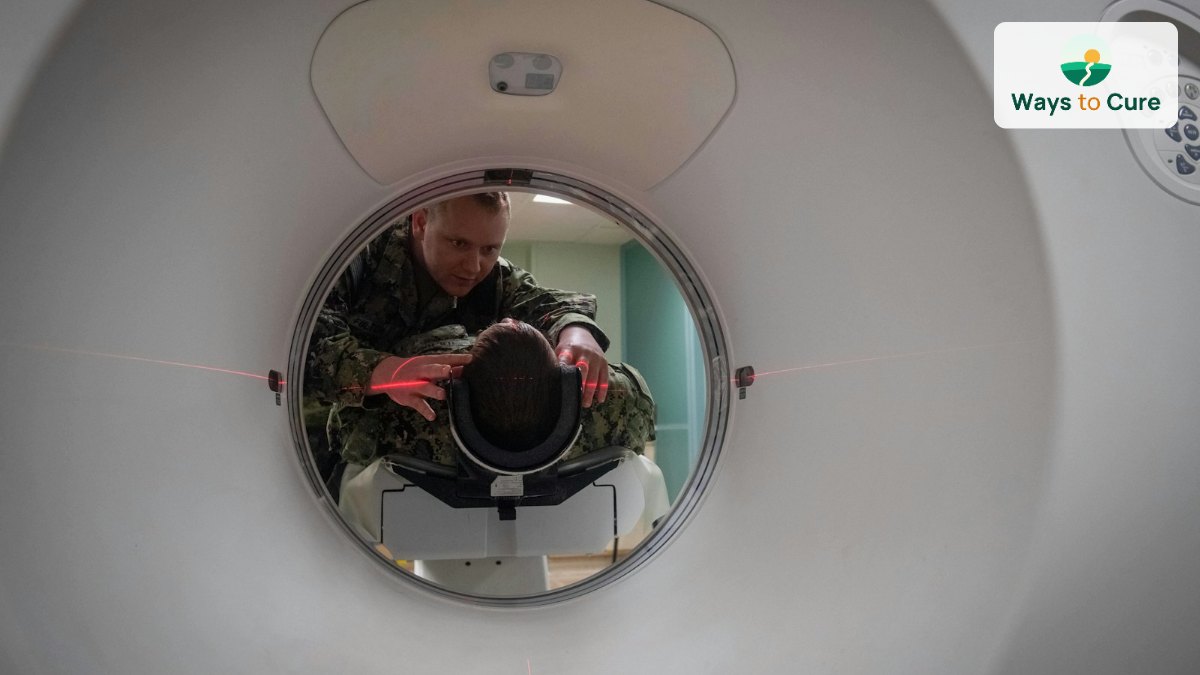
Some people with a large clot in a major artery can also have it pulled out through a thin tube (thrombectomy). This is only done at bigger centres with a cath lab and trained teams, which is another reason to aim for the right hospital the first time.
What to do in the first hour: a checklist
- Call 112 straight away. In many states 108 also gets you a government ambulance. Say clearly, “I think this is a stroke.”
- Look at the clock. Note the exact time symptoms started, or the last time the person was seen normal. If they woke up with symptoms, the time they went to sleep counts. Doctors use this to decide which treatment is still possible.
- Don’t drive yourself. The CDC and NHS both advise against driving to hospital. Ambulance staff can start assessing on the way and alert the hospital.
- Keep them safe and still. Sit them up slightly or lay them on their side if they’re drowsy or vomiting. Loosen tight clothing.
- Nothing by mouth. No water, tea, food or tablets.
- Collect what the doctor will ask for. Their medicine list (especially blood thinners or diabetes medicine), recent reports, and a phone with the family’s numbers.
- Go with them. A family member who saw the symptoms start is the best witness the doctors will have.
Why not aspirin, water or a home remedy?
Many Indian families reach for an aspirin, a glass of water or an oil massage on the weak arm. Each costs time, and some can do harm.
Aspirin: A stroke can be caused by a clot or by bleeding inside the brain, and from the outside they look the same. Only a brain scan can tell them apart. A CT or MRI shows whether there’s bleeding (MedlinePlus). Aspirin thins the blood, so giving it to someone who is bleeding into the brain can make things worse. Doctors do use aspirin for stroke, but in hospital, after they know which kind it is.
Water, food or medicine by mouth: Stroke can weaken the muscles used for swallowing. A sip of water can go into the lungs and cause choking or pneumonia. Wait until a doctor has checked swallowing.
Home remedies: No massage, oil, herbal drink, pressure point or needle prick (an old myth is pricking the fingertips) treats a stroke. They only delay the drip that actually can.
Go to a stroke-ready hospital, not the nearest clinic
The hospital you pick matters as much as how fast you leave. A small clinic or nursing home without a CT scanner will usually have to send you on somewhere else, and that transfer can eat up the treatment window.
A stroke-ready hospital should have:
- A CT scanner (or MRI) working 24 hours a day
- Emergency doctors and a neurologist available, in person or by tele-consult
- Clot-busting medicine in stock and staff trained to give it
- Ideally, a cath lab for thrombectomy
Here’s something useful you can do this week, before anyone needs it: find out which hospital near your home can treat stroke round the clock. Call and ask, “Do you do thrombolysis for stroke 24 hours a day?” Save that hospital’s name and number in your phone and on the fridge.
TIA, the “mini-stroke”: a warning you shouldn’t ignore
Sometimes the signs come and then fade within minutes. This is often a transient ischaemic attack (TIA). The NHS explains that a TIA is a short-lived interruption of blood supply to part of the brain, with effects that last a few minutes to a few hours and fully settle within 24 hours.
The danger is the relief. People feel fine, go back to work, and skip the doctor. But a TIA is a warning that a full stroke may follow soon. Treat it the same way:
- If symptoms are happening now, call 112, even if they seem to be easing.
- If they’ve already gone, still get seen urgently, the same day. The NHS says that even if symptoms vanish while you wait for the ambulance, you still need a hospital assessment.
- Typical TIA signs are the same as BE FAST: a few minutes of a numb hand, a drooping lip, garbled words, or a “curtain” coming down over one eye.
Stroke risk factors that are common in India
The same handful of conditions show up again and again in people who have strokes. According to the CDC:
- High blood pressure is a leading cause of stroke. It usually causes no symptoms, so the only way to know is to get it measured.
- Diabetes raises stroke risk, partly because high BP is so common in people with diabetes. Our guide to how glucose works in your body covers the basics of sugar control.
- Smoking (and that includes beedis) damages blood vessels and raises BP. Second-hand smoke counts too.
- Atrial fibrillation (AF), an irregular heartbeat, lets clots form in the heart that can travel to the brain. If your pulse feels irregular, or you get palpitations, get an ECG.
- Heart disease and a past stroke or TIA both raise the chance of another stroke.
If you’re over 30, a yearly BP check and a sugar test are cheap and easy at most pharmacies and primary health centres. If you’re already on BP or diabetes medicine, don’t stop it on your own because the numbers look good. That’s often why they look good. Heart symptoms deserve the same speed; see our post on telling gas pain from a heart attack.
Go to hospital immediately if…
- Any BE FAST sign appears suddenly, even one, even if it’s mild
- Symptoms came and went in the last 24 hours (a possible TIA)
- There’s a sudden, severe headache unlike any before, especially with vomiting, a stiff neck or drowsiness
- Someone is suddenly confused, can’t be woken properly, or has a seizure
- A person on blood thinners has any of these signs or a head injury
Slower, gradual changes in walking or memory over months are a different problem, but they still deserve a doctor’s visit. Our article on walking changes and early dementia explains what to watch for.
Frequently asked questions
What does BE FAST stand for?
Balance, Eyes, Face, Arms, Speech, Time. The first five are signs to check; Time means note when it started and call 112 immediately.
Can stroke symptoms go away on their own?
Yes, sometimes within minutes. That can be a TIA, and it’s still an emergency because a full stroke can follow. Get assessed the same day.
Should I give aspirin if I think someone is having a stroke?
No. Without a brain scan you can’t know if the stroke is a clot or a bleed, and aspirin can make bleeding worse. Let the hospital decide.
How long do doctors have to give clot-busting treatment?
The drip must be started within 4½ hours of symptom onset, and it works better the sooner it’s given. That’s why the time symptoms started matters so much.
Can young people have a stroke?
Yes. The World Stroke Organization says 16% of strokes happen in people under 50. Age is no reason to dismiss the signs.
This article is for general information and is not a substitute for advice from a doctor. If you have symptoms or a health condition, please consult a qualified healthcare professional.