
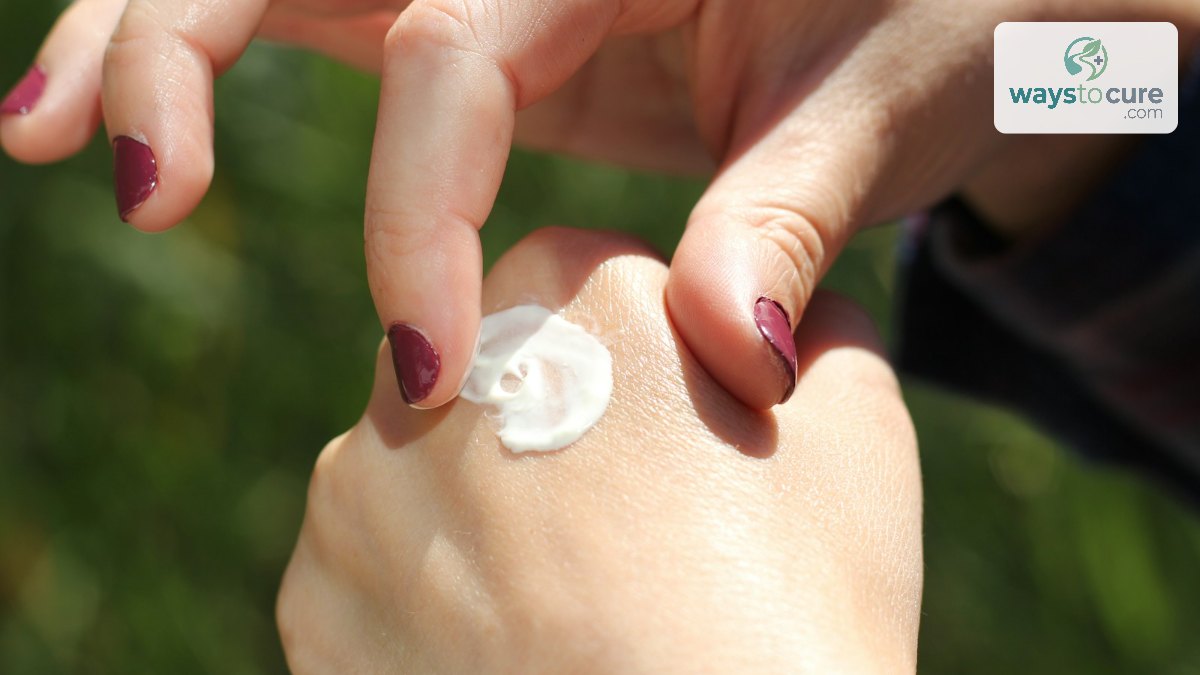
Plaque psoriasis can’t be cured yet, but it can usually be controlled well: moisturisers and medicated creams clear or calm mild patches, and light therapy, tablets or injections work for more severe disease. Psoriasis is an immune condition, not an infection, so you can’t catch it or pass it on.
This guide covers what sets off flares, which treatments are used at each level of severity, what you can safely do at home, and the two rare forms of psoriasis that need emergency care.
What plaque psoriasis is
In psoriasis, a problem with the immune system leads to a build-up of skin cells that forms thick, scaly patches. The US National Institute of Arthritis and Musculoskeletal and Skin Diseases describes it as an immune-mediated disease. The NHS says it is not contagious, and that you’re more likely to get it if a family member has it. It often starts between the ages of 15 and 25, or 50 and 60.
Plaque psoriasis is the most common type, affecting about 80 to 90% of people with psoriasis, according to the National Psoriasis Foundation (NPF). Plaques are raised, scaly, often itchy or sore patches. On lighter skin they look red with silvery-white scale. On brown skin, which describes most people in India, they can look darker, thicker, and purple, grey or brown. They’re most common on the scalp, elbows, knees and lower back or trunk, and often appear on both sides of the body.
Psoriasis can look like other skin problems. Scalp psoriasis is often mistaken for dandruff, and round scaly patches on the body can be confused with ringworm or eczema. Using an antifungal or steroid cream on the wrong condition can make things worse, so get a diagnosis first.
Common triggers
Psoriasis tends to come and go. MedlinePlus notes it often fades for long periods and then returns. Flares often follow a trigger. The NHS, NIAMS and MedlinePlus list:
- stress
- infections, especially strep throat
- smoking and drinking alcohol
- living with obesity
- skin injury: cuts, scratches, insect bites, sunburn
- dry air or dry skin, including winter weather
- certain medicines, including some antimalarials, beta-blockers (blood pressure and heart medicines) and lithium
Never stop a prescribed medicine because you suspect it’s affecting your skin. Tell the doctor who prescribed it; there’s often an alternative.
Treatments by severity
Treatment depends on how much skin is affected, where the patches are, and how much they affect your life. These are the main options listed by the NHS and MedlinePlus.
| Severity | Usual treatments | Things to know |
|---|---|---|
| Mild (a few patches) | Emollients (moisturisers); steroid creams, lotions or gels; vitamin D creams (vitamin D analogues); coal tar products, especially for the scalp | Used daily, often in combination. Steroid creams should be used exactly as prescribed: strength, area and number of weeks. |
| Moderate to severe, or not responding to creams | Phototherapy: controlled UVB or UVA light treatment | Given at a hospital or clinic under medical supervision, not the same as sunbathing. |
| Severe or widespread, or with joint disease | Tablets or injections that act on the whole body: methotrexate, ciclosporin, acitretin; biologic injections such as adalimumab and ustekinumab | Prescribed and monitored by a specialist. Tell your doctor if you’re pregnant or planning a pregnancy. |
A word on steroid creams. They’re an effective treatment when a doctor prescribes the right strength for the right place. According to DermNet, side effects such as skin thinning and stretch marks mainly come from using an unnecessarily strong steroid daily for months, and thin skin on the eyelids, genitals and skin creases absorbs more of it. That’s why “mixed” creams bought over the counter for any itchy rash are a bad idea. If a cream works at first and then stops working, or your skin becomes thin, see your doctor rather than switching to a stronger one yourself.
Psoriatic arthritis and heart health
Psoriasis isn’t only skin-deep. Roughly 1 in 3 people with psoriasis also have psoriatic arthritis, according to the NPF. Watch for:
- joint pain, swelling or stiffness, especially in the morning or after resting
- a whole finger or toe swelling up like a sausage
- heel or foot pain where tendons attach to bone
- pitted nails or nails lifting off the nail bed
- low back pain
The NPF says early diagnosis and treatment may help prevent permanent joint damage, and joint symptoms don’t always match how bad your skin is. Mention any joint pain to your doctor even if your skin is clear.
People with psoriasis also have a higher risk of heart disease and stroke, according to NIAMS and MedlinePlus. That makes the usual heart checks worth doing: blood pressure, blood sugar, cholesterol and weight, along with not smoking.
Safe self-care at home
Home care supports your prescribed treatment. It doesn’t replace it.
- Moisturise every day. The American Academy of Dermatology (AAD) suggests a lotion in the day and a thicker cream or ointment at bedtime. Your doctor or pharmacist can suggest a plain emollient.
- Don’t scratch or pick at scale. The AAD says scratching tends to worsen psoriasis. A cold compress can ease itching.
- Protect your skin from injury. Cuts, scrapes and insect bites can trigger new patches, so be careful with shaving, threading and waxing near affected areas.
- Get sun carefully, and never burn. The AAD warns that even mild sunburn can worsen psoriasis and cause new patches. Medical phototherapy is measured and supervised; sunbathing isn’t the same. Ask your dermatologist before using the sun as treatment, and avoid the harsh midday sun.
- Don’t put undiluted oils on your skin. Essential oils such as tea tree, camphor or eucalyptus, and raw garlic or lemon pastes, can irritate skin. The AAD notes that anything that irritates the skin can make psoriasis flare, even while you’re on treatment. If you like coconut oil as a moisturiser, test a small area first.
- Stop smoking and cut back on alcohol, both of which are listed triggers. If you take tablets for psoriasis, ask your doctor how much alcohol, if any, is safe with them.
- Treat infections promptly, especially sore throats, since strep infections are a known trigger.
Myths about diet and “cures”
No diet, juice, detox or supplement has been shown to cure psoriasis, whatever a product label or video says. A review by the NPF’s medical board in JAMA Dermatology found:
- losing weight through a lower-calorie diet is strongly recommended for people with psoriasis who are overweight or obese
- a gluten-free diet is only suggested for people who test positive for gluten sensitivity, not for everyone
- diet changes should be used alongside medical treatment, not instead of it
Be wary of any clinic or product that promises permanent cure, asks you to stop prescribed medicines, or sells powders and pastes without a full ingredient list. Similar myths surround other visible skin conditions; see our piece on vitiligo myths.
Psoriasis and mental health
Visible patches can affect confidence, relationships and work, and NIAMS notes that anxiety and depression are more common in people with psoriasis. This is a real part of the condition and worth mentioning to your doctor, who can treat it alongside your skin. In India, you can call Tele-MANAS on 14416 for free, confidential mental health support. If you ever have thoughts of harming yourself, call 112.
Go to hospital if you notice these signs
Two rare forms of psoriasis can be dangerous. Erythrodermic psoriasis affects about 2% of people with psoriasis, and the NPF calls it a medical emergency. Pustular psoriasis can also make you very unwell. The NHS and NPF advise emergency care (call 112 or go to an emergency department) if:
- red or darkened, peeling skin spreads over most of your body, or skin comes off in sheets or looks burned
- your skin quickly turns red and fills with small white, pus-filled bumps that join together
- patches on your feet turn yellow-brown and fill with pus, or the tips of fingers or toes develop red, scaly, pus-filled bumps
- any of these come with a racing heartbeat, high temperature, chills or feeling shivery, or severe itching and pain
The NPF lists starting or stopping medicines (including steroid tablets), infections, severe sunburn, stress and alcohol among the triggers for erythrodermic psoriasis, which is one more reason not to stop treatment without advice.
When to see a dermatologist
See a doctor, ideally a dermatologist, if:
- you think you have psoriasis and haven’t had it diagnosed
- your treatment isn’t working or causes side effects such as thinning skin
- patches cover a large area, or affect your face, scalp, palms, soles, nails or genitals
- you have joint pain, stiffness or swelling that keeps coming back
- psoriasis is affecting your sleep, work or mood
- you’re pregnant or planning a pregnancy and use any psoriasis medicine
Frequently asked questions
Is psoriasis contagious?
No. It’s an immune condition, so you can’t catch it by touching someone’s skin, sharing towels or swimming in the same pool.
Can plaque psoriasis go away permanently?
There’s no permanent cure yet. Patches can clear completely with treatment, and psoriasis can stay quiet for long periods, but it can return, often after a trigger.
Is coconut oil good for psoriasis?
Plain coconut oil can work as a moisturiser for some people. It doesn’t treat the underlying inflammation, so use it alongside your prescribed creams, not in place of them, and stop if it irritates your skin.
Can I use a steroid cream from the chemist?
Only use steroid creams as prescribed. Strength, where you apply it and for how long all matter, and using a strong steroid daily for months can thin the skin.
Will sunlight help my psoriasis?
Supervised light therapy is a proven treatment, but sunburn makes psoriasis worse. Ask your dermatologist before using sun exposure, especially if your medicines make your skin sensitive to light.
This article is for general information and is not a substitute for advice from a doctor. If you have symptoms or a health condition, please consult a qualified healthcare professional.

I’m not that much of a internet reader to be honest but your blogs really nice,
keep it up! I’ll go ahead and bookmark your website to come
back later on. All the best
Very interesting topic, thankyou for posting.
Usually posts some really exciting stuff like this. If youre new to this site.
I seriously love your blog.. Excellent colors & theme.
Did you make this amazing site yourself? Please reply back
as I’m trying to create my very own website and want to learn where you got
this from or just what the theme is named. Cheers!
That could be the finish of this post. Right here youll obtain some web-sites that we think youll appreciate, just click the links.