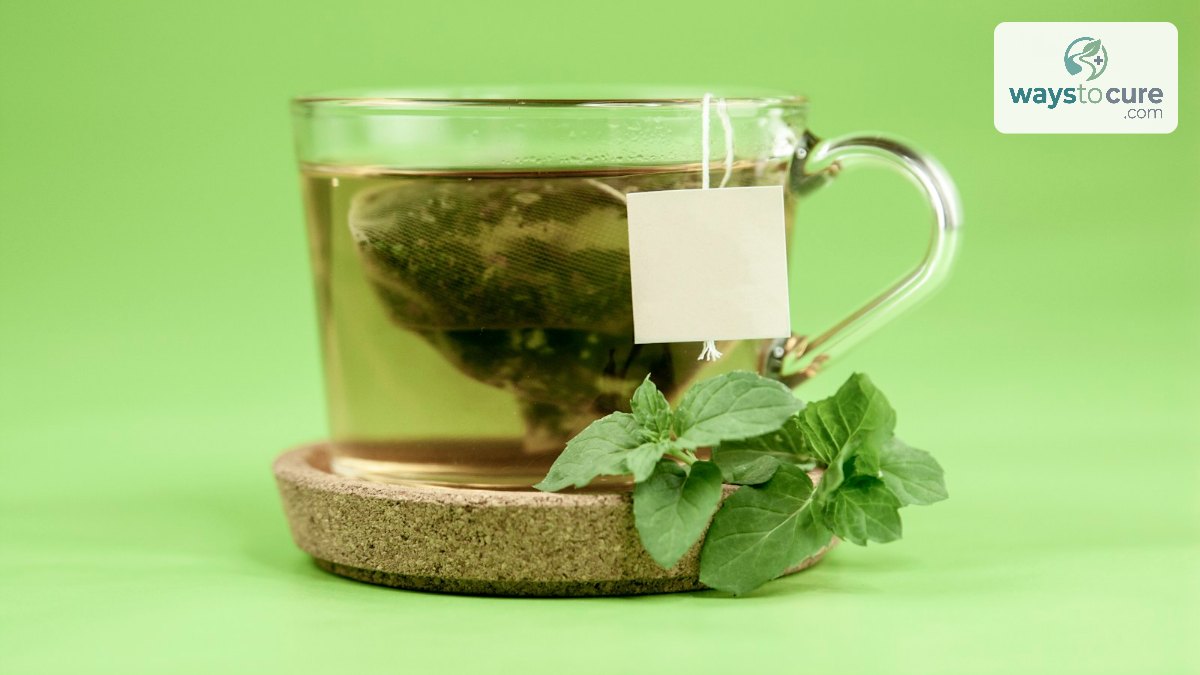
Boldo tea is a traditional South American remedy for indigestion, but there are no studies in patients showing that it works, and it carries real safety concerns, including reported liver injury. If you choose to try it, an adult should use it only for short spells (no more than about 2 weeks), never use boldo essential oil, and avoid it completely with liver or gallbladder problems, in pregnancy, while breastfeeding, in children, or if you take warfarin.
Older articles online praise boldo for “detox”, weight loss and “cleansing the liver”. None of that is backed by evidence. Here’s what is actually known.
What is boldo?
Boldo (Peumus boldus) is an evergreen shrub or small tree native to Chile. Its dried leaves are steeped in hot water to make a slightly bitter, aromatic tea, which is popular in Chile and Brazil. In India it isn’t a traditional herb; you’ll mostly find it as imported tea bags, loose leaf or capsules sold online.
The leaves contain several active substances. The two that matter most for this article are:
- Boldine, an alkaloid that has been studied in the laboratory for effects on bile flow.
- Ascaridole, a compound in the leaf’s essential (volatile) oil, which is toxic.
What is boldo traditionally used for?
Boldo’s long-standing use is for digestive complaints: a heavy, full feeling after meals, bloating, mild stomach cramps and “sluggish” digestion. It has also been used as a bile-flow stimulant and, in folk medicine, for gallbladder and liver complaints, which, as you’ll see below, is exactly where it can be riskiest.
What does the evidence say?
Very little. The European Medicines Agency’s herbal committee (HMPC) has a monograph on boldo leaf. It accepts boldo leaf tea and water-based dry extracts as a traditional herbal medicine for relief of indigestion (dyspepsia) and mild gut spasms. That status is based on long use (at least 30 years, including 15 in the EU), not on clinical trials.
The EMA is clear on the gaps:
- No studies in patients have been carried out with boldo leaf.
- Laboratory studies show boldine can increase bile production, but that hasn’t been shown to relieve symptoms in people.
- It is for adults only.
- If symptoms last longer than 2 weeks or get worse, you should see a doctor.
Claims that boldo “detoxes” the liver, melts fat, treats gallstones, or protects against cancer come from lab and animal studies or from marketing, not from human evidence. Lab results on boldine don’t tell you what a cup of tea does inside your body. For more on why detox claims don’t hold up, see our article on herbal detoxes.
Safety concerns you should know about
Ascaridole and the essential oil
Boldo’s essential oil contains ascaridole. A 2019 study in Molecules found 9.1% ascaridole in a sample of boldo oil and noted that ascaridole is “rather toxic” in mammals, so ascaridole-rich oils should be handled with care. The breastfeeding drug database e-lactancia describes ascaridole as toxic and highly irritating, and lists hallucinations, behaviour changes, a fast heartbeat and liver toxicity among effects reported after boldo infusions.
Never swallow boldo essential oil or put it on your skin, and don’t buy “boldo oil” drops sold as a digestive aid.
Liver injury
Boldo is promoted as good for the liver, yet there are published reports of liver damage after drinking it:
- A 2017 case report in the Journal of Dietary Supplements described a 72-year-old woman who developed jaundice and raised liver enzymes after two weeks of repeatedly drinking boldo leaf infusions. Other causes were ruled out, boldo was judged the probable cause, and she recovered after stopping it.
- A 2020 case report in the European Journal of Case Reports in Internal Medicine described an 87-year-old man with jaundice after a month of boldo infusions. He recovered completely within a week of stopping.
These are single case reports, so they can’t tell us how often this happens. But the authors of the 2017 report suggest boldo should be considered as a possible cause of unexplained jaundice, especially in older people with bile duct problems. Read more about supporting liver health through food, which is a safer approach.
Interaction with warfarin
A 2001 report in Pharmacotherapy described a woman on warfarin for atrial fibrillation whose INR (the blood test that measures warfarin’s effect) rose while she took boldo with fenugreek. It returned to normal about a week after she stopped, and rose again when she restarted. It’s one case and fenugreek was also involved, but if you take warfarin or another blood thinner, don’t add boldo.
Who should avoid boldo tea
| Who | Why |
|---|---|
| People with liver disease, bile duct blockage, cholangitis, gallstones or other bile duct problems | The EMA says boldo leaf must not be used in these conditions. |
| Children and teenagers under 18 | The EMA says boldo leaf medicines are for adults only. |
| Pregnant women | There’s no safety data. A 2012 Brazilian review found boldo among the plants most often used by pregnant women attending public prenatal clinics to try to bring on a period or end a pregnancy. |
| Breastfeeding mothers | e-lactancia rates it as limited compatibility because of its toxicity, and suggests avoiding it or using it only very occasionally. |
| People on warfarin or other blood thinners | Reported rise in INR (see above). |
| Anyone allergic to boldo | The EMA notes allergic reactions have been reported. |
If you take any regular medicine, or are older, check with your doctor or pharmacist before trying it.
If you still want to try it
- Use plain leaf tea or a product made from the leaf with water, not alcohol-based tinctures or the essential oil.
- Follow the product label’s dose. Don’t make it stronger or drink it all day.
- Stop after 2 weeks at most. If your indigestion is still there, see a doctor.
- Stop straight away and get your liver checked if you notice yellow eyes or skin, dark urine, pale stools, itching, nausea or pain under the right ribs.
- Don’t combine it with other herbal “liver cleanses” or “detox” blends.
Safer options for indigestion
For everyday indigestion, the NHS recommends simple steps that carry far less risk than boldo:
- Cut down on tea, coffee, cola and alcohol.
- Avoid rich, spicy or fatty foods, so go easy on fried snacks, heavy gravies and late-night biryani.
- Don’t eat in the 3 to 4 hours before bed.
- Raise your head and shoulders in bed if acid comes up at night.
- Lose weight if you’re overweight, and stop smoking.
- Avoid ibuprofen and aspirin unless prescribed, as they can make indigestion worse.
- Ask a pharmacist about antacids or alginates, which are well tested for short-term relief.
Small habit changes after meals also help; see our tips on post-dinner habits for better digestion, and for cramp-type pain, our guide to mild stomach pain and when to see a doctor.
When to see a doctor
See a doctor rather than trying more home remedies if you have:
- indigestion that keeps coming back, or lasts longer than 2 weeks
- severe stomach pain
- weight loss you can’t explain
- difficulty swallowing, or food sticking
- repeated vomiting
- blood in your vomit, or black or bloody stools
- a feeling of a lump in your stomach, or iron deficiency anaemia
- yellow eyes or skin, dark urine or pale stools, especially after taking any herbal product
The NHS lists most of these as signs that indigestion could be something more serious. Call 112 or go to hospital straight away for vomiting blood, severe pain that doesn’t settle, or chest pain that spreads to the arm, jaw or back, as that can be a heart attack rather than indigestion. Take any herbal products you’ve been using with you so the doctor can see the label.
Frequently asked questions
Is boldo tea good for the liver?
There’s no evidence it protects the liver in people, and there are case reports of liver injury after drinking it. People with liver or gallbladder disease shouldn’t take it at all.
Can boldo tea help with weight loss or detox?
No. There are no human studies showing either. Your liver and kidneys clear waste without help from a detox tea.
How long can I drink boldo tea?
The EMA’s traditional-use guidance is for adults only, and says to see a doctor if symptoms last more than 2 weeks. Treat it as a short-term option, not a daily drink.
Can I give boldo tea to my child for a stomach ache?
No. It isn’t recommended for anyone under 18. For a child’s tummy pain, offer fluids and rest, and see a doctor if pain is severe, persistent or comes with fever, vomiting or blood in the stool.
Is boldo safe with other medicines?
It has been linked to a rise in INR in a person taking warfarin. Check with your doctor or pharmacist before combining boldo with any regular medicine.
This article is for general information and is not a substitute for advice from a doctor. If you have symptoms or a health condition, please consult a qualified healthcare professional.