The swaps that make the biggest difference this Diwali are simple: roast or bake instead of deep-frying, put namkeen out in small katoris instead of open packets, and cut mithai into smaller pieces. Swapping sugar for jaggery, honey or dates isn’t one of them, because your body handles those as sugar too.
Diwali falls on Sunday, 8 November this year, and most of the extra salt, sugar and oil in festival week comes from snacking between meals rather than from the main thali. Here’s where to make changes that guests won’t mind.
Swaps that still taste festive
| Instead of | Try | Why it helps |
|---|---|---|
| Fried chakli, mathri or shakarpara | Baked or air-fried versions of the same recipe | Much less oil soaked into the dough |
| Fried namkeen mixture | Roasted makhana, roasted chana or dry-roasted peanuts with your own spices | You control the salt and the oil |
| Packaged bhujia straight from the packet | A small katori per person | Hard to keep track of how much you ate from an open packet |
| Kaju katli or barfi by the full piece | Pieces cut in half, or a thin slice | Same taste, half the sugar and fat |
| “Healthy” jaggery or date laddoos in large numbers | One small laddoo, or plain dates and nuts | Jaggery and date sweets still carry a lot of sugar |
| Cold drinks and sweetened lassi | Plain chaas, nimbu pani with little or no sugar, or water | Liquid sugar adds up fast and doesn’t fill you up |
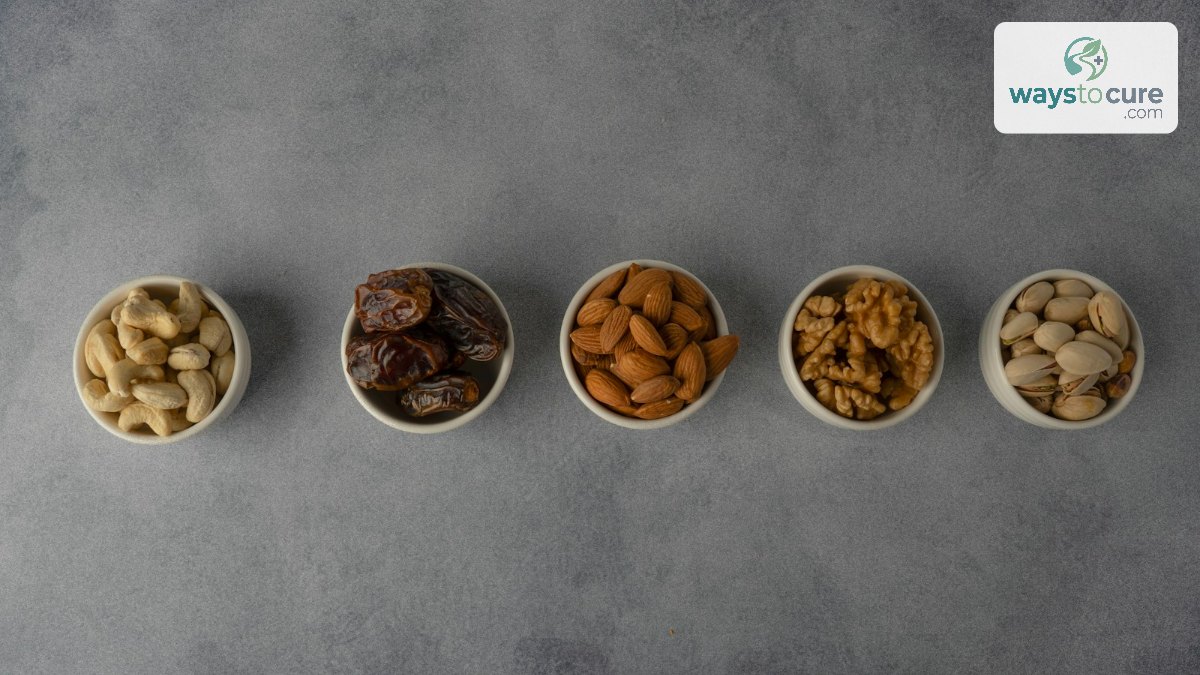
| Dry fruit by the handful | A small bowl of mixed nuts, dates and a few raisins, shared | Nuts are filling but high in calories |
Roasted makhana is a good base for a namkeen-style bowl: toss it with a teaspoon of ghee or oil, turmeric, chilli and a pinch of chaat masala. Our guide to who should and shouldn’t eat makhana covers the few people who need to be careful with it. For dry fruit, almonds are a sensible pick; see our piece on soaked almonds.
Is jaggery healthier than sugar?
Only slightly, and not in a way that matters for blood sugar or weight. A 2021 review in Sugar Tech describes solid jaggery as containing about 70 to 85 g of sucrose per 100 g, plus 7 to 10 g of glucose and fructose, with about 383 kcal per 100 g. In other words, it’s mostly sugar. It does carry some minerals (the same review lists 10 to 13 mg of iron per 100 g), but you’d need to eat a lot of sugar to get a useful amount.
The World Health Organization counts honey, syrups and fruit juices as “free sugars”, the kind it says should stay under 10% of your daily energy. For someone eating about 2,000 kcal a day, that’s roughly 50 g, or 12 teaspoons, and going under 5% may bring extra benefit. Sugar in whole fruit isn’t included.
So a gur laddoo or a date-and-nut barfi is a fine festive sweet, but it isn’t a “sugar-free” one. Make it smaller, not more often. If you or a guest has diabetes, our Diwali sweets portion guide for people with diabetes covers how to fit a piece into a meal and when to check sugar.
How much salt is in your namkeen?
The WHO advises adults to keep salt under 5 g a day, which is 2 g of sodium. Namkeen, chips, papad, pickles and chaat masala can take a big share of that before dinner even starts.
Indian packet labels usually give sodium, not salt. To convert, multiply sodium by 2.5. Here’s how a label works out:
- Label line: “Sodium 800 mg per 100 g” (this is an example, not a specific brand).
- A 50 g bowl gives 400 mg sodium.
- 400 mg x 2.5 = 1 g of salt, a fifth of the day’s limit from one bowl.
Ways to cut back without anyone noticing:
- Season roasted snacks with lemon, amchur, black pepper, roasted jeera and chilli first, then add salt at the end and taste.
- Mix half a packet of salted namkeen with an equal amount of unsalted roasted makhana, puffed rice or peanuts.
- Go easy on chaat masala and black salt. They’re still salt.
- Put out water and fruit alongside snacks so people aren’t only reaching for something salty.
Salt matters more than usual this time of year, because blood pressure tends to creep up in cold weather. Our article on why blood pressure rises in winter explains why.
Reused frying oil and trans fats
Every time oil is heated for deep-frying, it breaks down. Food regulators measure this as total polar compounds (TPC). Since 1 July 2018, FSSAI has required food businesses to keep TPC in frying oil within a limit of 25%; oil beyond that shouldn’t be used for frying.
Separately, FSSAI has capped industrial trans fat at 2% of the total fat in foods made with edible oils and fats, from 1 January 2022. The WHO recommends keeping trans fat below 1% of daily energy and avoiding industrially produced trans fat altogether.
Neither rule reaches your own kadhai, so at home:
- Fry the Diwali batch in fresh oil, and don’t keep topping up the same oil day after day.
- Throw out oil that has turned dark, thick or sticky, smells off, or smokes and foams quickly.
- Don’t pour used oil down the drain. Let it cool, then bin it in a sealed container.
- Buy fried sweets and namkeen from shops with a busy, high turnover, where the oil is more likely to be changed often.
- Ask whether sweets are fried in ghee, oil or vanaspati. If a shop can’t tell you, pick something else.
Checking festive sweets for adulteration
Demand for khoya, paneer and silver-leaf sweets peaks at Diwali, which makes it a good time to check what you buy. FSSAI’s DART (Detect Adulteration with Rapid Test) guide lists simple home checks. A few useful ones for this season:
- Starch in khoya, chhena or paneer: boil 2 to 3 ml of the sample with 5 ml of water, cool it, and add 2 to 3 drops of tincture of iodine. A blue colour suggests added starch.
- Silver leaf (vark) vs aluminium: real silver leaf crumbles to powder when rubbed between your fingers, while aluminium breaks into shreds. If burned, silver leaves a glistening ball and aluminium leaves grey ash.
- Chalk in sugar, powdered sugar or jaggery: dissolve 10 g in a glass of water. Chalk settles at the bottom.
- Starch in ghee: add 2 to 3 drops of iodine to half a teaspoon of ghee. Blue means added starches such as mashed potato.
These are screening tests, not lab results. A negative result doesn’t prove a sweet is pure.
Check the tray too. Since October 2020, FSSAI has required sweet shops to display a “best before” date on the container or tray of loose sweets. Milk sweets such as barfi, peda and rasgulla are perishable, so store them in the fridge and finish them before that date.
Portion ideas for guests and kids
- Use small plates and katoris. A thali piled with eight sweets invites people to take more than they want.
- Offer half pieces. Cut barfi, kaju katli and soan papdi into small squares so guests can try two without eating two whole pieces.
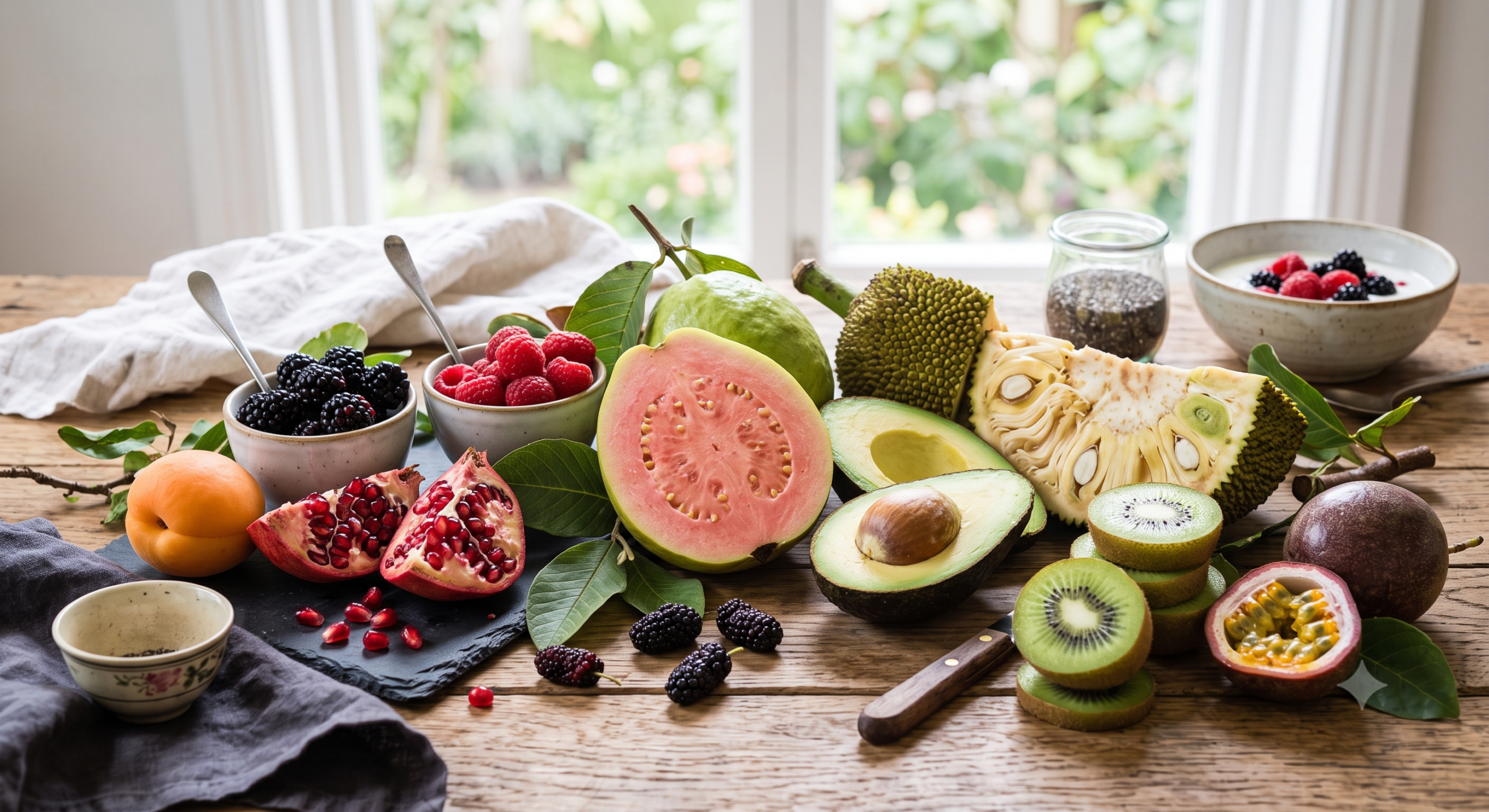
- Put out a fruit plate (guava, oranges, apple, pomegranate) next to the sweets. Whole fruit doesn’t count as free sugar.
- Keep whole nuts away from young children. The NHS advises against giving whole nuts to children under 5 because of the choking risk. Crushed or ground nuts mixed into food are fine.
- Go lighter on sugar and salt for toddlers. The NHS suggests avoiding foods and drinks with added sugar, including honey and juice, for children aged 4 and under, and not adding salt to babies’ food.
- Agree a plan with kids before relatives arrive, such as one sweet after lunch and one after dinner, rather than refusing everything and fighting about it all evening.
When to see a doctor
Milk sweets kept too long, or food left out at room temperature for hours, can cause food poisoning. Most mild cases settle with rest and fluids. According to the NHS, get medical advice urgently if:
- You can’t keep fluids down, or vomiting lasts more than 2 days.
- Diarrhoea lasts more than 7 days, or there’s blood in it.
- There are signs of dehydration (very little or dark urine, dizziness), especially in a child under 5 or an older adult.
Go to hospital or call 112 if there’s blood in vomit, green vomit, a sudden severe tummy ache, difficulty breathing, blue or grey lips, or confusion.
Also see your doctor if you have diabetes and your readings are running much higher than usual after the festival, or if you have high blood pressure and your home readings have climbed.
Frequently asked questions
Are baked snacks always healthier than fried ones?
Usually they carry much less oil, but a baked mathri made with plenty of ghee in the dough can still be rich. Look at the recipe as well as the cooking method.
Is jaggery okay for people with diabetes?
No more than sugar. Jaggery is mostly sucrose, so it raises blood sugar in much the same way. Count it as sugar.
How much dry fruit is a sensible portion?
A small handful, roughly what fits in a cupped palm, is a reasonable snack portion for most adults. Nuts are filling but high in calories, so it’s easy to overdo when a full bowl sits on the table.
Can I reuse frying oil from Diwali snacks?
Reusing it once or twice for similar food is common at home, but don’t keep topping it up, and discard it once it darkens, thickens, smells off or smokes easily.
How do I know if the silver leaf on my sweets is real?
Rub a bit between your fingers. Real silver crumbles to powder; aluminium tears into shreds. When burned, silver forms a shiny ball while aluminium turns to grey ash.
This article is for general information and is not a substitute for advice from a doctor. If you have symptoms or a health condition, please consult a qualified healthcare professional.