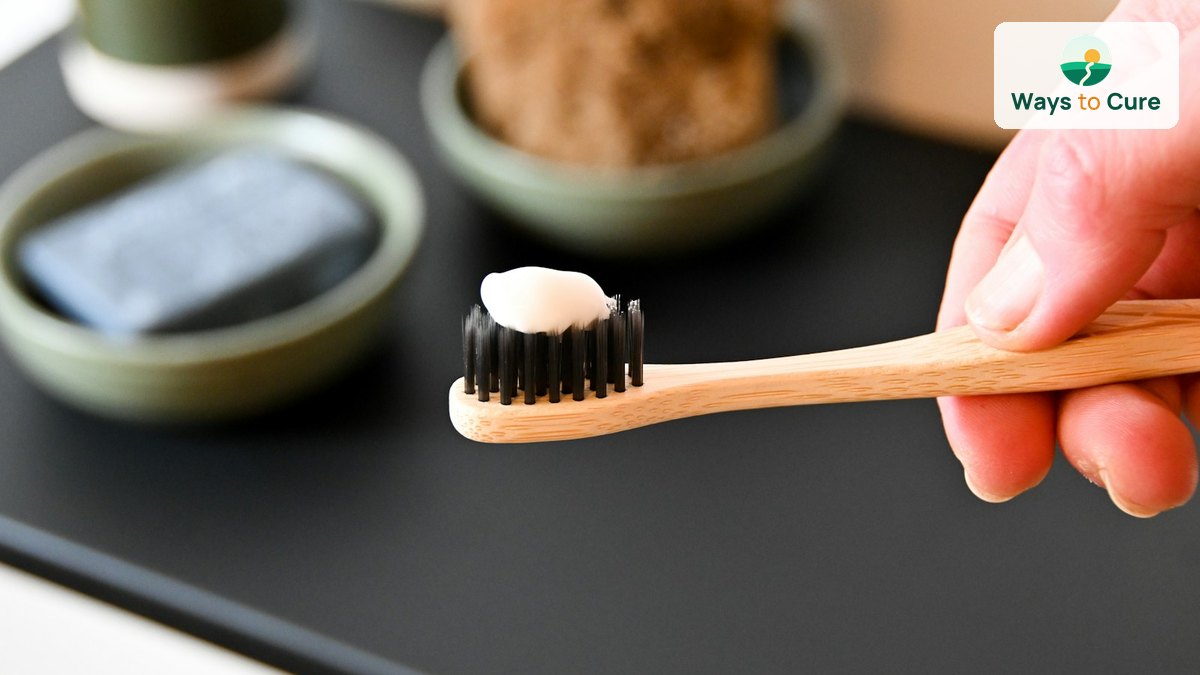
After a normal meal, you can brush whenever it suits you. The wait matters after acidic food or drink, such as orange juice, fizzy drinks, citrus fruit, wine or vinegar dressings: dental groups including the American Dental Association advise waiting about an hour before brushing, so your saliva can neutralise the acid and your enamel can re-harden.
That’s the short version. The longer version is that the research behind the one-hour rule is less settled than most articles suggest, and for many people the timing matters less than brushing twice a day with fluoride toothpaste. Here’s how to decide what to do at each meal.
Why acidic food changes the advice
Tooth enamel is hard, but acid softens its surface for a while. If you scrub that softened layer with a toothbrush and toothpaste straight away, you can wear more of it off than you would if you’d left it alone. Over years, that kind of wear is called dental erosion.
The ADA’s MouthHealthy site puts it simply: “Wait an hour before you brush after eating acidic foods.” The UK’s Oral Health Foundation gives the same advice, to wait at least one hour after eating or drinking before brushing, to give enamel time to harden again.
Which foods and drinks count as acidic
Between the ADA and the Oral Health Foundation, the common culprits are:
| Group | Examples | Wait before brushing? |
|---|---|---|
| Fizzy drinks | Cola, lemonade, tonic, diet and sugar-free versions too | Yes, about an hour |
| Fruit juices | Orange, apple, grapefruit, fresh lemonade | Yes |
| Sports and energy drinks | Most brands | Yes |
| Alcohol | Wine, cider | Yes |
| Fruit | Citrus fruits, berries, pineapple | Yes, if eaten on their own as a snack |
| Savoury | Tomatoes, vinegar, pickles, dressings | Yes, if they made up much of the meal |
| Sweets | Sour sweets and candies | Yes |
| Typical mixed meal | Rice and dal, a sandwich, porridge, eggs and toast, pasta | No need to wait |
Being acidic doesn’t make a food bad. Fruit and tomatoes are good for you. The point is to be a bit smarter about when you brush after having them.
What the research actually shows
Most studies on brushing and erosion are lab or “in situ” experiments, where small enamel samples are worn in the mouth on a dental appliance, exposed to acid and then brushed. No large trial has followed people’s real teeth for years to compare brushing straight away with waiting.
The results don’t all agree. A 2013 study in The Open Dentistry Journal sums up earlier work showing that waiting an hour reduced wear by only about 25 to 30%, and wear was still 7 to 10 times higher than in enamel that wasn’t brushed at all. In its own experiment, waiting an hour gave no protective effect, and the authors pointed out that using fluoride toothpaste mattered more.
So waiting probably helps a little, it’s unlikely to hurt, and it’s still what dental organisations recommend. But it isn’t a magic number. Cutting down how often your teeth meet acid, and using fluoride toothpaste, does more.
What about sticky and sugary foods?
Sugar is a different problem from acid. Bacteria in plaque turn sugar into acid, which causes cavities rather than erosion. The ADA notes that sticky foods such as raisins and other dried fruit cling to teeth, so the acid made by bacteria keeps working long after you’ve finished eating.
After sticky or sugary snacks, rinse with water straight away and brush at your next usual time. Our guide to sweets and children’s teeth has more on how often sugar hits the teeth, which matters more than the total amount.
What to do instead of brushing straight away
These steps are all recommended by the ADA or the Oral Health Foundation and cost almost nothing:
- Rinse your mouth with plain water after acidic food or drinks.
- Finish with a little milk or a piece of cheese, which helps neutralise acid.
- Chew sugar-free gum to increase saliva flow.
- Have acidic fruit and drinks with meals rather than sipping them throughout the day.
- Use a straw for fizzy drinks and juice, and swallow rather than holding drinks in your mouth.
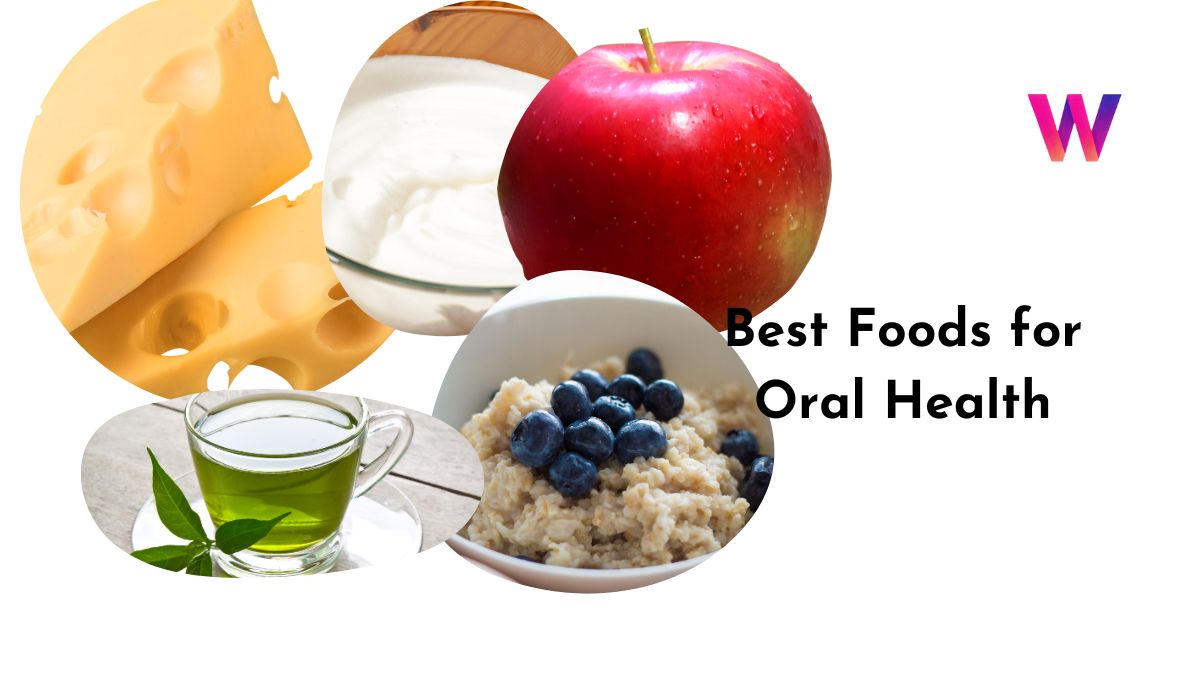
Some foods are also kinder to teeth than others. Our list of foods for oral health covers a few easy swaps.
Should you brush before or after breakfast?
If your breakfast includes orange juice, citrus fruit or a lot of fruit, brushing before you eat avoids the waiting problem altogether. Your teeth get a coat of fluoride first, and a rinse with water afterwards is enough.
If you’d rather brush after breakfast, that’s fine too, especially after a non-acidic meal like eggs, porridge or idli. Just leave about an hour if you had juice or fruit, or brush before you leave home and have the juice later.
The one brush you shouldn’t skip is the night-time one. The NHS advises brushing twice a day for about 2 minutes with fluoride toothpaste, with one of those times last thing before bed.
A simple brushing routine that protects enamel
- Brush twice a day for about 2 minutes, including last thing at night.
- Use a fluoride toothpaste. The NHS recommends at least 1,350 ppm fluoride for adults, and 1,350 to 1,500 ppm family toothpaste is fine for children (under-3s without tooth decay can use at least 1,000 ppm).
- Use a soft or medium brush and gentle pressure. Scrubbing hard doesn’t clean better.
- Spit out the toothpaste, but don’t rinse with water, so the fluoride stays on your teeth.
- If you use mouthwash, use it at a different time of day, such as after lunch, rather than straight after brushing. After a fluoride mouthwash, don’t eat or drink for 30 minutes.
- Clean between your teeth with floss or interdental brushes. The NHS says it’s best to do this before brushing.
Fluoride toothpaste strength is labelled in ppm (parts per million) in the UK, EU, India and Australia. In the US, look for the ADA Seal of Acceptance and fluoride in the active ingredients.
When to see a dentist
Book a dental check if you notice:
- Pain or sensitivity with hot, cold or sweet drinks that keeps coming back.
- Teeth that look more yellow, thinner or see-through at the edges.
- Fillings that look or feel different from before.
- Gums that bleed when you brush. Our article on bleeding gums explains what’s normal and what isn’t.
Also tell your dentist if you have frequent heartburn, acid reflux or regular vomiting, because stomach acid can wear enamel too. If you’re coming off a reflux medicine, our guide on stopping omeprazole without rebound acid may help.
See a dentist urgently, or call your local emergency number (911 in the US, 999 in the UK, 112 in the EU and India) if needed, for facial or jaw swelling that is spreading, swelling that makes it hard to swallow, breathe or open your mouth, or a toothache with a high temperature.
Frequently asked questions
Is it bad to brush your teeth right after eating?
After most meals, no. It’s only after acidic food or drinks, like juice, fizzy drinks or citrus fruit, that dental groups suggest waiting about an hour.
How long after drinking coffee can I brush my teeth?
Coffee isn’t one of the main acidic culprits on the ADA or Oral Health Foundation lists. Rinse with water afterwards and brush at your usual time. If you add sugar or sip it slowly over hours, rinsing matters more, because sugar feeds plaque bacteria.
Is 30 minutes long enough to wait?
Dental organisations advise an hour. The research doesn’t clearly show that an hour is much better than half an hour, so if you’re short on time, rinse with water, wait as long as you can and brush gently.
Can I use mouthwash right after eating?
A fluoride mouthwash between meals is fine. Just don’t eat or drink for 30 minutes afterwards, and don’t use it straight after brushing, because it rinses away the stronger fluoride in your toothpaste.
Should children wait to brush after eating?
The same rule applies after acidic drinks and fruit. For young children, the most useful habits are brushing twice a day with the right fluoride toothpaste and keeping sugary and acidic drinks to mealtimes.
This article is for general information and is not a substitute for advice from a doctor. If you have symptoms or a health condition, please consult a qualified healthcare professional.