You get goosebumps because tiny muscles at the base of your hairs contract when your fight-or-flight nervous system switches on, pulling each hair upright and pushing up a little bump of skin. Cold is the classic trigger, but fear, excitement and even a great piece of music can set them off too.
For furry animals, that reflex makes sense. For us, with our thin body hair, it’s long looked like a leftover. But research from Harvard suggests the same nerve-and-muscle setup behind goosebumps also helps control hair growth. Here’s what’s going on under your skin.
The short answer
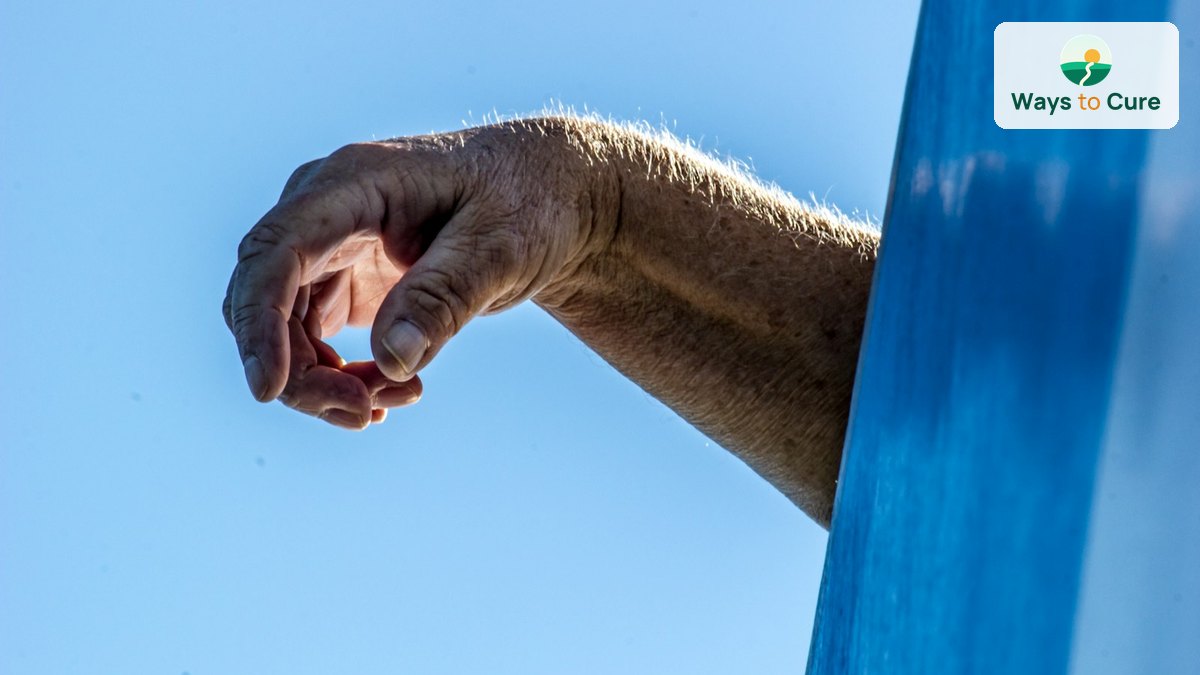
Goosebumps (the medical term is piloerection) are a reflex run by your sympathetic nervous system, the part that handles the “fight or flight” response. When it fires, a sliver of muscle attached to each hair follicle, called the arrector pili, tightens. The hair stands up, and the skin around it puckers into a bump.
According to Cleveland Clinic, common triggers include:
- cold air or cold water
- sudden fear or shock
- anger or excitement
- intimacy or sexual arousal
- moving music, films, speeches or ASMR (sometimes called “frisson”)
Why it happens, simply explained
Think of a cat puffing up its fur when it’s threatened. Raised fur makes an animal look bigger and traps a layer of warm air next to the skin. Both are useful if you’re covered in fur.
Humans kept the wiring but lost most of the fur. So when you’re cold, the system still fires, the tiny muscles still contract, and you get bumps with only a few fine hairs standing up. Cleveland Clinic notes that in humans the response seems to do little beyond possibly holding a bit of warmth near the skin.
The emotional version works the same way. Strong feelings trigger a burst of sympathetic nervous activity, and the same muscles respond, even though you’re not actually cold or in danger.
What the research says
Goosebumps and hair growth
In 2020, researchers led by Ya-Chieh Hsu at Harvard published a study in the journal Cell that offered a new angle. Working in mice, they found that the sympathetic nerve doesn’t only connect to the goosebump muscle. It also wraps around the stem cells that regrow hair, forming synapse-like contacts with them (Shwartz and colleagues, Cell, 2020).
As Harvard’s Department of Stem Cell and Regenerative Biology explained, short bursts of cold make the muscle contract and cause goosebumps. Longer cold exposure ramps up the nerve’s activity, which wakes the hair follicle stem cells and kicks off new hair growth. When the researchers removed the muscle, the nerve pulled back and lost its connection to the stem cells.
So goosebumps may be the visible side effect of a system that also helps grow a thicker coat when it’s cold. Two big caveats: this was done in mice, and it doesn’t mean sitting in the cold will regrow hair on your head.
Goosebumps from music
Not everyone gets chills from music, and researchers have tried to work out why. A small brain imaging study by Matthew Sachs, Psyche Loui and colleagues screened 237 people and compared 10 who regularly got music chills with 10 who never did (Social Cognitive and Affective Neuroscience, 2016). The chills group had stronger connections between hearing areas of the brain and regions involved in emotion and reward.
That’s an interesting clue, but 20 people is a very small sample. It doesn’t prove your brain is “special” if you get chills, despite some headlines at the time.
Myths vs facts
| Myth | Fact |
|---|---|
| Goosebumps are completely useless in humans | They’re far less useful than in furry animals, but mouse research links the same nerve and muscle to hair follicle stem cells and hair growth |
| Only cold gives you goosebumps | Fear, excitement, arousal and moving music or films can all trigger them |
| Getting chills from music means you have a special brain | One tiny study found differences in brain wiring; it’s far too small to draw big conclusions |
| Cold exposure can cure baldness | The hair growth findings come from mice and haven’t been shown to treat hair loss in people |
| Bumps that never go away are just stubborn goosebumps | Permanent rough bumps, often on the upper arms, are more likely keratosis pilaris, a harmless skin condition |
When goosebumps are a sign of something else
On their own, goosebumps are harmless. Cleveland Clinic says they’re nothing to worry about in themselves. But they can show up as part of a bigger picture:
- Keratosis pilaris. Rough, small, sometimes red bumps, often on the upper arms or thighs, caused by keratin plugging hair follicles. It’s often mistaken for goosebumps that won’t go away.
- Anxiety and panic attacks. Chills and goosebumps are common alongside a racing heart, sweating and a sense of dread.
- Withdrawal. Goosebumps can appear during withdrawal from opioids, alcohol, nicotine and other substances. MSD Manuals lists piloerection as one of four signs specific to opioid withdrawal.
- Seizures. Rarely, goosebumps happen just before or during a seizure, especially in left temporal lobe epilepsy.
- Autonomic dysreflexia. In people with a spinal cord injury, goosebumps can come with a sudden, dangerous spike in blood pressure. The bumps aren’t the danger; the blood pressure is.
- Fever chills. Shivering and goosebumps when you’re coming down with an infection are your body trying to raise its temperature. See our guide to flu symptoms this season for what else to watch for.
When to see a doctor
- You get goosebumps often, with no obvious trigger, and they keep happening.
- Goosebumps come with episodes of confusion, odd sensations or brief loss of awareness.
- You have chills along with anxiety symptoms that are affecting your daily life. A doctor or therapist can help.
- You’re cutting down on alcohol, opioids or other substances and feel unwell. Stopping some substances suddenly can be risky, so get medical support.
Get emergency help if someone with a spinal cord injury suddenly develops goosebumps with sweating or feels unwell, as this can signal a dangerous rise in blood pressure. Call your local emergency number (911 in the US, 999 in the UK, 112 in the EU and India).
If anxiety feels overwhelming or you’re in crisis, you can call or text 988 in the US, call Samaritans on 116 123 in the UK, or call Tele-MANAS on 14416 in India.
If you’re curious about other everyday body quirks, see our explainers on whether cracking your knuckles causes arthritis, why your hands and feet go cold in winter, and how much hair loss a day is normal.
Frequently asked questions
Why do I get goosebumps when I’m not cold?
Because the same nervous system response is triggered by emotions. Fear, awe, excitement and moving music can all switch on the fight-or-flight system, which tightens the tiny muscles around your hairs.
Can you get goosebumps on your face or head?
You can get them anywhere there are hair follicles with these little muscles. They’re most noticeable on the arms, legs and back of the neck.
Do goosebumps actually keep you warm?
Barely, in humans. Raised fur traps warm air for animals, but our body hair is too thin to do much. Shivering does far more to warm you up.
Why do some people never get chills from music?
No one knows for sure. Early research suggests differences in how the brain’s hearing and emotion areas are connected, but the studies are small.
Are goosebumps ever dangerous?
The bumps themselves aren’t. They matter only when they come with other symptoms, such as signs of withdrawal, a seizure, or a blood pressure surge after a spinal cord injury.
This article is for general information and is not a substitute for advice from a doctor. If you have symptoms or a health condition, please consult a qualified healthcare professional.