Most sinusitis is caused by a virus and gets better on its own, so the main treatment is home care: salt-water rinses, painkillers, rest and fluids, with a decongestant spray for a few days at most. Antibiotics only help when a bacterial infection is likely, which usually means symptoms that haven’t improved at all after 10 days, or that got better and then clearly worse again.
Below: how to tell which kind you probably have, how to do each home treatment safely, and the warning signs that mean hospital, not waiting.
What sinusitis feels like
Your sinuses are air spaces behind your cheeks, forehead and around your eyes. When their lining swells, mucus can’t drain and pressure builds. According to the NHS, the main symptoms are:
- pain, swelling or tenderness around the cheeks, eyes or forehead
- a blocked or runny nose, often with green or yellow mucus
- a reduced sense of smell
- a high temperature
- headache, toothache, bad breath, cough or a feeling of pressure in the ears
Green or yellow mucus on its own doesn’t prove a bacterial infection; viral sinusitis can produce it too.
Acute or chronic: how long has it lasted?
Doctors classify sinusitis by how long symptoms last. The definitions below come from the American Academy of Otolaryngology’s patient site ENThealth and from Cleveland Clinic.
| Type | How long symptoms last | What it usually means |
|---|---|---|
| Acute | Up to 4 weeks | Usually follows a cold; most cases are viral and settle without antibiotics |
| Subacute | 4 to 12 weeks | Slow to clear; worth a doctor’s review |
| Chronic | 12 weeks or longer | Ongoing inflammation, often linked to allergies, nasal polyps or a structural problem; needs a doctor, often an ENT specialist |
The NHS says sinusitis usually clears up on its own within 4 weeks. If yours keeps coming back, or is still there after 3 months of treatment, your GP may refer you to an ENT specialist.
Viral or bacterial: the 10-day rule
The CDC says viruses cause most sinus infections, though bacteria cause some. You can’t tell them apart from the colour of your mucus. Timing is the better clue. ENThealth puts it this way:
- Probably viral: you’ve been ill for less than 10 days and you’re not getting worse.
- Probably bacterial: you haven’t improved at all within 10 days of getting sick, or you started to get better and then got worse again within those 10 days (doctors call this “double worsening”).
So a blocked nose on day 4 with thick mucus is still most likely a virus. A cold that was easing on day 6 and then flared up with fresh facial pain and fever on day 8 is a different story, and worth showing to a doctor.
Home treatment that helps
The NHS advice for sinusitis you’re managing yourself is simple: rest, drink plenty of fluids, take painkillers, avoid things you’re allergic to, and don’t smoke. Here’s how to get the most out of each step.
Salt-water nasal rinses
Rinsing washes out mucus and irritants. The NHS recipe: boil about 570ml (roughly a pint) of water, let it cool, then mix in 1 teaspoon of salt and 1 teaspoon of bicarbonate of soda (baking soda). Rinse up to 3 times a day. Pharmacies also sell ready-made sachets and squeeze bottles.
The water you use matters. Tap water, well water or water from an RO purifier isn’t sterile, and in rare cases it can contain Naegleria fowleri, an amoeba that causes a brain infection when water carrying it goes up the nose. According to the CDC, more than 97% of people with this infection have died (drinking such water doesn’t cause it). The CDC advises using water labelled distilled or sterile, or tap water brought to a rolling boil for 1 minute and then cooled. Keep any unused boiled water in a clean container with a tight lid. If you get a headache, fever, confusion or vomiting after rinsing, the CDC says to get medical care straight away.
Never use water straight from the tap, a tank or a matka for rinsing, and don’t share your rinse bottle. Rinse and dry it after each use.
Steam and warm compresses
The CDC suggests breathing in steam from a bowl of hot water or a shower, and holding a warm compress over your nose and forehead. Both can ease the stuffy, pressured feeling for a while; they don’t kill the virus. Take care with steam bowls: let boiling water stand for a minute or two, keep your face a comfortable distance away, and never leave a bowl of hot water where a child can knock it over. A hot shower is the safer choice for children.
Painkillers
Paracetamol or ibuprofen can ease facial pain, headache and fever. Don’t give aspirin to anyone under 16. Check with a pharmacist before taking ibuprofen if you have a stomach ulcer, asthma, kidney or heart problems, or you’re pregnant.
Decongestant sprays: 3 days, not 3 weeks
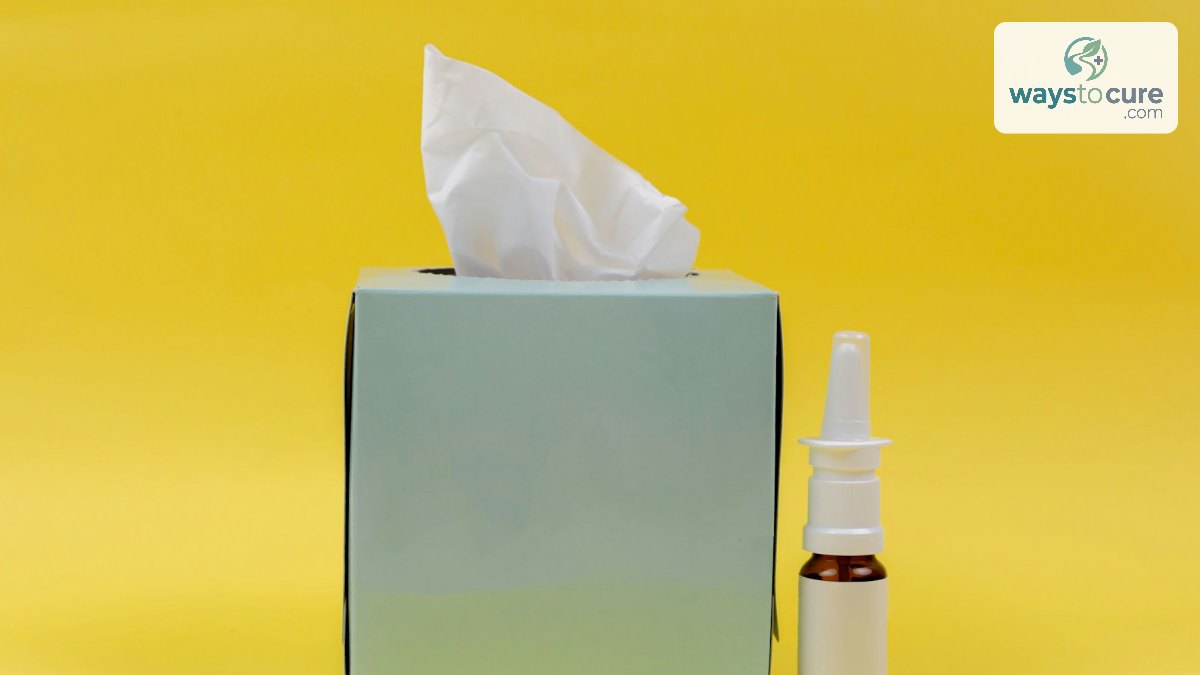
Sprays containing oxymetazoline or xylometazoline unblock the nose fast, which is exactly why people overuse them. MedlinePlus says not to use oxymetazoline spray for longer than 3 days, warning that longer use can make congestion worse or make it come back. The NHS sets an outer limit of 5 days. This is often called rebound congestion, and it can trap people in a cycle of spraying more to get relief.
Don’t use decongestants if you’re pregnant, and talk to a doctor or pharmacist first if you have high blood pressure, heart disease, diabetes, glaucoma, thyroid problems or an enlarged prostate. MedlinePlus says oxymetazoline shouldn’t be used in children under 6 unless a doctor recommends it.
Steroid nasal sprays
Steroid sprays work more slowly but calm the swelling itself. They’re mainly used when sinusitis keeps returning, lasts a long time or is driven by allergies; the NHS notes you may need to use one for a few months. That’s very different from decongestant sprays, which are for a few days only. Ask your doctor which one suits you, especially for children.
When antibiotics help (and when they don’t)
Antibiotics do nothing against viruses. The CDC points out that taking them when you don’t need them won’t help and can still cause harm, including side effects and a serious gut infection called C. diff. If a chemist will sell you a strip without a prescription, it’s tempting to start a course “just in case”. Please don’t.
A doctor may consider antibiotics if:
- symptoms have lasted more than 10 days without getting better
- you got better and then worse again
- you have severe symptoms, such as a severe headache or facial pain
- you’ve had a fever for longer than 3 to 4 days
Even then, the CDC notes that doctors often suggest “watchful waiting” for 2 to 3 days, or give a prescription to fill only if you’re not improving. Many people recover without needing it. If you are prescribed an antibiotic, finish the course as directed.
Allergies, dust and smoke as triggers in India
Swollen nasal lining is what blocks the sinuses, and allergies are a common cause of that swelling. Cleveland Clinic lists nasal allergies as a risk factor for sinusitis and names dust, pollen and smoke as triggers to avoid. In many Indian cities, that list describes October to January: crop-burning smoke, firecracker smoke around Diwali, construction dust and smog.
Practical steps that may cut down repeat attacks:
- Keep windows closed on high-pollution days and wear a well-fitting mask outdoors.
- Wet-mop rather than sweep, so you don’t stir dust back into the air.
- Avoid smoking and second-hand smoke, including incense and mosquito coils in closed rooms.
- If you sneeze and itch every season, see a doctor about allergic rhinitis. Treating it (often with a steroid spray or antihistamine) can reduce sinus flare-ups.
Many people confuse sinus pressure with other headaches. If your “sinus headache” comes with nausea or light sensitivity and no blocked nose, read our guide on ways to deal with migraine. And if a cough is lingering after the cold, see cough types and home remedies.
Go to hospital if you notice these signs
Rarely, a sinus infection spreads to the eye socket, bone or brain. Cleveland Clinic and the CDC list signs that need urgent care. Go to an emergency department, or call 112, if you have sinus symptoms with:
- swelling, redness or pain around one or both eyes
- double vision, blurred vision or any change in eyesight
- a severe headache
- confusion or any other change in mental state
- a stiff neck
- a high fever of 103°F (about 39.4°C) or more
- a seizure
When to see a doctor
Book a regular appointment if:
- you haven’t improved after 10 days, or you got better then worse again
- you’ve had a fever for more than 3 to 4 days
- painkillers aren’t helping
- you have a weakened immune system, for example from chemotherapy
- you’ve had several sinus infections in the past year, or symptoms have lasted 12 weeks or more
- a child has symptoms; for children, check with a doctor before using any decongestant, and always get medical advice for a child under 5
Sinusitis often starts as a cold or flu. For prevention during the season, see how to protect yourself during flu season, and if you have a high fever with body aches, read about early H1N1 warning signs.
Frequently asked questions
How long does sinusitis last?
Acute sinusitis usually clears within 4 weeks without antibiotics. Symptoms lasting 12 weeks or more count as chronic sinusitis and need a doctor’s review.
Can I use RO or filtered water for a nasal rinse?
Not without boiling it first. Use distilled or sterile water, or tap water boiled for 1 minute and cooled. This avoids the small but serious risk of amoeba infection through the nose.
Does green or yellow mucus mean I need antibiotics?
No. Coloured mucus is common in viral sinusitis. The timing of your symptoms (no improvement after 10 days, or worsening after improving) is a better guide than the colour.
Why does my nose get more blocked after using a nasal spray?
Decongestant sprays used for more than a few days can cause rebound congestion. Stop the spray, use saline rinses instead, and ask a doctor about a steroid spray if the blockage persists.
Is steam inhalation safe for children?
Bowls of hot water are a real scald risk for young children. Sitting with them in a steamy bathroom is safer. For any child with sinus symptoms and a fever, check with a doctor.
This article is for general information and is not a substitute for advice from a doctor. If you have symptoms or a health condition, please consult a qualified healthcare professional.