Aluminum foil is one of the most common items in kitchens worldwide. It is used to wrap leftovers, line baking trays, and even cook food directly on grills or in ovens. Its convenience and versatility make it a go‑to choice for many households. Yet, recent studies have raised concerns about how aluminum foil interacts with certain foods, especially when heat and acidity are involved. This article explores the science behind aluminum leaching, the potential health implications, and practical alternatives for safer cooking.
Table of Contents
Why Aluminum Foil Became a Kitchen Staple?
Aluminum foil gained popularity because of its lightweight design and ability to withstand high temperatures. It keeps food moist, prevents spills, and makes cleanup easier. For decades, it has been considered harmless, and most people rarely question its safety. However, the way foil interacts with food depends on the type of ingredients and cooking methods used.
The Science of Aluminum Leaching
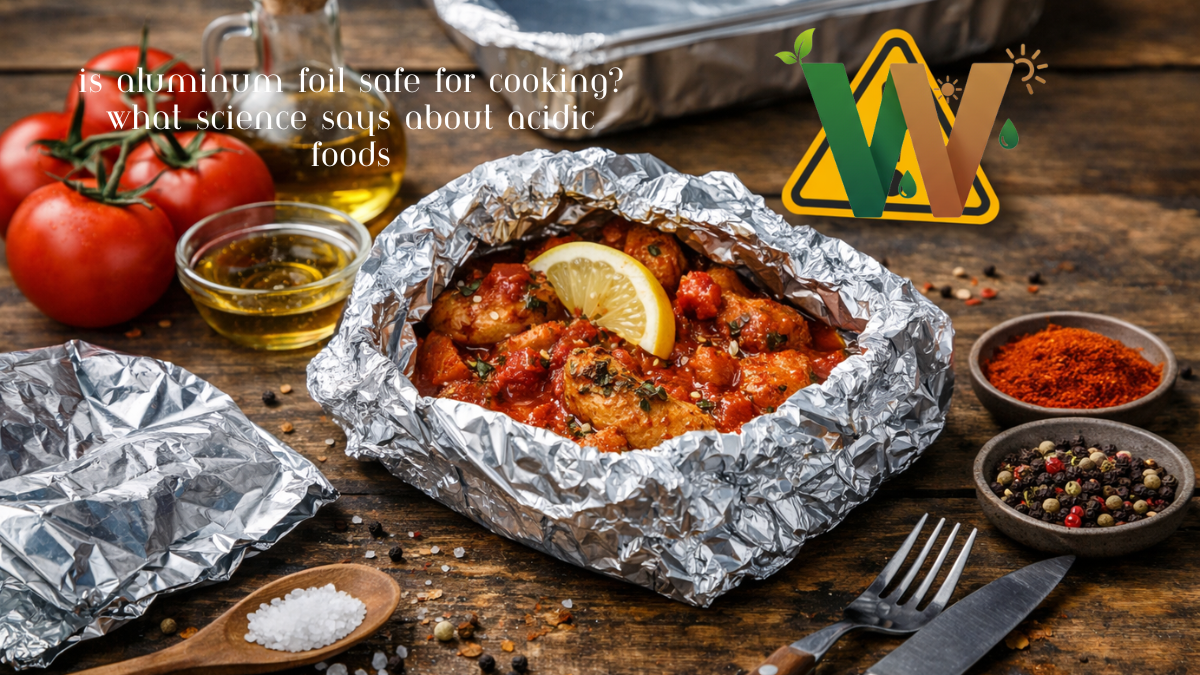
When aluminum foil comes into contact with acidic foods, chemical reactions can occur. Heat accelerates this process, allowing small amounts of aluminum to migrate into the meal. Ingredients such as tomatoes, vinegar, citrus, and spice‑rich marinades are particularly reactive. For example, wrapping tomato‑based dishes in foil and baking them can increase aluminum levels in the food compared to neutral items like bread or potatoes.
The amount of leaching varies depending on cooking time, temperature, and acidity. While occasional use may not pose significant risks, repeated exposure could contribute to higher aluminum intake over time.
Health Concerns Linked to Aluminum Exposure
Aluminum is a naturally occurring element, and small amounts are present in water, soil, and food. The human body can process and eliminate most of it. However, excessive exposure has been linked to potential health issues:
- Neurological effects: Some studies suggest a possible connection between high aluminum levels and neurodegenerative conditions. Research is ongoing, and while no direct cause has been proven, caution is advised.
- Bone health: Aluminum can interfere with calcium metabolism, which may affect bone strength if intake is consistently high.
- Kidney function: People with impaired kidney function may have difficulty eliminating aluminum, leading to accumulation.
It is important to note that occasional use of foil is unlikely to cause harm. The concern arises with frequent cooking of acidic foods in foil over long periods.
Safer Cooking Practices
To reduce exposure, consider these practical adjustments in the kitchen:
- Use parchment paper: For baking or wrapping acidic foods, parchment paper provides a safe barrier.
- Switch to glass or ceramic containers: These materials are non‑reactive and ideal for storing leftovers.
- Choose stainless steel cookware: Durable and resistant to chemical reactions, stainless steel is a reliable alternative.
- Limit foil use to neutral foods: Dry items such as bread, potatoes, or grilled vegetables without acidic marinades are safer options.
- Avoid long storage in foil: Wrapping leftovers in foil for extended periods can increase leaching. Use airtight glass or BPA‑free plastic containers instead.
Practical Kitchen Tips
Small changes can make a big difference in reducing aluminum exposure:
- Line foil with parchment paper before wrapping acidic foods.
- Store tomato sauces, pickles, or citrus‑based dishes in glass jars.
- Use ceramic baking dishes for lasagna or casseroles.
- Grill meats with stainless steel trays instead of foil packets.
- Keep foil use occasional rather than daily.
These steps maintain convenience while minimizing risks.
Balancing Convenience and Safety
Aluminum foil is not inherently dangerous, but its interaction with acidic foods under heat deserves attention. The key is moderation. Using foil occasionally for neutral foods is unlikely to cause harm. However, for meals rich in tomatoes, vinegar, or spices, safer alternatives are recommended. By making mindful choices, households can enjoy both convenience and health protection.
Conclusion
Aluminum foil has earned its place in kitchens for its practicality, but science shows that it is not the best option for every dish. Acidic foods cooked or stored in foil can absorb aluminum, raising potential health concerns over time. Fortunately, safer alternatives such as parchment paper, glass, ceramic, and stainless steel are readily available. By understanding the risks and adjusting cooking habits, families can continue to enjoy delicious meals without compromising safety.
Next time you prepare a tomato‑based dish or marinate food with vinegar, consider reaching for parchment paper or a glass container instead of foil. Small changes in the kitchen can lead to healthier outcomes in the long run.