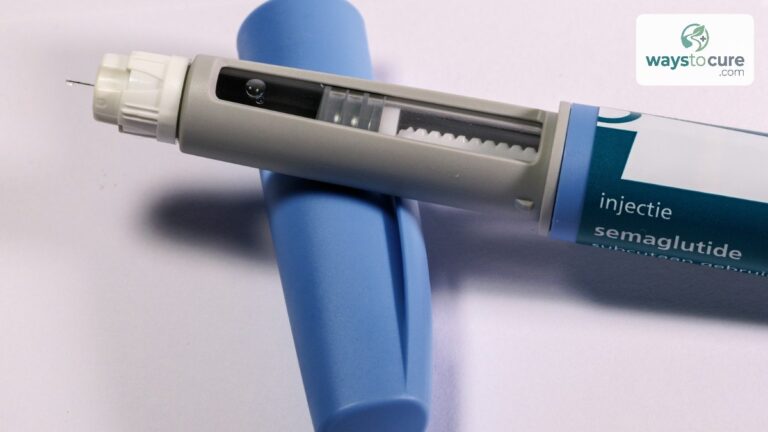
When you stop Ozempic, Wegovy or another GLP-1 drug, your appetite usually comes back within weeks, and most people regain a large share of the weight they lost over the following year or so. If you have type 2 diabetes, your blood sugar is likely to rise too, and a large study published this month linked stopping these drugs to roughly double the rate of heart attack, stroke or death.
That doesn’t mean you can never stop. It means stopping works best as a planned decision with your doctor, not something you do because a pen ran out or a prescription lapsed. Here’s what the evidence actually shows, and how to stop with the least damage if you need to.
Why the effects don’t last after you stop
Semaglutide (Ozempic, Wegovy, Rybelsus) and tirzepatide (Mounjaro, Zepbound) copy gut hormones that tell your brain you’re full and slow down how fast food leaves your stomach. They don’t permanently reset your appetite. Once the drug clears your body, those signals go back to roughly where they were before, which is why regain is so common.
Because the injections are weekly, the effect fades over a few weeks rather than overnight. Many people notice hunger and “food noise” creeping back first, then the scale moving.
How much weight comes back, according to trials
Three pieces of evidence give a fairly consistent picture:
- Semaglutide (STEP 1 extension): people lost an average of 17.3% of their body weight over 68 weeks. One year after stopping, they had regained 11.6 percentage points, about two-thirds of what they’d lost, leaving a net loss of 5.6%. Improvements in blood pressure, blood sugar and cholesterol also drifted back toward where they started (Wilding et al., Diabetes, Obesity and Metabolism).
- Tirzepatide (SURMOUNT-4): after 36 weeks on the drug, people had lost 20.9% on average. Those switched to a placebo regained 14% of their body weight over the next year, while those who stayed on tirzepatide lost a further 5.5% (JAMA).
- All weight-loss drugs pooled: an Oxford review of 37 studies and more than 9,000 adults, published in The BMJ, found weight came back at about 0.4 kg (0.9 lb) a month after stopping. For semaglutide and tirzepatide it was about 0.8 kg (1.8 lb) a month, with people projected to be back at their starting weight in around 1.5 years. Blood sugar, blood pressure and cholesterol were estimated to return to baseline within about 1.4 years (NIHR Oxford Health BRC).
These are averages. Some people keep most of their loss off, and some regain all of it. Data beyond 12 months after stopping the newer drugs is still thin.
What the new heart-risk study found
The study that made headlines this month, published in The Lancet Regional Health Europe on 9 November 2026, followed 80,302 adults with type 2 diabetes across 301 diabetes clinics in Italy between 2004 and 2024. None had had a major heart event before starting a GLP-1 drug (The Pharmaceutical Journal).
- “Stopping” meant no prescription at two clinic visits in a row. By the last visit, 60.5% had stopped.
- In matched groups, non-fatal heart attack, non-fatal stroke or death happened at 3.94 per 100 person-years in people who stopped, compared with 1.96 in those who carried on.
- The link was stronger in people with a BMI of 30 or more (hazard ratio 2.27) than in those under 30 (1.61).
Before this worries you too much, read the limits. It’s an observational study, so it can’t prove that stopping caused the extra events. The reasons people stopped weren’t recorded, and someone who quits because they’re getting sicker would show up as a “stopper” with a higher risk anyway. Most participants used older GLP-1 drugs, tirzepatide wasn’t included, and the results may not apply to people without diabetes who take these drugs for weight alone. Diabetes UK said the findings should be interpreted with caution and advised anyone with type 2 diabetes considering stopping to talk to their healthcare team first.
What you may notice, week by week
| Time after last dose | What commonly happens |
|---|---|
| First 1 to 3 weeks | Nausea, constipation or diarrhoea usually ease. Hunger and interest in food start to return. |
| 1 to 3 months | Portion sizes creep up. Weight often starts rising. If you have diabetes, home glucose readings and the next HbA1c may be higher. |
| 6 to 12 months | In trials, a large share of the lost weight had returned by one year. Blood pressure and cholesterol may drift up. |
| 1 to 2 years | Pooled data suggests many people are close to their starting weight by about 1.5 years without another plan in place. |
Good reasons people stop
Stopping isn’t always a mistake. Common, legitimate reasons include:
- Side effects you can’t tolerate, such as persistent vomiting.
- Cost or loss of insurance or NHS eligibility.
- Planning a pregnancy. The NHS advises stopping semaglutide at least 2 months before you start trying.
- Supply shortages.
- A medical problem that makes the drug unsafe, such as suspected pancreatitis or a sudden change in vision (see our explainer on the Ozempic eye warning).
How to stop with less regain
The NHS says not to stop semaglutide suddenly and to talk to your doctor first, who may suggest lowering the dose gradually. Beyond that, these steps give you the best chance of holding on to your progress:
- Agree a plan before the last dose. Ask whether a slow step-down, a lower maintenance dose or a switch to another medicine makes sense for you. If you’re weighing the tablet form, our comparison of the Wegovy pill and injections covers the differences.
- Keep protein high at every meal. Eggs, Greek yoghurt, dal, tofu, fish or chicken help you feel full when the drug no longer does that job for you.
- Do strength training twice a week. Keeping muscle helps protect your metabolism, and daily walking helps too. Our guide to how many steps a day you really need has realistic targets.
- Weigh yourself weekly and set a trigger. For example, if you regain 2 to 3 kg (4 to 7 lb), book a review rather than waiting until it’s 10 kg.
- If you have diabetes, check sugars more often for the first few months and get an HbA1c about 3 months after stopping. Your other diabetes medicines may need adjusting.
- Keep sleep, alcohol and stress in check. They all drive appetite, and you’ll feel that more without the drug.
Can you restart if the weight comes back?
Usually yes, but don’t jump straight back to your old dose. Going back on at a high dose after a break makes nausea and vomiting much more likely, so prescribers normally restart at a lower dose and step back up. The NHS advice on missed doses gives a sense of how sensitive this is: if you miss more than one injection, contact your doctor for advice rather than guessing.
Guidelines differ by country
In the US, GLP-1 drugs for weight are generally prescribed as long-term treatment, and access depends heavily on insurance. In the UK, NHS prescribing for weight loss has eligibility rules based on BMI and related conditions, and access is often through specialist weight services. In India, semaglutide and tirzepatide are available on prescription, but the cost is paid out of pocket by most people, which is a common reason for stopping. Wherever you are, the drug should be prescribed and followed up by a doctor, not bought online without a prescription.
When to see a doctor
Book a prompt appointment after stopping if you notice:
- Home blood sugar readings that stay above your target, or symptoms of high sugar such as heavy thirst, peeing a lot or blurred vision.
- Rapid regain, for example more than 5 kg (11 lb) in a couple of months.
- Blood pressure readings rising again if you’d come off blood pressure tablets.
- Low mood, binge eating or feeling out of control around food.
Get emergency help (call your local emergency number: 911 in the US, 999 in the UK, 112 in the EU and India) if you have chest pain, sudden weakness or numbness on one side, slurred speech, or sudden loss of vision. If you have type 1 or type 2 diabetes and you’re vomiting, very drowsy or breathing fast, that also needs urgent care.
Frequently asked questions
Do you have to take Ozempic forever?
Not necessarily, but trials show most people regain much of the weight after stopping, so many doctors treat it as long-term therapy. If you stop, have a plan for diet, activity and follow-up in place first.
How fast does the weight come back?
On average about 0.8 kg (1.8 lb) a month after stopping semaglutide or tirzepatide, based on pooled studies. In the semaglutide trial, people had regained about two-thirds of their loss one year later.
Is stopping Ozempic dangerous for your heart?
A large Italian study in people with type 2 diabetes linked stopping with about twice the rate of heart attack, stroke or death. It can’t prove cause and effect, and people stop for many reasons, including illness. Talk to your doctor before you stop if you have diabetes or heart disease.
Should I taper off rather than stop suddenly?
The NHS advises against stopping semaglutide suddenly and says your doctor may suggest reducing the dose gradually. There’s no single proven taper schedule, so agree one with your prescriber.
Will my blood sugar go up if I stop?
If you have type 2 diabetes, it’s likely. Check your readings more often and ask for an HbA1c test around 3 months after stopping so your treatment can be adjusted.
This article is for general information and is not a substitute for advice from a doctor. If you have symptoms or a health condition, please consult a qualified healthcare professional.