Uterus removal, known medically as a hysterectomy, is one of the most common surgeries performed on women. Even though it is widely practiced, many still feel unsure about what the body goes through after the procedure. For some, the thought of living without a uterus raises concerns about identity, hormones, long term health changes, sexual wellbeing, and emotional balance. These questions are valid and deserve detailed, honest answers.
This guide has been written to help readers understand what truly happens inside the body after uterus removal. It brings together practical insights, lived experiences, and clear explanations so that any woman preparing for surgery, or recovering from it, can feel better informed and more confident in her healing process.
The goal is not only to explain the medical side but also to show how daily life can change and what steps can make recovery smoother. Many women recover well and enjoy better health after surgery, especially when the procedure solves long standing issues like pain, bleeding, or fibroids. Still, the healing process requires patience, awareness, and the right guidance.
Let us begin by understanding the procedure itself before exploring what follows.
Table of Contents
Understanding Uterus Removal and Why It Is Done
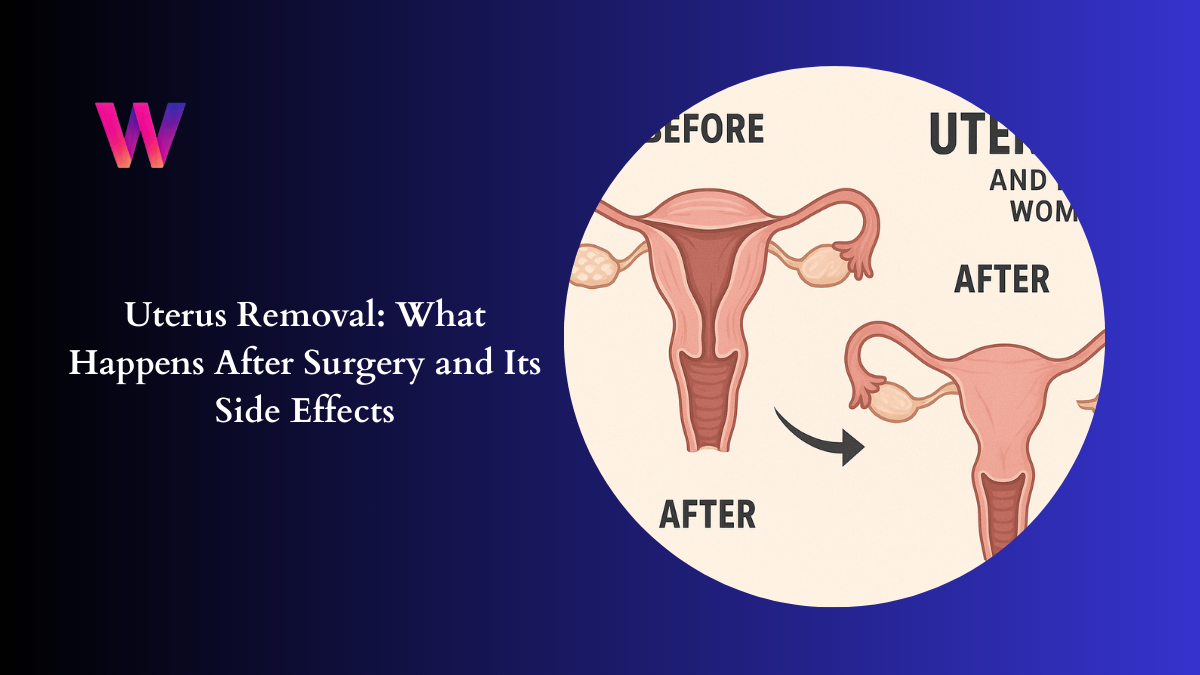
Uterus removal means the complete or partial removal of the uterus through surgery. Sometimes only the uterus is removed. In other cases, the cervix, ovaries, or fallopian tubes may also be taken out. The type of hysterectomy performed directly influences what a woman experiences afterward.
Common reasons for hysterectomy
Women consider this surgery for many different health concerns, such as:
- Heavy bleeding that does not respond to treatment
- Large or painful fibroids
- Endometriosis
- Adenomyosis
- Pelvic pain that has no relief
- Uterine prolapse
- Certain cancers
- Repeated infections
Some women reach this stage after years of discomfort. For others, the surgery becomes necessary due to a sudden diagnosis. While every journey is different, the recovery process often follows similar patterns.
What Happens in the Body Right After Uterus Removal
Once the uterus is removed, the body begins a recovery cycle that affects every system, from hormones to digestion. The healing timeline varies, yet most women notice a mix of physical and emotional changes.
Immediate physical effects after surgery
In the first few days, the body responds as it would to any major surgery:
- Pain around the abdominal or vaginal area
- Tiredness
- Light bleeding or discharge
- Difficulty passing stool
- Lower appetite
- Swelling around the incision
Doctors usually provide medication to control pain and help the body adjust. Deep breathing, short walks, and hydration help improve circulation and reduce the risk of complications.
How the absence of the uterus affects the body
The uterus is not only a reproductive organ. It sits in the pelvis, supported by ligaments and muscles. Once removed, the surrounding organs slowly shift to fill this space. This is a natural process, but it may cause sensations like heaviness or pressure in the first few weeks.
The bladder and bowel may also need time to return to normal function. It is common for women to notice changes in how often they urinate or the way their digestion feels.
Hormonal Changes After Uterus Removal
Whether the hormones change depends mainly on whether the ovaries are removed during surgery.
If the ovaries are kept
When the ovaries stay in place, they continue to produce hormones. Menopause does not begin right away. However, some women experience mild symptoms because the blood supply to the ovaries may change slightly. This can lead to:
- Hot flashes
- Mood swings
- Sleep changes
- Lower libido
These effects are usually temporary and settle as the ovaries adapt.
If the ovaries are removed
When both ovaries are removed, menopause begins immediately. This is known as surgical menopause. The body faces a sudden drop in estrogen and progesterone, which may cause:
- Strong hot flashes
- Night sweats
- Vaginal dryness
- Joint stiffness
- Restlessness
- Lower energy
- Reduced sexual desire
This transition can feel intense. Many women benefit from guidance on lifestyle changes, supplements, or hormone replacement therapy if recommended by a doctor.
Long term hormonal impact
Hormones affect bone strength, heart health, skin elasticity, and mental wellbeing. A woman who experiences surgical menopause earlier in life may need personalized care to support these systems. Even women who keep their ovaries can face earlier menopause than they would have otherwise.
Common Side Effects on Women’s Health After Uterus Removal
Every woman responds differently to surgery. Some feel free from years of pain and discomfort. Others struggle with changes that take longer to understand. Knowing the most common side effects helps women prepare and manage their health with confidence.
1. Changes in sexual health
Sexual wellbeing is deeply personal, and many women fear that a hysterectomy might reduce desire or pleasure. The reality differs for each person.
Some women report:
- Increased comfort during intimacy because pain and bleeding are gone
- Improved desire once chronic symptoms settle
Others may face:
- Vaginal dryness
- Lower libido
- Difficulty reaching climax
- Discomfort during intercourse
These issues often improve with lubrication, open communication with partners, and professional advice. Many women find that once their body heals and their confidence returns, sexual health improves significantly.
2. Emotional and psychological effects
The uterus is tied to identity, fertility, and womanhood for many. It is natural to feel a range of emotions after removal, such as:
- Relief
- Sadness
- Fear
- Frustration
- Anxiety
- Grief
Some women describe a sense of loss, even when they were certain about their decision. Talking to a support group or counselor provides comfort and clarity. Emotional healing is just as important as physical recovery.
3. Weight changes
Some women gain weight after surgery due to lower activity levels, fluid retention, or hormonal shifts. Others notice weight loss, especially if heavy bleeding or pain had previously limited their lifestyle. A steady approach to exercise and nutrition helps maintain balance.
4. Pelvic floor weakness
The pelvic floor supports organs like the bladder, bowel, and vagina. After a hysterectomy, these muscles may weaken, especially if the uterus was removed due to prolapse. This can lead to:
- Urinary leakage
- Lower abdominal heaviness
- Difficulty controlling gas
Pelvic floor exercises help rebuild strength and prevent long term issues.
5. Bone health concerns
Early menopause increases the risk of reduced bone density. Women who undergo surgical menopause before the age of 45 may need extra monitoring. Calcium rich foods, sunlight, weight bearing exercises, and supplements if advised can help protect bone strength.
6. Heart health changes
Estrogen supports heart function. When estrogen levels drop quickly, heart health may need extra attention. Doctors may recommend routine screenings, mindful eating habits, and regular physical activity.
7. Digestive changes
Some women face constipation or bloating after surgery because the intestines adjust to the new pelvic structure. Drinking more water, adding fiber, and short walks help restore normal bowel movements.
8. Reduced menstrual symptoms and improved quality of life
One of the positive outcomes of uterus removal is the end of monthly bleeding and pain. Many women who struggled with fibroids, endometriosis, or heavy bleeding feel a renewed sense of freedom after recovery.
Daily Life After Uterus Removal: What to Expect
The healing process unfolds gradually. Understanding each stage helps women move forward with patience.
The first two weeks
Rest is the main priority. There may be periods of soreness, tiredness, and emotional swings. Light walking helps prevent clots and improves circulation.
Weeks three to six
Energy levels rise. Most women return to daily tasks during this stage. Heavy lifting and strenuous work must still be avoided.
Two to three months
The body starts to feel stable again. Sexual activity may resume once the doctor confirms healing. Mood and hormones begin to settle.
Beyond three months
Most women feel like themselves again, often with better comfort than before surgery. Any long term symptoms can be addressed through follow up care.
How to Support Your Health After Uterus Removal
Healing well requires a mix of self care, healthy habits, and regular medical guidance.
1. Build a balanced diet
Nutritious food helps manage hormones, maintain weight, and improve energy. Consider including:
- Fresh fruits
- Whole grains
- Lean protein
- Healthy fats
- Calcium rich foods
- Iron rich foods if anemia existed before surgery
Avoiding processed foods helps reduce bloating and supports hormonal balance.
2. Stay active
Gentle movement improves recovery. Begin with short walks and gradually add:
- Stretching
- Yoga
- Light strength training
- Low impact cardio
Activity boosts mental health, heart function, and bone strength.
3. Care for emotional wellbeing
Journaling, meditation, therapy, or conversations with close friends help reduce stress. Recovery involves both body and mind.
4. Support sexual health
Lubrication, pelvic floor therapy, and open communication with partners improve intimacy. Talking to a doctor about discomfort can lead to simple solutions.
5. Regular health checkups
Women should keep up with annual screenings, bone density checks, and hormone assessments if needed.
My Personal Experience Helping Women Through This Journey
Over time, I have spoken with many women who went through uterus removal. Their stories vary, but most share one theme. They felt afraid before the surgery, unsure about life afterward. Yet many later said it was the moment they reclaimed their health and comfort.
One woman described years of heavy bleeding that left her tired and socially withdrawn. After surgery, once healing was complete, she felt as if she had been given back the energy she lost. Another shared that her emotional recovery took longer than physical healing. She eventually joined a support group, which helped her understand that her feelings were normal.
These experiences highlight something important. The journey is personal, yet no one has to go through it alone. Talking to others makes the path easier.
Frequently Asked Questions About Uterus Removal
Will I gain weight after a hysterectomy?
Some women do, but it is not a direct effect of the surgery. Hormones, reduced activity, or water retention may play a role.
Can I have intercourse after uterus removal?
Yes, but only after the doctor confirms complete healing. Many women find intercourse more comfortable after recovery.
Do I still need Pap tests?
If the cervix is removed and there is no history of abnormal cells, Pap tests may no longer be needed. If the cervix remains, routine testing continues.
Will I feel different emotionally?
It is common to feel a mix of emotions. Talking to trusted people or a counselor helps.
Can I get pregnant after uterus removal?
No, pregnancy is not possible without a uterus.
Conclusion:
Uterus removal is a life changing decision. It comes with benefits and challenges, both of which deserve quiet reflection and clear information. The surgery can free women from long standing pain, heavy bleeding, and health issues that affect daily life. At the same time, it may bring hormonal changes, emotional reactions, or physical adjustments that require patience.
The most important message for any woman facing this journey is simple. Healing is possible, strength returns, and life can feel balanced again. With the right care, support, and understanding, many women go on to enjoy healthier, more comfortable years after surgery.
If you approach the recovery process with awareness and self compassion, your body will guide you forward at its own pace.
You know your rhythm better than anyone else. Respect it, trust it, and allow it to lead you into a steadier future.