Most mild cracked heels improve with a thick cream containing urea, salicylic acid or lactic acid, applied daily after washing, plus socks at night and shoes that cover the heel. If you have diabetes or numb feet, though, the rules change: no blades, no hot soaks and no corn removers, and any crack that won’t heal needs a doctor or podiatrist.
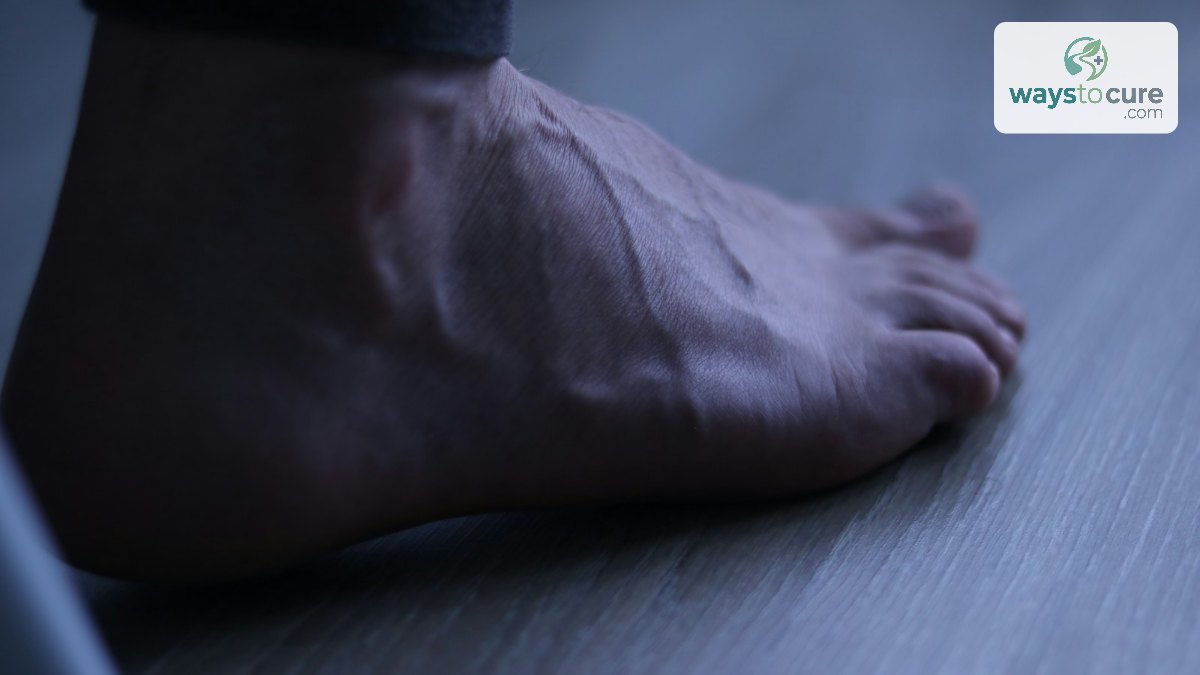
Cracked heels (heel fissures) start as dry, thickened skin around the rim of the heel. When that hard skin can’t flex as you walk, it splits. Shallow cracks are just uncomfortable. Deep ones can hurt, bleed and let germs in.
Why do heels crack?
A few things usually combine:
- Dry skin. Winter air, long hot baths and harsh soaps strip the natural oils from your feet.
- Open-backed or badly fitting footwear. Dermatologists specifically advise against flip-flops, slingbacks and worn-down shoes for people with cracked heels, and many everyday chappals fall in that group.
- Skin conditions such as eczema, psoriasis and fungal infection (more on these below).
- Medical conditions such as diabetes. The AAD notes that dry, cracked heels can be a sign of an underlying condition like diabetes.
Creams that actually work: urea, salicylic acid and lactic acid
Ordinary body lotion is often too thin for heels. The American Academy of Dermatology (AAD) recommends a cream containing 10 to 25% urea, an alpha hydroxy acid (lactic acid is the usual one in heel creams) or salicylic acid. These ingredients do two jobs: they hold water in the skin and they gently loosen the thick, dead layer so it can soften and shed.
| Ingredient | What it does | Things to know |
|---|---|---|
| Urea (10 to 25%) | Draws in moisture and softens hard skin | May sting on open cracks. Diabetes UK mentions urea-based creams as an option for people with diabetes. |
| Lactic acid (an alpha hydroxy acid) | Loosens dead skin cells and moisturises | May sting on broken skin. Use daily. |
| Salicylic acid | Breaks down thick, scaly skin | Strong corn and callus removers often contain it. If you have diabetes, avoid those removers and ask your doctor before using salicylic acid products. |
| Plain petroleum jelly | Seals in moisture | Cheap and gentle. Best at night under socks. |
Apply the cream within 5 minutes of washing, while your skin is still slightly damp, and again whenever your heels feel dry. Use it every day, not only on the days your heels hurt.
A simple home routine for cracked heels
- Wash, don’t stew. The AAD suggests keeping baths and showers to 5 to 10 minutes. A short wash or a brief foot soak in lukewarm (not hot) water is enough to soften the skin.
- Use a gentle cleanser. A mild, fragrance-free soap keeps more of the skin’s natural oils.
- Pat dry, including between the toes.
- File gently, if at all. A pumice stone or foot file used lightly on damp skin, a few strokes at a time, is enough. Stop if the skin turns pink or sore. Never use a blade, razor or the edge of scissors on hard skin.
- Moisturise straight away with your urea, lactic acid or salicylic acid cream.
- At bedtime, put a layer of plain petroleum jelly on your heels and wear clean cotton socks so it stays on your feet and off the sheets.
- During the day, the AAD suggests a liquid bandage over painful cracks to protect them and help them heal.
Footwear makes a big difference
The AAD advises avoiding open-heeled shoes such as flip-flops and slingbacks, worn-down shoes and shoes that don’t fit well. In practice, that means:
- At home, try closed-back slippers or soft shoes instead of walking barefoot on hard floors.
- Outdoors, choose shoes or sandals with a back strap and a cushioned heel.
- Replace shoes when the heel is worn flat on one side.
- If you stand for long hours at work, cushioned insoles can reduce the pressure on your heels.
If you have diabetes or numb feet: read this first
For people with diabetes, a cracked heel is not just a cosmetic problem. Nerve damage (neuropathy) can stop you feeling a cut or burn, and poor circulation slows healing. A small crack can turn into an infected ulcer. If you have diabetes, these rules matter more than any cream:
- No blades, razors or corn plasters. Diabetes UK warns against cutting hard skin with blades and against corn and verruca removers, which can burn the skin and cause ulcers. The CDC also says not to remove corns or calluses yourself.
- No hot or long soaks. The CDC advises washing feet daily in warm, not hot, water and not soaking them. Diabetes UK suggests checking the water with your wrist or elbow before your feet go in, because numb feet can’t judge heat.
- Moisturise the tops and soles, but not between the toes, where cream can trap moisture and lead to infection.
- Check your feet every day for cracks, redness, swelling, blisters or sores. Use a mirror or ask a family member if you can’t see your heels.
- Never walk barefoot, even indoors, and check inside your shoes before putting them on.
- Use a pumice stone only carefully, or not at all. A podiatrist can safely remove thick skin for you.
- Keep heat away from numb feet: no hot water bottles, heaters or heating pads on them.
If your feet are often numb or tingly, our guide to foot numbness explains more, and keeping your blood sugar in range (see understanding glucose) helps protect your nerves and skin over time.
When it’s eczema, psoriasis or a fungal infection
Sometimes the dry heel is a symptom of something else, and moisturiser alone won’t fix it.
Fungal infection (athlete’s foot)
Athlete’s foot can spread from between the toes to the soles and sides of the feet. The NHS says the skin may become sore and flaky, can crack or bleed, and may look red, though redness is harder to see on brown skin. Look for itching, peeling between the toes and a scaly rim along the edge of the sole. Antifungal creams from a pharmacy usually take a few weeks to work. Our article on ringworm covers the same family of fungal infections.
Eczema
Eczema on the feet causes itchy, dry, sometimes weepy patches that can crack. It usually needs a medicated cream from a doctor. Read more in our guide to eczema symptoms and triggers.
Psoriasis on the soles
Some forms of psoriasis affect the palms and soles. The British Association of Dermatologists notes that in palmoplantar pustulosis, skin on the soles can become dry and thickened with painful cracks, and that salicylic acid or urea creams can reduce the thickness. Diagnosis and treatment need a doctor.
Signs your cracked heel is infected
Cracked, dry skin is one of the ways bacteria get in and cause cellulitis, a skin infection. The NHS lists these signs:
- Skin around the crack becomes painful, hot and swollen.
- Redness spreading from the crack (harder to see on brown skin; go by heat and swelling).
- Blisters forming on the red or swollen skin.
- Feeling unwell with flu-like symptoms, or having swollen, painful glands.
Go to a hospital or call 112 straight away if a foot infection comes with a very high temperature, shivering, a fast heartbeat or breathing, confusion, dizziness, or cold, pale, clammy skin.
When to see a doctor or podiatrist
See a doctor, dermatologist or podiatrist if:
- You have diabetes and notice any crack, sore, blister or colour change on your foot. The CDC says not to wait for your next appointment.
- The cracks are deep, bleeding or very painful to walk on.
- Your heels haven’t improved after a few weeks of daily cream and better footwear.
- You have itching, peeling between the toes, or patches elsewhere on your body that might be eczema, psoriasis or fungus.
- You have poor circulation, a weakened immune system or numb feet.
- You notice any of the infection signs listed above.
A podiatrist can safely pare down thick skin, and a doctor can prescribe stronger creams or treat an underlying condition.
Frequently asked questions
How long do cracked heels take to heal?
It depends on how deep they are. Mild dryness usually responds to daily moisturising with a urea or lactic acid cream. Deep, painful cracks take longer and may need a podiatrist. If you’ve seen no improvement after a few weeks, get them checked.
Is coconut oil or ghee good for cracked heels?
They can moisturise, but there’s little research on them for heels. A urea cream or plain petroleum jelly is the better-tested option.
Can I use a pumice stone every day?
Go gently: a few light strokes on damp skin is enough, and stop if it feels sore. Scrubbing hard can leave raw patches. If you have diabetes, ask your doctor or podiatrist before using one.
Why do my heels crack more in winter?
Cold, dry air pulls moisture from the skin, and hot baths make it worse. Moisturise more often and keep washes short and lukewarm.
Should I use a blade to remove hard skin?
No. Blades can cut the skin and let infection in. This is especially risky if you have diabetes.
This article is for general information and is not a substitute for advice from a doctor. If you have symptoms or a health condition, please consult a qualified healthcare professional.