No, nail polish won’t cure ringworm. The fungus lives inside the outer layer of your skin, and painting over it doesn’t kill it. What works is a plain antifungal cream used every day for long enough, which usually means several weeks and at least two weeks after the rash looks clear.
Nail polish is a small mistake, though. In India the bigger one is the cheap “itch cream” that mixes a strong steroid with an antifungal and an antibiotic. It calms the itch within days, which is exactly why people keep buying it, and Indian dermatologists say it’s a major reason ringworm (tinea, or daad) has become so stubborn here. If you’re looking for gentle ways to soothe the itch while treatment works, our post on home remedies for ringworm and when to use antifungal cream covers that side. This one is about the mistakes that keep the rash coming back.
Why ringworm has become so hard to treat in India
Ringworm isn’t a worm. It’s a fungal skin infection that usually shows up as an itchy, ring-shaped patch with a raised, scaly edge. Common spots are the groin, waist, buttocks, inner thighs, under the breasts and between the toes. Heat, sweat and tight clothing help it along, so Indian summers and monsoons suit it well.
Over the last decade, Indian skin doctors have described what a 2017 editorial in the Indian Journal of Dermatology called an epidemic of superficial dermatophytosis: more people with large, long-lasting, recurring patches that don’t clear the way they used to. A 2020 consensus from the Indian Association of Dermatologists, Venereologists and Leprologists (IADVL task force) noted that standard antifungal doses and durations had become less effective over the previous six to seven years.
The problem has travelled. In 2023 the US Centers for Disease Control and Prevention reported the first American cases of a hard-to-treat ringworm fungus, Trichophyton indotineae, and noted that its spread in South Asia has been linked to the inappropriate use of widely available topical combination creams (CDC MMWR).
Mistake 1: Using a steroid combination cream
Turn the tube over and read the ingredients. If you see a steroid such as clobetasol or betamethasone listed next to an antifungal (terbinafine, clotrimazole, miconazole or ketoconazole), and sometimes an antibiotic like ofloxacin or ornidazole, you’re holding a steroid combination. The 2017 editorial reported that the most common mix in India pairs clobetasol, a very strong steroid, with ornidazole, ofloxacin and terbinafine, and that such creams made up roughly half of all topical steroid sales.
Here’s why that causes trouble:
- The steroid hides the infection without clearing it. It switches off redness and itch, so the patch looks better, but it also dampens the skin’s own defence against the fungus. The CDC advises against steroid creams for ringworm because they can make the infection worse (CDC).
- The rash changes shape. Dermatologists describe “steroid-modified tinea”: patches that lose their typical ring, spread wider, and return as soon as the cream stops.
- The skin gets damaged. Strong steroids used for weeks can thin the skin and cause stretch marks and pale patches, especially in the groin and inner thighs. The 2017 editorial noted stretch marks appearing within 3 to 4 weeks of using these creams.
- They don’t even work better. A 2021 paper in the Indian Journal of Pharmacology pointed to studies showing steroid-antifungal mixes are not superior to an antifungal alone. In one athlete’s foot trial it cited, the fungus had cleared at four weeks in 73% of people on an antifungal alone, against 43% on a clotrimazole and betamethasone combination.
The IADVL consensus strongly discourages topical steroids for ringworm, alone or mixed. If a cream “worked” and the rash came back within days of stopping, a hidden steroid is a likely reason.
Mistake 2: Stopping when the itch stops
The itch usually settles well before the fungus is gone. Stop at that point and the patch creeps back, often bigger.
So how long is long enough? The CDC says antifungal creams are usually applied for 2 to 4 weeks and should be continued even if symptoms improve. The NHS says you may need an antifungal every day for up to 4 weeks, and that you should use it for the full time even if the rash has gone. Given the Indian situation, the IADVL consensus suggests continuing topical antifungals for 2 weeks after the skin looks clear, with longer courses for chronic, recurrent or steroid-modified infections.
The 2017 editorial adds two practical points: apply the cream twice daily, and spread it about 2 cm beyond the visible edge of the patch, because the fungus is often active in skin that still looks normal.
Mistake 3: Nail polish, Vicks, bleach and other quick fixes
Social media is full of ringworm hacks. Most rest on the idea that you can suffocate or burn the fungus. In practice they either do nothing or injure the skin, and broken, inflamed skin is easier for the infection to spread across.
| Quick fix | The idea behind it | What actually happens |
|---|---|---|
| Clear nail polish | Seals the patch so the fungus “suffocates” | No evidence it works. The fungus lives in the skin, not on top of it, and solvents can sting and irritate an open rash. |
| Vicks or other menthol balms | Menthol and camphor kill fungus | No trials in skin ringworm. The cooling feel eases itch for a while, which can delay real treatment. |
| Bleach or undiluted antiseptic liquid | Disinfects the patch | Can cause chemical burns and irritant dermatitis. Damaged skin heals slowly and can pick up a bacterial infection. |
| Lemon juice or raw garlic paste | “Natural antifungals” | Irritating on inflamed skin, with no good human evidence for ringworm. |
| A relative’s leftover cream | “It cleared theirs” | Often a steroid mix, or the wrong product. The 2017 editorial flagged shared prescriptions in families as one way half-treatment spreads. |
Mistake 4: Treating only yourself
Ringworm often runs through a household. The 2017 editorial described a family pattern: one untreated person keeps reinfecting the one who is using medicine, and it looks as though the medicine failed. Shared towels, beds and clothes help it travel.
- Get everyone with an itchy patch checked and treated around the same time.
- Don’t share towels, combs or bedsheets, and wash them regularly (NHS).
- Wear loose cotton clothes. Change sweaty innerwear and socks every day.
- Dry the groin, skin folds and the gaps between your toes properly after a bath.
- Try not to scratch, which can carry the fungus to new spots.
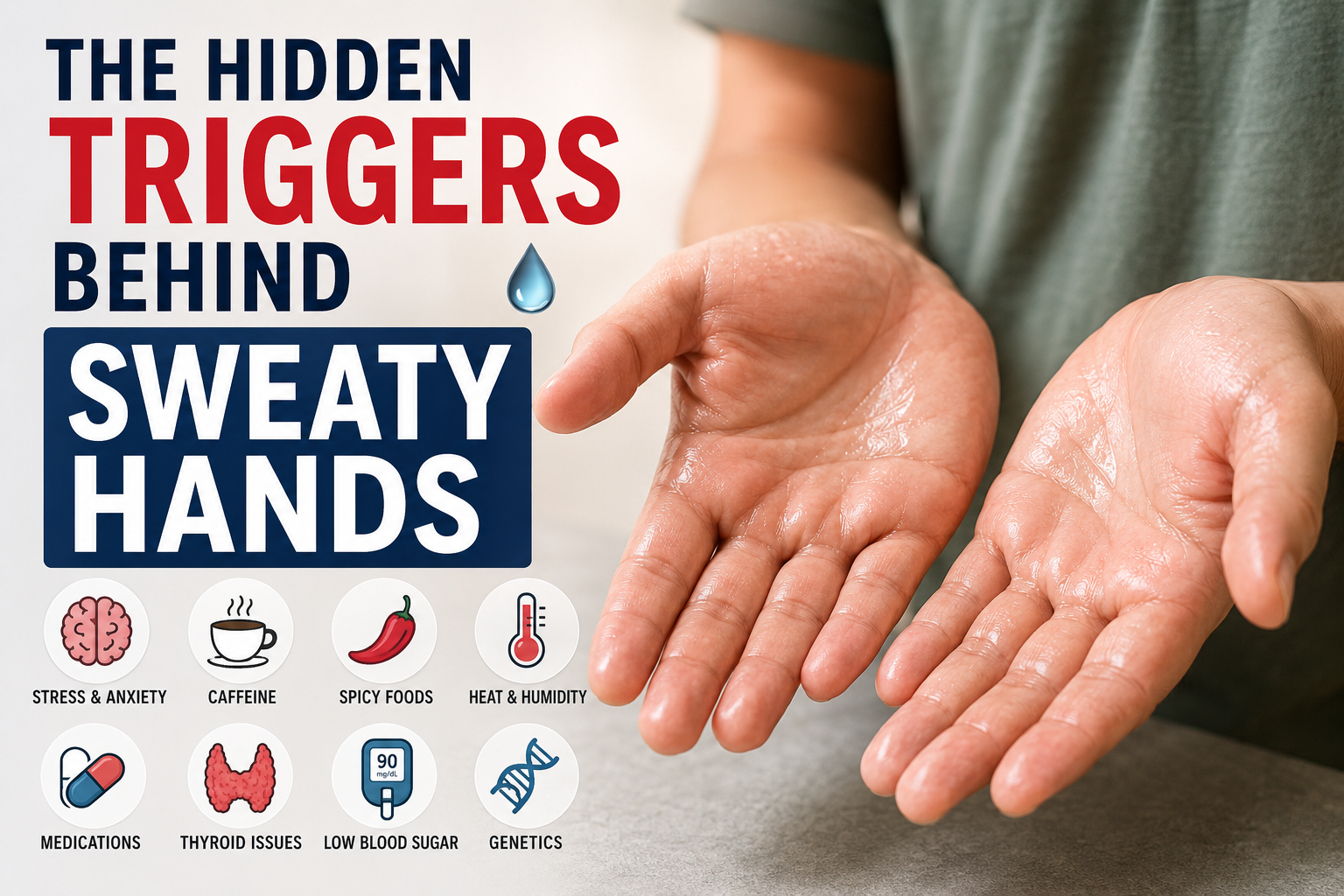
Heavy sweating makes all of this harder. If that’s you, our post on what triggers excess sweating may help. And ringworm between the toes can crack the skin, so if your feet are also rough and split, see our guide to cracked heels and when they need a doctor.
A sensible treatment plan, step by step
- Read the label. If the cream contains a steroid, stop using it on the rash and tell your doctor you’ve been using it.
- Switch to a single antifungal. Plain clotrimazole, miconazole, terbinafine or ketoconazole creams are the usual choices for skin ringworm. Ask your doctor or pharmacist which one suits the area and how often to apply it.
- Apply it properly. Clean, dry skin, and cover a margin of normal-looking skin around the patch.
- Keep going after it looks clear. Continue for at least 2 weeks beyond that point. Set a reminder on your phone.
- Review at 2 weeks. If it isn’t clearly better, or it’s spreading, see a doctor. Many Indian patients now need tablets as well as cream, and that decision belongs with a doctor, not a chemist counter.
When to see a doctor
See a doctor, ideally a dermatologist, if:
- the rash is on your scalp or beard. The CDC says creams don’t work on the scalp; you need prescription tablets, typically for 1 to 3 months
- it hasn’t improved after 2 weeks of a proper antifungal, or it came back after treatment
- it’s large, spreading to several body areas, or you’ve already used steroid creams on it
- your nails are thick, discoloured or crumbling
- you have diabetes or a weakened immune system, or take steroids (the NHS lists these as reasons to see a doctor)
- you’re pregnant or breastfeeding, or the patient is a baby, since medicine choices differ
- the patch becomes hot, swollen, painful or oozes pus, or you develop a fever, which can mean a bacterial infection on top
Ringworm by itself isn’t an emergency. But a fast-spreading, hot, painful red area of skin with fever needs same-day care. If someone is very unwell, call 112.
Frequently asked questions
Does clear nail polish kill ringworm?
No. There’s no evidence it works, and the fungus lives within the skin where polish can’t reach it. Use an antifungal cream instead.
Is a cream with clobetasol safe for ringworm?
Not without a doctor’s say-so. Indian dermatologists strongly discourage steroid creams, alone or mixed with antifungals, for ringworm because they mask the infection and can make it spread and recur. Only use a steroid if a doctor who has examined you prescribes it.
How long does ringworm take to clear with treatment?
Simple skin ringworm usually needs 2 to 4 weeks of daily antifungal cream. Long-standing or steroid-modified infections, which are common in India, can take longer and often need tablets.
Is ringworm contagious?
Yes. It spreads through skin contact and shared towels, combs, bedding and clothes, and some types come from pets. The NHS says children can go to school once they’ve started treatment.
Why does my ringworm keep coming back?
The usual reasons are stopping treatment too early, using a steroid combination cream, an untreated family member, or sweaty, tight clothing. If it keeps returning, see a dermatologist rather than trying another chemist cream.
This article is for general information and is not a substitute for advice from a doctor. If you have symptoms or a health condition, please consult a qualified healthcare professional.