
When summer peaks in India, it does not just feel uncomfortable, it starts affecting how your body works. Energy dips, digestion slows, dehydration becomes common, and even your skin reacts differently. That is when many people begin looking for natural ways to reduce body heat instead of relying only on cold drinks or artificial supplements.
One simple ingredient that quietly stands out during extreme heat is moringa leaves.
Used for generations in Indian kitchens and traditional practices, moringa is now gaining attention again, especially in the context of rising temperatures and longer heatwaves. But beyond the buzz, what actually happens inside your body when you start consuming moringa leaves during hot weather?
This guide breaks it down in a practical, no-nonsense way, so you understand how moringa works, what changes you may notice, and how to use it effectively during summer.
Table of Contents
Why Moringa Leaves Matter More During Heatwaves
Heatwaves place your body under stress. You lose fluids faster, electrolytes drop, and your internal cooling system struggles to keep up. This often leads to:
- Fatigue even after rest
- Loss of appetite
- Digestive discomfort
- Headaches or light dizziness
- Skin dryness or irritation
Moringa leaves come into the picture because they support multiple systems at once. Instead of targeting just one issue, they work across hydration, nutrition, digestion, and recovery.
This is why they are now being rediscovered as part of summer superfoods India 2026 conversations.
What Are Moringa Leaves, Really?
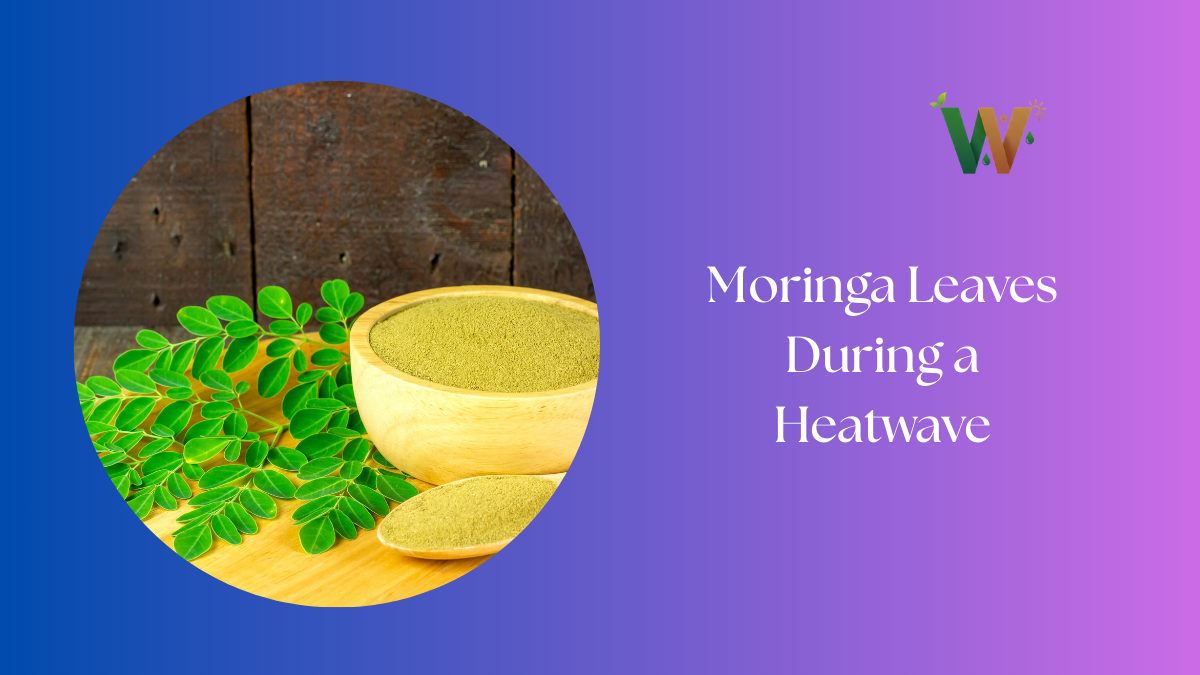
Moringa comes from the drumstick tree, commonly found across India. The leaves are small, green, and slightly earthy in taste. They are used fresh, dried, or powdered.
What makes them interesting is their nutrient density.
Moringa leaves contain:
- Vitamin A, C, and E
- Calcium and potassium
- Iron
- Plant protein
- Antioxidants such as quercetin and chlorogenic acid
This combination makes them more than just a leafy vegetable. They act like a compact nutritional support system, especially useful during periods of physical stress like heatwaves.
1. Your Body Cools Down More Efficiently
One of the first noticeable moringa leaves summer benefits is improved heat tolerance.
Moringa helps your body regulate internal temperature in two ways:
a) Supports hydration balance
Potassium in moringa helps maintain fluid balance inside cells. This prevents excessive dehydration, even when you sweat more.
b) Reduces internal inflammation caused by heat
Heat stress can trigger mild inflammation. Antioxidants in moringa help reduce this, making your body feel less “heated” from within.
What You May Notice
- Less frequent overheating
- Reduced body fatigue in the afternoon
- Slight improvement in heat tolerance outdoors
This does not replace hydration, but it complements it.
2. You Maintain Energy Levels Without Heavy Meals
During extreme heat, your appetite naturally drops. Heavy meals feel uncomfortable, and many people skip proper nutrition.
Moringa solves this quietly.
It provides:
- Plant-based protein for sustained energy
- Iron to support oxygen flow in the body
- B vitamins that assist energy metabolism
Unlike fried or heavy foods, moringa does not burden digestion.
Real-life example
If you have ever felt drained after stepping out in the sun, adding moringa to a light lunch or drink often helps stabilize your energy instead of causing a crash.
What You May Notice
- More consistent energy throughout the day
- Less post-lunch sluggishness
- Reduced dependence on caffeine
3. Your Digestion Becomes Lighter and More Stable
Heat affects digestion more than most people realize. It can lead to acidity, bloating, or irregular bowel movement.
Moringa supports digestion in a gentle way:
- It contains fiber that improves gut movement
- It has mild anti-inflammatory properties
- It supports healthy gut bacteria
Why this matters in summer
A stable digestive system means your body absorbs nutrients better, which is critical when your appetite is low.
What You May Notice
- Less bloating after meals
- Improved bowel regularity
- Reduced acidity
4. Your Skin Handles Heat Better
Summer skin issues are common. Sun exposure, sweat, and dehydration can lead to:
- Dullness
- Breakouts
- Irritation
Moringa contributes to skin health through:
- Vitamin C, which supports collagen
- Vitamin E, which protects skin cells
- Antioxidants that reduce oxidative stress
What You May Notice
- Slight improvement in skin clarity
- Less irritation due to heat
- Better hydration from within
It is not a cosmetic fix, but it supports skin resilience during harsh weather.
5. You Recover Faster from Heat Fatigue
Heat exhaustion is not always extreme. Sometimes it shows up as low motivation, tiredness, or mild headaches.
Moringa helps your recovery cycle by:
- Supporting electrolyte balance
- Providing essential micronutrients
- Reducing oxidative stress caused by heat exposure
What You May Notice
- Faster recovery after being outdoors
- Reduced afternoon fatigue
- Better mental clarity
6. Your Immunity Gets Subtle Support
Summer is not usually associated with illness, but heat stress can weaken immunity over time.
Moringa contains compounds that support immune response, including:
- Vitamin C
- Antioxidants
- Anti-inflammatory compounds
This becomes useful when your body is already dealing with environmental stress.
7. You Naturally Reduce Dependence on Sugary Cooling Drinks
Many people rely on packaged juices, sodas, or artificially flavored drinks to cool down.
While they provide temporary relief, they often lead to:
- Sugar spikes
- Energy crashes
- Dehydration later
Moringa offers a cleaner alternative.
It does not replace water or traditional drinks like buttermilk, but it adds nutritional value without unwanted sugar.
How to Use Moringa Leaves During Summer
You do not need complicated recipes. Keep it simple and consistent.
1. Moringa Water (Morning Starter)
- Take a few fresh leaves or half a teaspoon powder
- Mix in lukewarm water
- Drink on an empty stomach
This supports hydration and nutrient intake early in the day.
2. Light Moringa Dal
Add chopped moringa leaves to moong dal.
- Easy to digest
- Ideal for lunch
- Keeps you light yet nourished
3. Moringa Buttermilk
Blend:
- Buttermilk
- Roasted cumin
- Pinch of salt
- Small amount of moringa powder
This is one of the most practical moringa leaf recipes for energy during hot afternoons.
4. Moringa Smoothie
Mix:
- Coconut water
- Mint leaves
- A small quantity of moringa powder
- A slice of banana or apple
A good option when you want something quick and cooling.
5. Dry Leaf Powder with Meals
Sprinkle a small amount over:
- Sabzi
- Salads
- Soups
No major taste change, but added nutrition.
How Much Moringa Should You Take?
Moderation matters.
- Fresh leaves: A small handful per day
- Powder: Around ½ to 1 teaspoon daily
More is not always better. Start small and observe how your body responds.
Who Should Be Careful?
Moringa is generally safe, but some people should be cautious:
- Pregnant women (consult a doctor)
- People on blood pressure or sugar medication
- Those with sensitive digestion
If unsure, begin with very small quantities.
Common Mistakes to Avoid
1. Taking too much at once
This can lead to digestive discomfort.
2. Expecting instant results
Moringa works gradually, not overnight.
3. Replacing meals with moringa drinks
It is a supplement, not a substitute for proper food.
4. Using low-quality powder
Always choose fresh or reliable sources.
Where Moringa Fits Among Summer Superfoods in India
India already has strong summer food traditions:
- Coconut water
- Buttermilk
- Aam panna
- Curd-based dishes
Moringa fits into this system as a supportive addition, not a replacement.
It works best when combined with:
- Proper hydration
- Balanced meals
- Seasonal fruits
That is why it is now being discussed more often among summer superfoods India 2026 trends.
A Practical Daily Routine You Can Try
If you want to test moringa during a heatwave, keep it simple:
Morning
Moringa water
Lunch
Light dal with moringa leaves
Afternoon
Buttermilk with a pinch of moringa
Evening
Regular meal, no need to add again
This keeps intake balanced without overdoing it.
The Bigger Picture: Why Moringa Works in Heat
Moringa is not magic. It does not “cool” your body instantly like cold water.
What it actually does is more useful.
It supports your body’s natural ability to handle heat by:
- Improving hydration efficiency
- Supporting digestion
- Providing steady energy
- Reducing internal stress
This is why the effects feel subtle but meaningful over time.
Conclusion:
Using moringa leaves during a heatwave is less about quick relief and more about steady support.
You may not notice dramatic changes overnight, but over a few days, your body often feels more balanced, less strained, and better equipped to deal with rising temperatures.
If you are already trying natural ways to reduce body heat, moringa is worth adding to your routine in a simple, consistent way.
Keep it practical, keep it moderate, and let your body guide you.
That is where the real benefit lies.