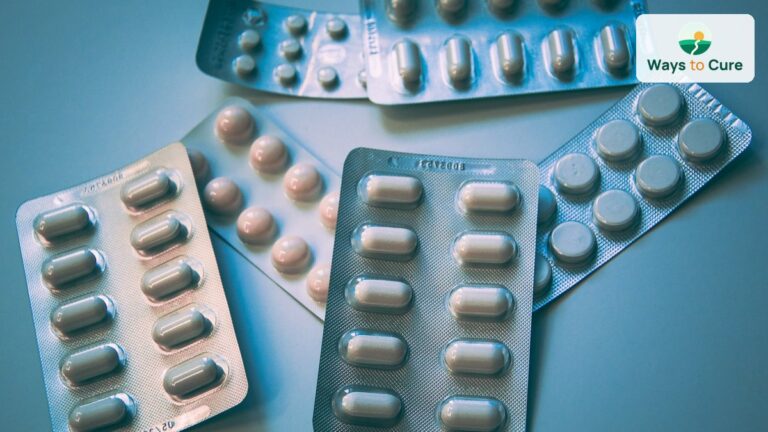
Yes, tuberculosis (TB) can be cured. Most people recover completely when they take the right medicines every day for the full course, which is usually about six months for ordinary TB, and in India the tests and medicines are free at government health centres.
What doesn’t cure TB is turmeric milk, garlic, kadha, herbal powders or any other home remedy. Below you’ll find the symptoms that should send you for a test, the tests you’ll be offered, how treatment works, the government support you can claim, and how to keep your family safe while you recover.
What TB is and how it spreads
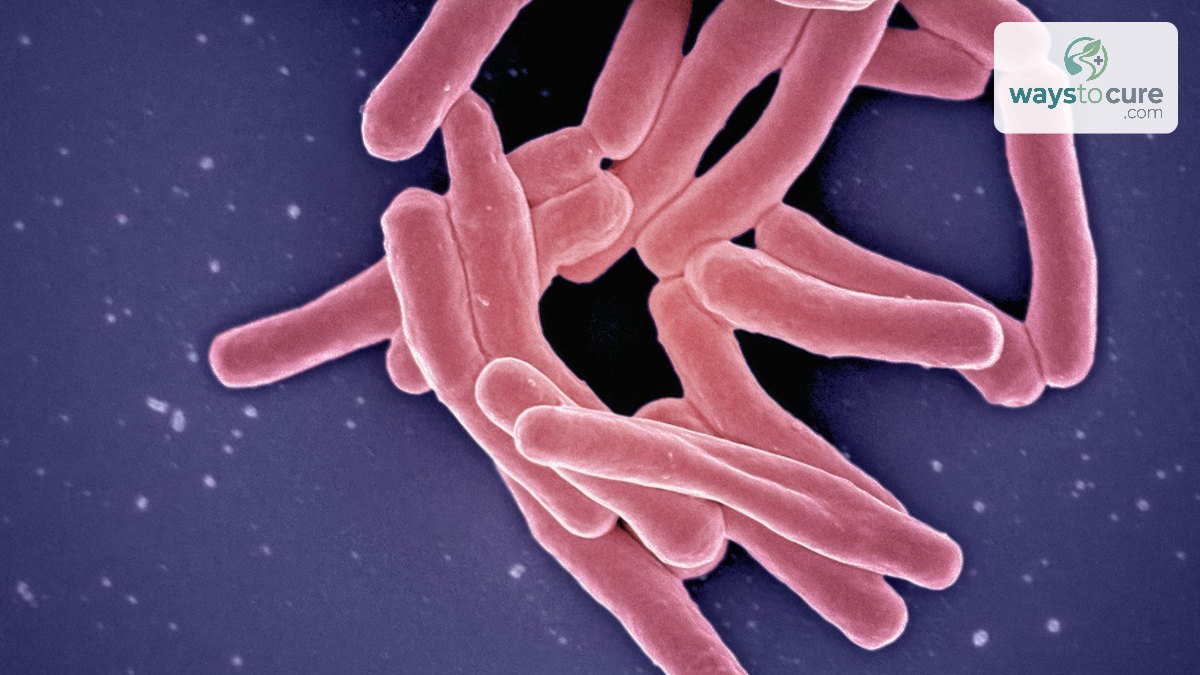
TB is caused by a bacterium, Mycobacterium tuberculosis, that most often attacks the lungs. According to the National TB Elimination Programme (NTEP) FAQ, it spreads when a person with active lung TB talks, sings, coughs or sneezes. It does not spread through handshakes, sharing food or casual contact.
India carries the biggest share of the problem. The World Health Organization estimates that India accounted for 25% of the world’s new TB cases in 2024. So a long cough here deserves a test, not another bottle of cough syrup.
TB symptoms: when a cough needs a test
NTEP lists these as the common signs of lung (pulmonary) TB:
- A cough that lasts two weeks or more, sometimes with phlegm or blood
- Fever
- Night sweats
- Weight loss you can’t explain
- Tiredness
WHO adds chest pain and weakness, and the NHS adds loss of appetite and feeling generally unwell. Children may simply fail to gain weight or grow as expected.
NTEP’s advice is simple: if you have any of these symptoms, go to a health centre and get tested. UK and US health services use three weeks as their cough cut-off, but India uses two, so don’t wait longer.
TB can also affect other parts of the body. The NHS lists swollen glands, swollen joints, body aches, stomach pain, headache and confusion among the possible signs when it has spread beyond the lungs. If you can’t tell a TB cough from flu, our guide to H1N1 early warning signs explains how a short viral illness usually behaves. A cough that drags past two weeks is not typical of flu.
Latent TB vs active TB
Many people carry TB bacteria without being ill. WHO estimates about a quarter of the world’s population has been infected, and about 5 to 10% of infected people eventually develop TB disease.
| Latent TB infection | Active TB disease | |
|---|---|---|
| Symptoms | None | Cough, fever, weight loss, night sweats and others |
| Can it spread to others? | No | Yes, if it’s in the lungs or throat |
| Can it change? | Can become active later | Gets worse without treatment |
| Usual treatment (NHS) | Antibiotics for about 3 to 6 months | Antibiotics for at least 6 months |
Tests for TB in India
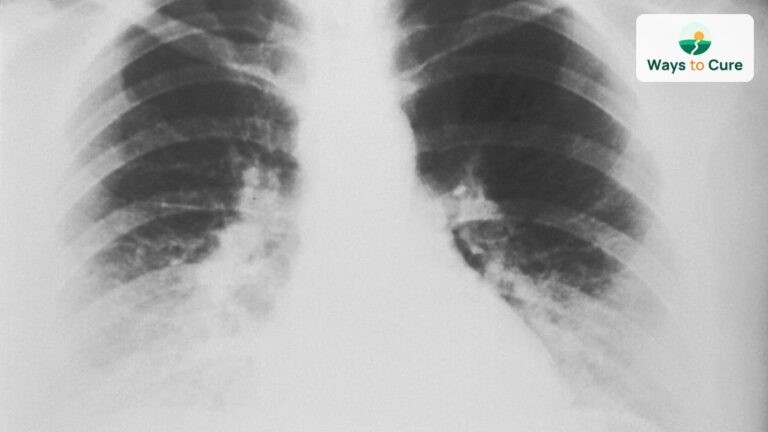
NTEP says lung TB is diagnosed through a sputum test and/or a chest X-ray, and that NAAT (nucleic acid amplification testing) is increasingly being used.
- Sputum NAAT (CBNAAT or Truenat). These molecular tests look for TB’s genetic material in the phlegm you cough up. India was the first country to use Truenat as an upfront test under NTEP, starting in 2020, and the test also checks for resistance to rifampicin, one of the main TB drugs (Frontiers in Public Health, 2023).
- Sputum smear microscopy. The older test, where the sample is examined under a microscope.
- Chest X-ray. Shows changes in the lungs that point towards TB and helps decide who needs further testing.
TB outside the lungs needs other tests, which your doctor will arrange. The Central TB Division says diagnosis and treatment for TB are free at all government health facilities.
How TB treatment works
For drug-sensitive TB, NTEP says treatment generally runs for 6 to 9 months, and WHO describes daily medicines for 4 to 6 months. Your doctor will tell you the exact plan. A few rules matter more than anything else:
- Take every dose. You may feel better long before the course ends. That doesn’t mean the bacteria are gone.
- Never stop early. NTEP warns that incomplete treatment can lead to drug resistance, and the NHS says stopping early can let TB come back.
- Report side effects instead of quitting. If the tablets upset you, tell your treatment provider. Don’t stop on your own.
Drug-resistant TB happens when the bacteria no longer respond to the usual medicines. It is still treatable, but it needs specialist care. Since 2022, WHO has prioritised a six-month, all-oral regimen (called BPaLM or BPaL) for multidrug-resistant TB. The catch is access: WHO says only about 2 in 5 people with MDR-TB got treatment in 2024, which is one more reason to finish your first course properly.
NTEP says treatment is free at government centres and at identified private and NGO centres. If you’re treated privately, make sure your doctor notifies your case so you can use the support below.
Free support: Ni-kshay Poshan Yojana and the TB helpline
Under Ni-kshay Poshan Yojana, the government gives TB patients money towards food. According to the National Health Mission, Uttarakhand, the amount is ₹1,000 per month from 1 November 2024 (it was ₹500 earlier), paid for as long as you’re on treatment. You must be registered or notified on the Ni-kshay portal. Some older government pages still show ₹500, so confirm the current amount and how to enrol at your TB treatment centre.
For questions about testing, treatment or the scheme, call the national TB helpline, Nikshay Sampark: 1800-11-6666.
Food and TB: it helps recovery, it doesn’t replace medicine
TB often causes weight loss, and eating well helps your body rebuild. NTEP advises a nutritious, balanced diet and suggests cereals, pulses, oil, sugar, eggs and fish. In an Indian kitchen that might mean dal with rice or roti, an egg or two a day if you eat them, and fish where it’s part of your diet. If you need easy protein ideas, see our list of cheap high-protein foods.
But be clear about the limits. No food, juice, herb or kadha kills TB bacteria. Home remedies can’t cure TB, and swapping your tablets for them gives the bacteria time to spread and become resistant.
Protecting your family at home
TB spreads mainly to people you share air with for long periods, such as those living in your home. The CDC and NTEP suggest these steps while you’re infectious:
- Take all your medicines exactly as prescribed
- Stay home from work or school until your doctor says it’s safe to go back
- Sleep in a separate room if you can
- Keep windows open; a fan placed in a window helps pull in fresh air
- Cover your mouth and nose with a tissue when you cough, sneeze or laugh
- Wear a mask around others (NTEP says masks can cut transmission)
Tell your doctor who lives with you. Anyone at home who develops a cough, fever or weight loss should get tested too.
Does the BCG vaccine prevent TB?
The Indian Academy of Pediatrics immunisation schedule lists BCG at birth, given to all newborns before they leave hospital. WHO says BCG prevents deaths from TB and protects children from serious forms of the disease. It doesn’t stop every case, though, so a vaccinated adult with symptoms still needs testing.
When to see a doctor
Go to your nearest government health centre or a doctor for a TB test if you have:
- A cough lasting two weeks or more
- Fever, night sweats or weight loss without a clear reason
- Close contact with someone who has TB, plus any symptoms
Call 112 or go to hospital straight away if you cough up more than a streak of blood, are struggling to breathe, have severe chest pain, or become confused or very drowsy. Chest pain has many causes; our guide on telling gas pain from a heart attack covers the signs that can’t wait.
If you’re already on treatment, contact your treatment provider about side effects, missed doses or symptoms that come back.
Frequently asked questions
Is TB completely curable?
Yes. WHO describes TB as preventable and curable. Drug-sensitive TB is cured with a full course of medicines, and drug-resistant TB can also be treated, though it takes specialist care.
Can home remedies cure TB?
No. Good food helps you regain strength, but only TB medicines kill the bacteria. Using remedies in place of tablets lets the disease progress and spread.
Is TB treatment free in India?
Yes. Testing and treatment are free at government health facilities, and NTEP says treatment is also free at identified private and NGO centres.
When can I go back to work?
Only when your doctor tells you it’s safe. That depends on how you respond to treatment, so there’s no fixed date that applies to everyone.
Can latent TB spread to my family?
No. People with latent TB have no symptoms and can’t pass it on. It can become active later, which is why doctors sometimes treat it.
This article is for general information and is not a substitute for advice from a doctor. If you have symptoms or a health condition, please consult a qualified healthcare professional.